


Think your gut picks beat rankings every week?
You probably lose more than you think.
Weekly fantasy rankings aren’t just lists. They’re decision tools.
They fold matchup math, injury news, and usage trends into one view.
Use tiers to spot who to start, who to bench, and who can boom.
This piece shows how to turn rankings into quick start/sit calls that win weeks.
Read on and you’ll learn the simple checks and timing that turn noisy advice into lineup clarity.
Applying Weekly Fantasy Rankings Directly to Start/Sit Decisions

Weekly fantasy rankings give you a baseline for every position by sorting players into production bands you can actually use. Each set reflects expert takes, matchup difficulty, recent usage, and who’s hurt. When your roster calls get tight, these rankings show you which guys deserve your starting spots and which ones should stay benched.
Tier labels make things simpler by grouping players who project about the same. A running back ranked 18th and one ranked 22nd might both land in the “RB2” bucket, meaning both are startable in 12-team leagues. Matchup trouble, injury tags, and usage swings move players between tiers all week long. A back facing the league’s best run defense might drop from “start if you need him” to “sit,” while a tight end going indoors against a secondary missing its starting safety climbs into “lock him in” range.
Matchup info, red zone chances, and snap counts change ranking spots in real time. A receiver might start the week ranked 24th, but if the cornerback covering him lands on the injury report and his quarterback gets upgraded to healthy, that guy can jump into the top 20 by Sunday morning. Weekly rankings catch these moves and give you a decision tool that responds to fresh information.
Review weekly tiers: Figure out which bucket each roster player sits in—must start, borderline, or bench.
Adjust for matchup: Check how defenses rank against each position and find spots you can attack.
Evaluate injury tags: Look at practice reports (DNP, limited, full) to confirm who’s playing and how much work they’ll handle.
Compare projections: Use side by side tools to break ties between guys ranked close together.
Check recent usage: Pull up the last two weeks of snap share, target volume, and red zone touches to see which way the trend’s moving.
Make your call: Lock it in at least 60 minutes before kickoff so you’ve got room for late news.
Using Position-Specific Weekly Fantasy Rankings for Start/Sit Choices

Quarterback rankings factor in projected game totals, offensive line health, and whether the pass catchers are available. A quarterback ranked inside the top 12 usually starts in single QB formats, but you’ve got to confirm the offensive line isn’t missing both starting tackles and the top two receivers are active. If a quarterback’s lead receiver gets ruled out, that signal caller can slide down five spots even when the game total stays high. Aaron Rodgers slipped from QB8 to QB13 when Davante Adams sat, cutting his weekly floor by 30 yards and a score.
Running back rankings lean hard on snap share, touch volume, and whether the opponent makes offenses run or throw. A back ranked 15th who plays 65 percent of snaps and faces a defense allowing 4.8 yards per carry is a confident start. A back ranked 18th on a team expected to trail by two scores faces a pass funnel defense, which means his projected touches drop from 18 to 11. That player moves from flex worthy to bench.
Wide receiver rankings depend on target share, route participation, and cornerback matchup trouble. A receiver ranked 28th who runs 85 percent of his team’s routes and draws a slot corner allowing a 75 percent catch rate becomes a weekly start. A receiver ranked 22nd shadowed by the opponent’s top corner and seeing only 60 percent route participation moves to the bench. Quarterback caliber matters too. Receivers paired with elite signal callers keep their ranking even in tough matchups because volume and red zone looks prop up the floor.
Tight end rankings prioritize red zone usage, how opposing linebackers and safeties cover, and whether the team’s wide receivers are healthy. A tight end ranked 10th who leads his team in end zone targets and faces a defense allowing 15 fantasy points per game to the position is a lock. If that same tight end’s top two receivers return from injury, his target share drops by 20 percent and his ranking slides to 14th, making him borderline in shallow formats.
| Position | Key Start/Sit Metric |
|---|---|
| QB | Projected game total, pass catcher health, offensive line status |
| RB | Snap share, touch volume, run/pass funnel matchup |
| WR | Target share, route participation, CB matchup grade |
| TE | Red zone usage, opposing LB/S coverage, missing WRs |
| K | Indoor/outdoor, projected game script, team red zone efficiency |
| DST | Opponent turnover rate, sack rate allowed, offensive line injuries |
Integrating Tier-Based Rankings Into a Reliable Start/Sit Strategy

Tier labels tell you expected weekly production ranges and help you set clear start thresholds for each format size. In a 12-team league, any player ranked inside the top 24 at running back or wide receiver usually lands in the “start if needed” tier, while guys ranked outside the top 30 fall into “bench unless desperate.” Tier 1 holds “must start” players who belong in every lineup, Tier 2 is “start in most matchups,” and Tier 3 covers “flex worthy in good spots.” Players outside Tier 3 should sit unless injury or bye weeks force your hand. A running back ranked 34th falls into Tier 4, telling you he’s only startable if multiple starters get ruled out.
Volatility, projection confidence, and matchup impact drive weekly tier movement. A wide receiver who averages 12 targets per game but faces the league’s top pass defense might stay in Tier 2 because volume gives him a safe floor. A receiver averaging 6 targets who draws a secondary allowing 300 passing yards per game climbs into Tier 2 because upside beats his usual role. Projection confidence shrinks when injury tags appear. If a quarterback is listed as questionable Friday and doesn’t practice fully, his tier drops even when his raw ranking stays put.
Use tiers to pick between floor and ceiling depending on your roster strength and matchup. If you’re a heavy favorite and need 10 points to win, start the Tier 2 running back with consistent snap share over the Tier 3 receiver with boom potential. If you’re an underdog needing 25 points from your flex spot, start the Tier 3 receiver facing a backup corner. His ceiling justifies the risk even though his ranking is three spots lower.
Matchup-Based Weekly Fantasy Rankings and Their Effect on Start/Sit Calls

Matchup difficulty moves ranked players across tiers because opponent defensive tendencies create structural advantages or traps. A tight end ranked 12th who faces a defense allowing 12 fantasy points per game to the position jumps into Tier 2, while a tight end ranked 9th facing a unit surrendering only 5 points to tight ends drops into Tier 3. Defense vs. position stats reveal these edges. If a team allows 140 rushing yards per game and ranks 28th in run defense DVOA, running backs ranked 18th through 24th become weekly starts against them.
Fantasy points allowed by position is the fastest signal for spotting start worthy matchups. A defense that’s given up 25 points per game to wide receivers over the past four weeks turns borderline WR3s into confident starts. A defense allowing only 8 points per game to running backs over that same stretch demotes even top 15 backs to “proceed with caution.” Historical matchup data helps too. If a quarterback has faced a defense twice in the past two seasons and averaged 18 fantasy points in both games, that pattern supports a start call even when his season long ranking is middling.
Weather, pace, and game script change projections in ways raw rankings can’t capture. A wide receiver ranked 20th playing outdoors in 30 mph wind slides to 28th because deep targets disappear and the offense leans on short throws and runs. A running back ranked 16th whose team is a 10-point underdog drops to 22nd because negative game script limits his touches to 12. Pace matters too. Offenses that run 70 plays per game create more chances than those running 58, lifting every skill player’s weekly floor.
Opponent defensive ranking: Overall and positional grades (5th vs RB, 22nd vs WR).
Fantasy points allowed: Weekly and four week rolling averages by position.
Coverage grade: Secondary pass coverage metrics and cornerback matchup ratings.
Pass/run rate allowed: Percentage of plays the defense allows in each category and yards per attempt.
Red zone defense: Touchdown rate allowed inside the 20 yard line and goal line stand frequency.
Injury Reports and Weekly Fantasy Rankings for Start/Sit Decisions

Injury updates roll out all week, starting with Wednesday’s practice participation report and ending with official inactive lists released 90 minutes before kickoff. A player listed as DNP (did not practice) on Wednesday is a yellow flag. If he stays DNP Thursday and Friday, his ranking drops two tiers because the odds of him playing at full capacity fall below 50 percent. A player who goes from limited Wednesday to full Friday stays in his original tier because full participation tells you he’s cleared for normal workload. A wide receiver went from limited Wednesday to full Friday and kept his WR18 ranking, confirming he’s startable.
Late week tags like “questionable” and “doubtful” carry different weights. Questionable means the player has a real chance to suit up, but his snap share and role might shrink. If a running back is questionable with a knee issue and typically plays 70 percent of snaps, expect 50 percent if he’s active. Doubtful means the player’s unlikely to play, and his ranking should be treated as if he’s out. If a player gets officially ruled out, his backup immediately climbs into the rankings, sometimes jumping 15 to 20 spots if the backup inherits a three down role.
Questionable (Q): Player has a 50 to 75 percent chance to play, reduce projected workload by 20 to 30 percent and drop him one tier unless confirmed active pregame.
Doubtful (D): Player has less than 25 percent chance to play, treat as inactive and move him to bench, start his backup if the backup is ranked.
Out: Player will not play, remove from all lineups and activate the next best option from your bench or waiver wire.
Limited practice: Player participated but at reduced capacity, monitor Friday’s report. If he upgrades to full, confidence returns. If he stays limited, consider pivoting to a safer option ranked slightly lower.
Comparing Similarly Ranked Players to Finalize Start/Sit Choices
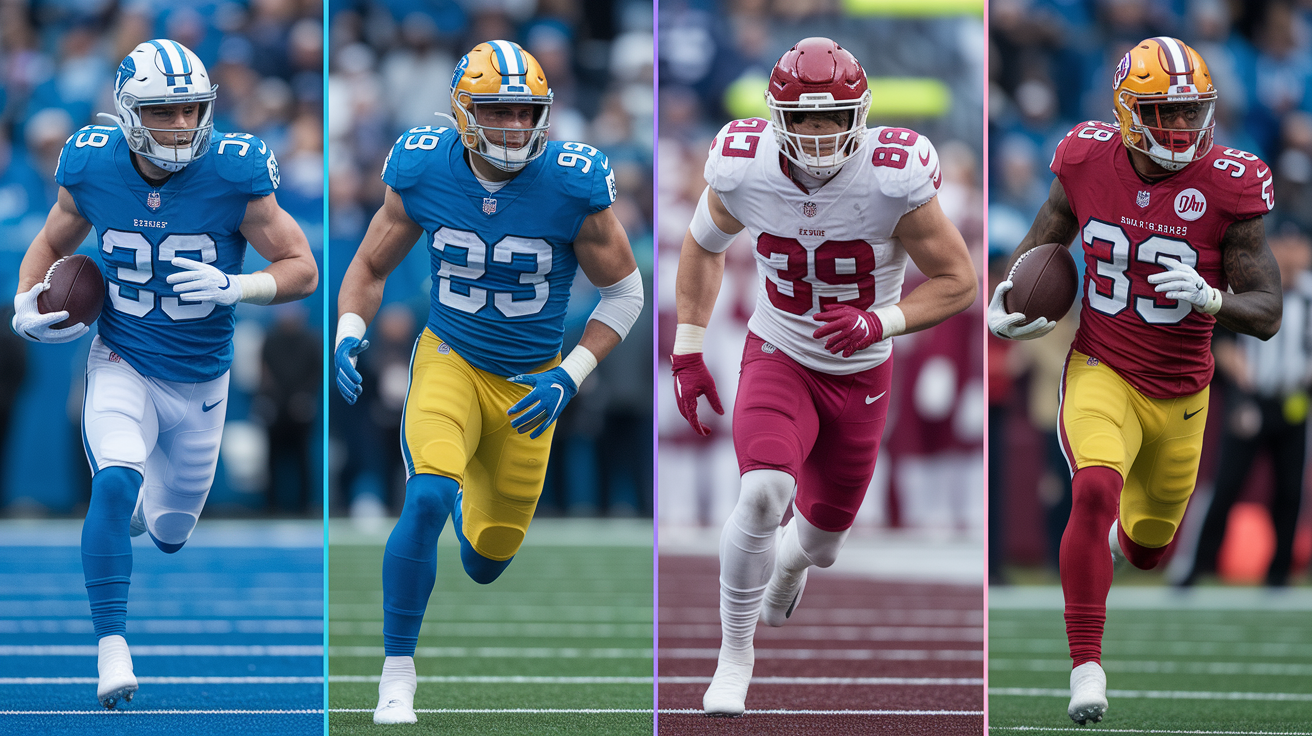
Direct comparison tools let you evaluate up to four players side by side, breaking ties when weekly rankings place them within a few spots of each other. A running back ranked 19th and another ranked 21st might look identical in a standard list, but a comparison view shows the 21st ranked back has a higher projection (14.2 points vs. 13.8), a better matchup grade (opponent allows 22 fantasy points per game to RBs vs. 18), and 10 percent more snaps over the past two weeks. That 21st ranked back becomes the start.
Projection differences of two points or more should override raw ranking order. If a wide receiver ranked 26th projects for 13.5 points and a receiver ranked 23rd projects for 11.8, the lower ranked player offers more upside and should occupy your flex spot. Matchup grade, snap share, and red zone usage work as tiebreakers when projections are within one point. If both players project for 12 points but one plays 80 percent of snaps and the other 65 percent, start the higher snap player because his floor is safer.
Route participation and red zone role separate ceiling plays from floor plays. A receiver who runs 90 percent of his team’s routes but has zero red zone targets in three weeks is a floor option. He’ll catch six passes for 70 yards but won’t score. A receiver who runs 70 percent of routes but commands 40 percent of red zone looks is a ceiling play. He might catch three passes for 45 yards and a touchdown. If you need upside, start the red zone option even when his ranking is three spots lower.
| Metric | Use Case |
|---|---|
| Projection difference | Use when two players are ranked within 3 spots, start the higher projection if the gap exceeds 1.5 points |
| Matchup grade | Favor the player facing a defense ranked bottom 10 vs. his position, even if his ranking is slightly lower |
| Snap share | Start the player with 70%+ snaps over one below 60% when projections are within 1 point |
| Red zone usage | Choose the player with 3+ red zone touches per game if you need touchdown upside to win your matchup |
Flex and Multi-Position Start/Sit Decisions Using Weekly Fantasy Rankings

FLEX rankings use matchup adjusted projections and weigh target or touch volume more heavily than efficiency metrics. A wide receiver averaging 9 targets per game but only 11 yards per reception ranks higher in FLEX than a receiver averaging 5 targets and 16 yards per reception because volume creates a safer floor. Game script amps this up. If the receiver’s team is a 7-point underdog, expect passing volume to climb, pushing that 9 target receiver into confident FLEX territory even when his season long ranking is outside the top 30.
Red zone opportunity becomes the deciding factor when you’re comparing a running back and a wide receiver for the FLEX spot. A running back ranked 24th who has scored in three straight games and averages 4 red zone touches per week offers more touchdown upside than a wide receiver ranked 22nd who hasn’t seen the end zone in five weeks. If your roster is strong at other positions and you need a safe 10 points, start the receiver. If you’re chasing upside to cover a weak quarterback, start the back.
Volume threshold: Favor players with 15+ touches (RB) or 7+ targets (WR) over higher ranked options with inconsistent opportunity.
Game script: Start pass catchers when their team is an underdog, start running backs when their team is favored by 6+ points.
Red zone role: Prioritize players with 3+ red zone touches or targets per game when ceiling matters more than floor.
Matchup grade: If one FLEX candidate faces a bottom 5 defense vs. position and the other faces top 10, start the favorable matchup even if ranked lower.
Recent usage trend: A player whose snap share has climbed 10+ percentage points over two weeks is safer than one whose share has dropped, regardless of ranking proximity.
Streaming Defenses and Kickers Using Weekly Fantasy Rankings

Defense and special teams rankings update weekly to reflect opponent matchup, turnover tendencies, and injury situations. A defense ranked 18th on the season can jump to a top 5 play if it faces a quarterback making his first career start or an offensive line missing three starters. Opponent turnover rate is the single best predictor of weekly fantasy points for defenses. If a team has thrown multiple interceptions in three of the past four games, any defense facing them becomes a streamer. Pressure and blitz rate matter too. A defense that blitzes on 35 percent of dropbacks and faces a backup left tackle will generate sacks and hurries that lead to turnovers and fantasy points.
Kicker reliability depends on game script, indoor or outdoor venue, and the team’s red zone efficiency. A kicker ranked 15th who plays indoors and whose offense ranks top 10 in yards per drive becomes a weekly start because field goal attempts pile up even when the team struggles to punch in touchdowns. A kicker ranked 10th whose team plays outdoors in forecasted rain or wind drops outside the top 15 because accuracy falls and the offense might abandon long field goal tries. Streaming kickers weekly based on matchup and venue can add 3 to 5 points per week compared to holding a mid tier option all season.
Late-Swap Start/Sit Adjustments Based on Weekly Fantasy Rankings

Late swap strategy lines up with injury designations released 60 to 90 minutes before kickoff and last minute usage reports from beat writers. If a running back listed as questionable all week gets declared active at 11:30 a.m. for a 1 p.m. game, check his expected snap share. If the backup is also active and the team signals a committee, drop the questionable back one tier and start your next best bench option if he’s ranked higher. If the questionable player is confirmed as the lead back with no snap restriction, lock him into your lineup even when his ranking dipped slightly during the week.
Roster management during the late window requires keeping at least one flex eligible player on your bench whose game kicks off at 4 p.m. or later. If your 1 p.m. running back gets scratched at 12:50, you can pivot to the later option without losing the roster spot. This works best when your bench includes players ranked within five spots of each other. Having a wide receiver ranked 28th and a running back ranked 26th as late game options gives you insurance if your ranked 22 flex play gets ruled out.
Weather and venue updates released the morning of game day can force last minute pivots. If a game forecast shifts from clear to 25 mph sustained winds two hours before kickoff, wide receivers ranked 20th through 28th in that game drop to 30th through 35th, and you should swap to any running back or tight end ranked in the 20s who plays in a dome or calm conditions. Updated projections posted by major platforms 90 minutes before kickoff incorporate these changes, so refresh your rankings one final time before locking lineups.
Injury inactive announced less than 90 minutes before kickoff: Immediately swap to the next ranked player on your bench if his game hasn’t started.
Questionable player confirmed active with snap restriction: Drop him one tier and start the higher floor option unless you need ceiling.
Weather forecast worsens (rain/wind added within 3 hours of kickoff): Pivot away from wide receivers and favor running backs or tight ends in neutral conditions.
Beat writer usage report (e.g., “RB expected to split carries 50/50”): Bench the back if his ranking was based on a 70/30 workload and activate a safer option ranked 2 to 4 spots lower.
Using Weekly Rankings for Season-Long and Playoff Start/Sit Planning

Rest of season rankings incorporate strength of schedule over the next four to six weeks, helping you spot players whose favorable matchups line up with your fantasy playoff dates. A running back ranked 18th in weekly lists but 12th in rest of season rankings faces three bottom 10 run defenses in weeks 15 through 17, making him a priority start during the championship window. A wide receiver ranked 14th weekly but 22nd rest of season plays against three top 5 pass defenses in the playoffs, telling you to look for a replacement or pivot in those critical weeks.
Injury trends and snap share trajectory shift rankings as the season moves along. A tight end who started the year with 55 percent snap share and has climbed to 75 percent over the past month ranks higher rest of season than his current weekly position suggests because the trend points to continued growth. Conversely, a running back whose snap share has dropped from 70 percent to 50 percent over four weeks will fall in rest of season ranks even if his weekly number stays stable. The coaching staff is signaling reduced trust, and that pattern rarely reverses.
Two week start/sit planning lets you manage bye weeks and avoid roster crunches. If your top running back has a bye in week 14 and your second best back faces the league’s top run defense that same week, you need to acquire or stream a replacement by week 13. Weekly rankings show current value, but scanning the next two weeks of opponent matchups in advance prevents emergency lineup decisions that force you to start a player ranked outside the top 35.
| Planning Factor | Impact |
|---|---|
| Strength of schedule (weeks 15–17) | Prioritize players facing bottom 10 defenses in playoff weeks, move them up 3 to 5 ranking spots in advance |
| Injury trends | Players with recurring soft tissue issues (hamstring, calf) should drop one tier in rest of season ranks due to re-injury risk |
| Snap share trajectory | A player gaining 10+ percentage points in snaps over three weeks moves up two tiers, one losing 10+ drops two tiers |
| Red zone usage shifts | A running back who jumps from 2 to 5 red zone touches per game over four weeks becomes a weekly start regardless of current ranking |
Final Words
in the action, weekly fantasy rankings set the baseline for who you should start and who belongs on the bench. They turn raw projections into position-specific tiers you can actually use.
Then tweak those tiers for matchup difficulty, injury news, and recent usage. That’s the difference between a list and a lineup decision.
Follow the step-by-step checklist each week. With practice, start sit decisions using weekly fantasy rankings will be quicker and more consistent, and your lineups will show it on game day.
FAQ
Q: How should I apply weekly fantasy rankings directly to start/sit decisions?
A: You should apply weekly fantasy rankings as baseline guidance, then adjust for matchup, injuries, and usage trends before finalizing starts or sits, using tiers to speed borderline calls and reduce guesswork.
Q: What role do tiered rankings play in start/sit choices?
A: Tiered rankings group players by expected production, making must-start versus bench thresholds obvious and turning borderline decisions into simple “start if in higher tier” or “bench if not” calls.
Q: How do matchup-based rankings change who I should start?
A: Matchup-based rankings move players across tiers by opponent strength, coverage matchups, red-zone defense, weather, and projected game script, so a tough matchup can turn a start into a bench play.
Q: How do position-specific weekly rankings inform start/sit choices?
A: Position-specific rankings inform starts by highlighting key metrics: QBs on high totals; RBs with snap and touch volume; WRs with target share and route role; TEs with red-zone usage; K/DST on game script and matchup.
Q: How should I factor injuries and designations into start/sit decisions?
A: You should treat injury designations (full, limited, questionable, out) as modifiers to ranking confidence; late-week DNPs or limited practices lower expected snaps and often move players down a tier or to the bench.
Q: What metrics matter when comparing similarly ranked players?
A: When comparing close players, prioritize projection gap, matchup grade, snap-share trends, red-zone role, floor versus ceiling, and recent usage to break ties and pick the safest or highest-upside option.
Q: How do I decide FLEX starts using weekly rankings?
A: Decide FLEX starts by weighing volume (targets/touches) against efficiency trends, matchup-adjusted projections, game script risk, red-zone opportunity, and your roster needs for floor versus upside.
Q: How should I stream defenses and kickers with weekly rankings?
A: Stream defenses and kickers by using weekly rankings tied to opponent turnover rate, pressure/blitz metrics, defensive injuries, game script, and kicker conditions (indoor/outdoor, weather) to target favorable short-term matchups.
Q: When should I make late swaps before kickoff?
A: Make late swaps when new info arrives: injury designation changes, inactive reports, significant weather updates, or last-minute usage notes—these triggers often flip a start/sit decision within 60–90 minutes of kickoff.
Q: How can weekly rankings help with season-long and playoff planning?
A: Use weekly rankings for season planning by tracking rest-of-season rankings, strength of schedule, bye weeks, snap-share trajectories, and red-zone trends to stash handcuffs and plan optimal playoff-week lineups.
Q: What exact step-by-step process converts weekly rankings into a lineup decision?
A: Convert rankings into a decision by: review tiers; adjust for matchup; evaluate injury designation; compare projections; check recent usage; make the final call based on floor/ceiling and roster context.