


Think offside is a referee’s mystery designed to ruin goals?
It’s not.
It’s a fairness rule that rewards timing, not camping behind defenders.
In this guide we’ll strip it down to one clear idea: you’re judged the instant a teammate plays the ball versus the second-last opponent and the ball.
You’ll get simple rules on what counts (head, torso, feet), when offside doesn’t apply, and how active versus passive involvement matters.
Read on and you’ll spot true offside in games, not just argue about replays.
A Simple Breakdown of the Offside Rule for Complete Beginners

You’re offside if you’re closer to the opponent’s goal line than both the ball and the second-last opponent when the ball gets played. That’s it. The offside rule stops attackers from camping next to the goal waiting for long balls. It’s basically a fairness thing that rewards smart timing instead of lazy positioning.
Picture a lunch line. If you step past the second-to-last person before your friend hands you a tray, you’ve cut in line. That’s offside in soccer. The attacking player has to stay behind an invisible line created by the second-last defender (usually one field player plus the keeper) when their teammate plays the ball forward. Drift past that line too early and the ref blows the whistle.
But here’s the catch. Being in an offside position doesn’t automatically mean you’ve done something wrong. You have to get involved in active play to earn the whistle. You can stand offside all day if you don’t touch the ball, block a defender, or grab an advantage from that spot.
You’re considered involved in three ways:
- You receive or play the ball that a teammate passed or touched.
- You prevent a defender from playing the ball by blocking their view or challenging them.
- You play a ball that bounces off the post, bar, or an opponent, or you’re in a position that clearly benefits from being offside.
Understanding Offside Position and the Second-Last Opponent
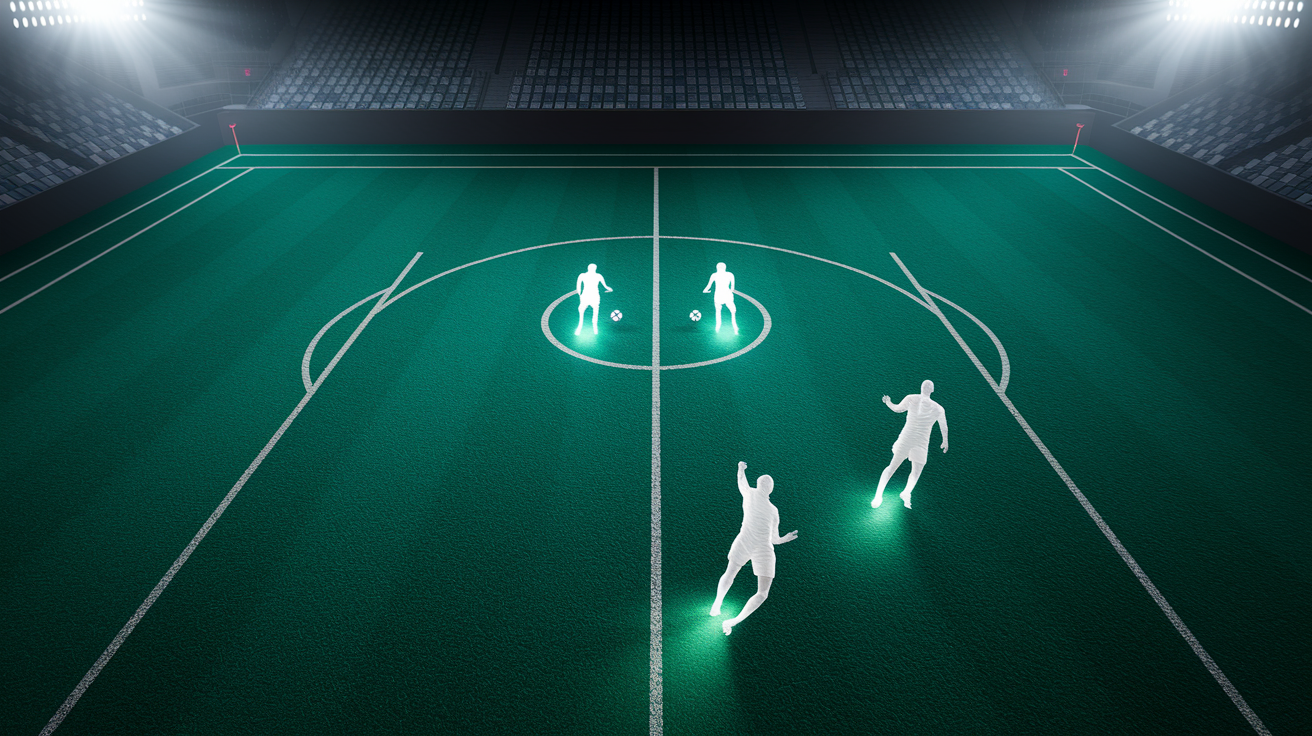
The second-last opponent usually means the keeper and one outfield defender. On most attacks, the keeper is the last person back and one center-back or fullback is second-last. Count those two and you’ve got your offside line. If the keeper has wandered upfield, you count the two deepest defenders instead. People talk about the “last defender,” but the law always measures against the second-last opponent.
Level equals onside. When any part of your head, body, or feet lines up with the second-last opponent, you’re onside. Arms don’t count because you can’t legally play the ball with your hands. Even a fraction behind that invisible line and you’re safe. Being behind the ball also keeps you onside, no matter how many defenders are ahead. If your teammate passes backward or sideways and you receive it while behind the ball’s position at the pass, you can’t be offside.
| Concept | Explanation |
|---|---|
| Second-last opponent | The two deepest opposition players (often keeper plus one defender). You’ve got to stay behind or level with the second of those two |
| Level | Any part of head, body, or feet lined up with the second-last opponent means you’re onside |
| Body parts that count | Head, torso, feet. Arms are out because you can’t legally play the ball with them |
| Behind the ball | If you’re behind the ball when it’s played, you’re always onside regardless of where defenders are |
How Offside Works at the Exact Moment the Ball Is Played

Offside gets judged the instant the ball is played by a teammate, not when you receive it. A forward can be level with the last defender when the pass leaves the passer’s foot, then sprint five yards past the defense to collect it and still be onside. Refs freeze the mental picture at that split second of contact. VAR reviews use single-frame analysis to nail down the exact moment the ball moves forward.
A backward or sideways pass can’t create offside. If your teammate plays the ball parallel to the goal line or toward their own goal, you’re free to receive it from anywhere. Only forward passes or touches trigger the offside test. This keeps the game fluid and rewards creative passing that doesn’t rely on beating the line.
Here’s why timing is brutal to judge live. Players move fast, the ball travels faster, and the assistant ref has to watch two points at once: the passer’s foot and your position. A tenth of a second makes the difference between onside and offside. That’s why tight calls spark arguments and why semi-automated systems showed up at major tournaments.
Quick four-step timing check:
- Watch the passer’s foot or head to spot the exact instant of contact.
- Freeze your mental image of all attackers’ positions right then.
- Check whether the ball is moving forward (if not, offside doesn’t apply).
- Compare the attacker’s position to the second-last opponent and the ball’s location in that frozen moment.
Offside Offence Explained with Active vs Passive Involvement
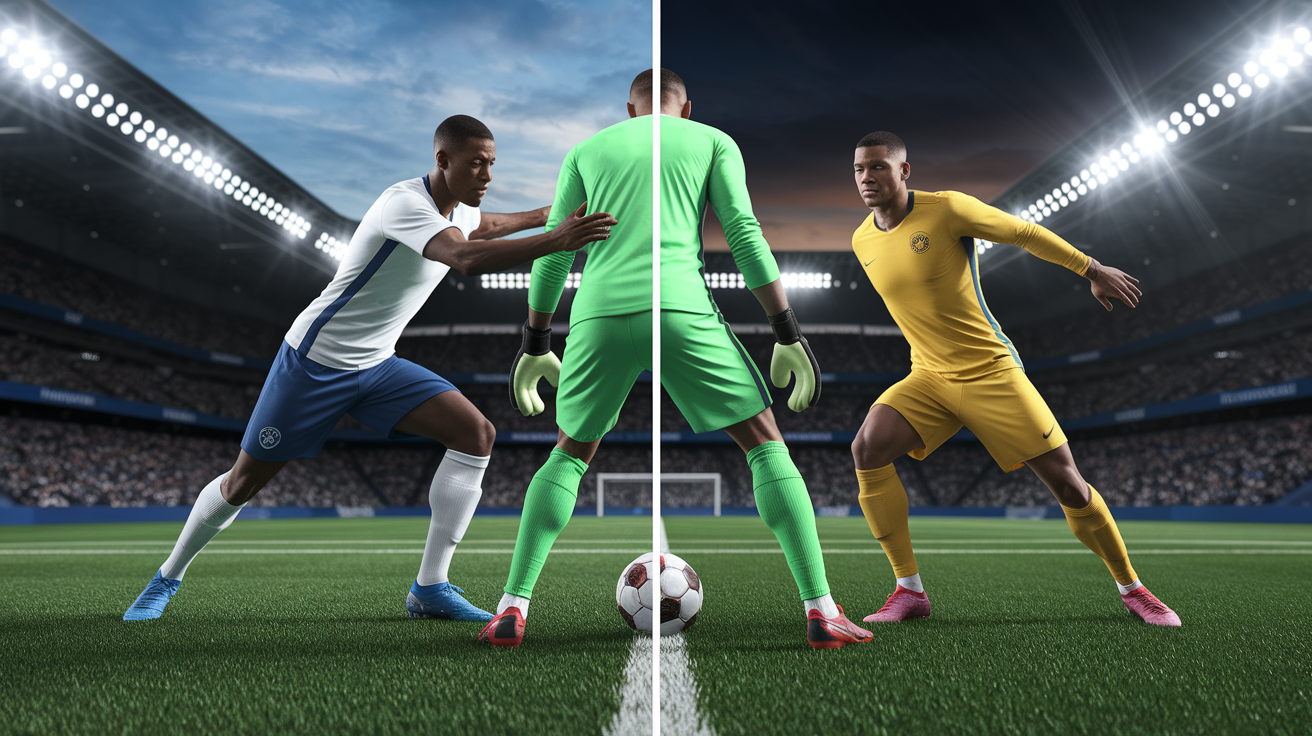
Standing in an offside position only becomes a problem when you take part in active play. A forward who drifts offside but never touches the ball, never blocks a defender’s view, and never makes the keeper react has committed passive offside and shouldn’t get penalized. Refs let play continue until the offside player gets involved, then blow the whistle and award a free kick to the defending team. You influenced the outcome while in that illegal spot? That’s when it matters.
Interfering with an opponent goes beyond touching the ball. If you’re standing offside directly in the keeper’s line of sight as a shot comes in, that’s interference even if you never touch it. If you make a movement that causes a defender to hesitate or change direction, that can count as involvement too. Gaining an advantage covers situations where the ball bounces off a post or deflects off a defender and falls to you after you were offside on the initial pass or shot.
Active Involvement
Active involvement happens when you receive the ball, touch it, or play it in any way. It also includes blocking, challenging, or distracting an opponent who’s trying to play the ball. Making a gesture or movement that tricks a defender counts if the ref judges it clearly affected play. Playing or trying to play a ball that comes to you after bouncing off the goalframe or an opponent qualifies as gaining an advantage from the offside position.
Passive Offside
Passive offside creates legal scenarios where you’re offside but doing nothing wrong. Example one: a forward stands three yards offside at the far post while their teammate shoots. The ball flies into the near corner without the offside player touching it, seeing it, or affecting the keeper’s movement. Goal stands because the offside attacker was passive. Example two: two attackers make runs and one is offside. The passer plays the ball to the onside runner, who scores. The offside runner never touched it and didn’t interfere with any defender, so the goal counts and the offside position doesn’t matter.
Exceptions to the Offside Rule Every Beginner Should Know
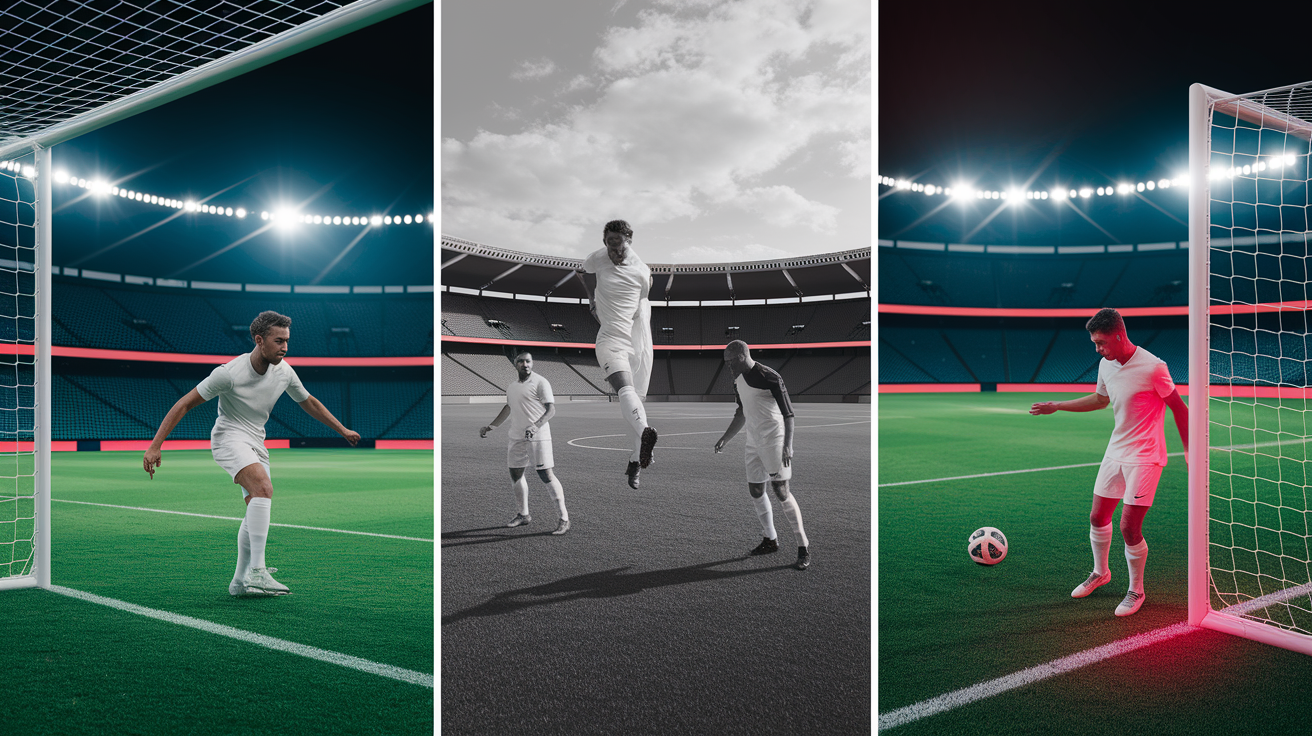
Certain restarts and field positions wipe out any offside possibility. You can’t be offside directly from a goal kick, even if you’re standing next to the opponent’s goal when the keeper launches it. Same for throw-ins and corner kicks. These three set pieces get exceptions because the defending team has time to organize and the restart happens from a controlled, stationary spot.
You also can’t be offside in your own half of the field. The halfway line is a boundary. If any part of your body is on or behind that line when the ball is played, you’re automatically onside no matter where the defenders are. This rule lets defenders and midfielders receive passes without worrying about offside and keeps build-up play moving.
Quick exception list worth memorizing:
- No offside from a goal kick, even if you’re ahead of all defenders when the keeper boots it.
- No offside from a throw-in, so you can position yourself anywhere along the touchline.
- No offside from a corner kick, meaning forwards can legally stand on the goal line.
Simple Offside Scenarios and Beginner-Friendly Examples
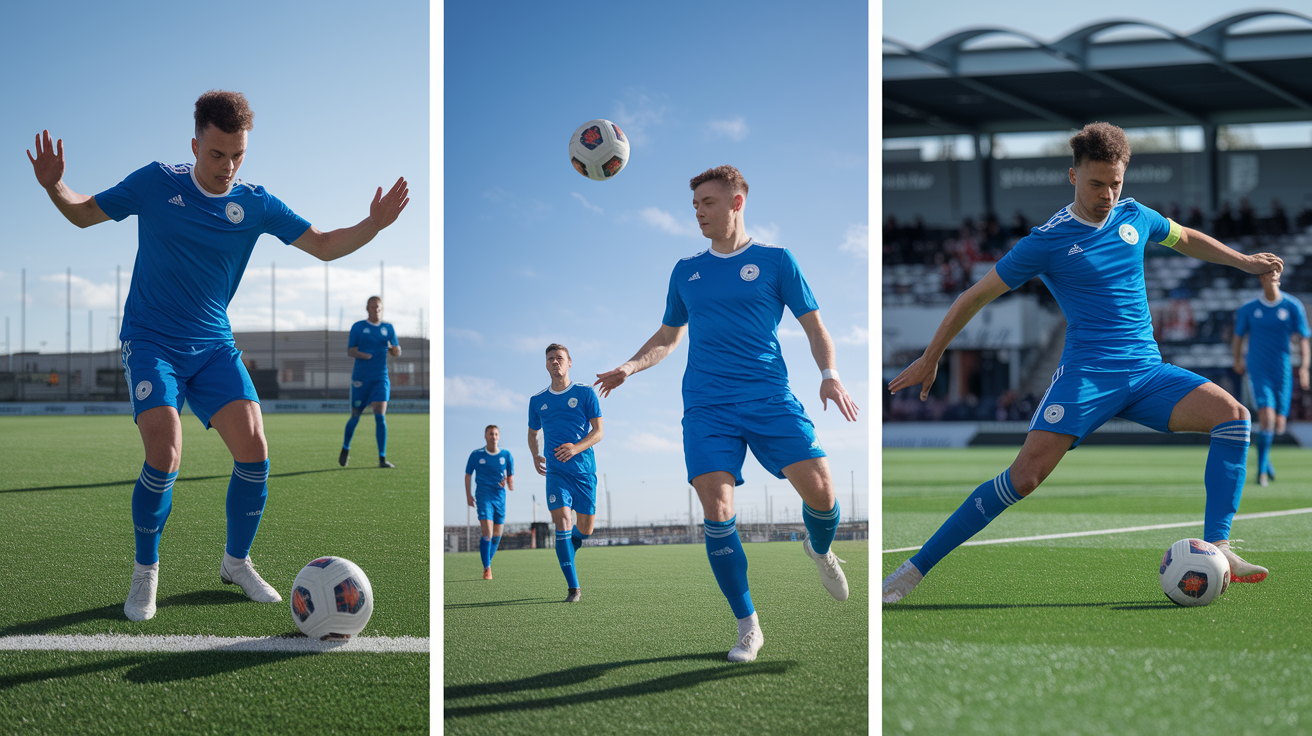
Worked examples beat definitions every time. Simple scenario: a striker receives a through ball in the 34th minute while level with the last defender at the moment the pass is played. The striker runs onto it, beats the keeper, scores. The assistant ref keeps the flag down because level equals onside. Goal allowed. That single situation shows how timing and positioning combine.
Second case at the 47th minute: a midfielder lobs the ball over the defense. The striker is two yards past the second-last opponent when the ball leaves the midfielder’s foot. Even though the keeper rushes out and the striker would have been level by the time the ball arrives, offside gets called at the moment of the pass. Goal disallowed, defending team gets a free kick. Movement after the pass doesn’t matter.
Third example involves a winger who runs from deep in their own half. When the ball is played forward, the winger is still behind the halfway line. The winger sprints past every defender and collects the ball in the penalty area. No offside because the winger was in their own half when the pass was made. Where you end up doesn’t matter if you started legal.
Pro matches often include tight calls that need multiple replays. In one famous case, a forward was ruled offside by a shoulder width. VAR freeze-frame tech confirmed it, but fans argued whether such tiny margins should overturn goals. The law doesn’t care about proximity. One centimeter offside is still offside if you get involved.
| Scenario | Minute | Key Detail | Outcome |
|---|---|---|---|
| Striker level with second-last defender | 34′ | Level at moment of pass | Onside, goal allowed |
| Lob over defense, striker ahead | 47′ | Two yards past second-last opponent when ball played | Offside, free kick awarded |
| Winger runs from own half | 23′ | Behind halfway line at pass | Onside, goal allowed |
| Attacker behind the ball | 66′ | Receiver positioned behind ball when pass played | Onside, legal play |
| Late run timed perfectly | 83′ | Attacker accelerates and is level at exact moment of pass | Onside, goal allowed |
| Offside by shoulder width | 12′ | Marginal offside confirmed by VAR | Offside, goal disallowed |
Referees, Assistant Referees, and VAR: How Offside Is Actually Decided

The assistant ref runs along the touchline and keeps level with the second-last defender. When a forward pass is played, they judge whether any attacker is ahead of that line and whether they get involved. If offside is obvious, the flag goes up right away. If the call is tight and the attacker might score, many officials delay the flag until the play finishes, then signal if the attacker was offside. This delayed protocol cuts down on stopping legal goals by mistake.
VAR uses calibrated cameras and freeze-frame tech to examine tight calls. The video assistant picks the exact frame when the ball leaves the passer’s foot, then draws lines on the screen to compare attacker and defender positions. Semi-automated offside systems at tournaments like the World Cup use limb-tracking sensors in the ball and on players’ bodies, delivering a decision in seconds. These systems reduce human error on marginal calls but still apply the same Law 11 rules.
Real-time decisions depend on angle, distance, and speed. An assistant ref 40 yards away might misjudge a tight call by a step. Crowded penalty boxes and fast counters make the job harder. Communication between the center ref and assistants is constant, and final calls rest with the ref if doubt exists. Tight offsides remain the most scrutinized moments in soccer because a single centimeter can flip match results.
| Decision Method | How It Works | Accuracy Level |
|---|---|---|
| Assistant referee (human) | Runs the line, watches second-last defender and attackers, raises flag if offside and involved | High in clear cases. Margin of error grows with speed and distance |
| VAR review | Video assistant selects exact frame of pass, draws calibration lines, confirms or overturns on-field call | Very high. Can measure centimeter differences |
| Semi-automated offside | Ball sensor plus player limb tracking. AI generates instant offside line and alerts ref within seconds | Extremely high. Removes subjectivity from line-drawing |
Tips for Attackers and Defenders to Avoid or Use Offside
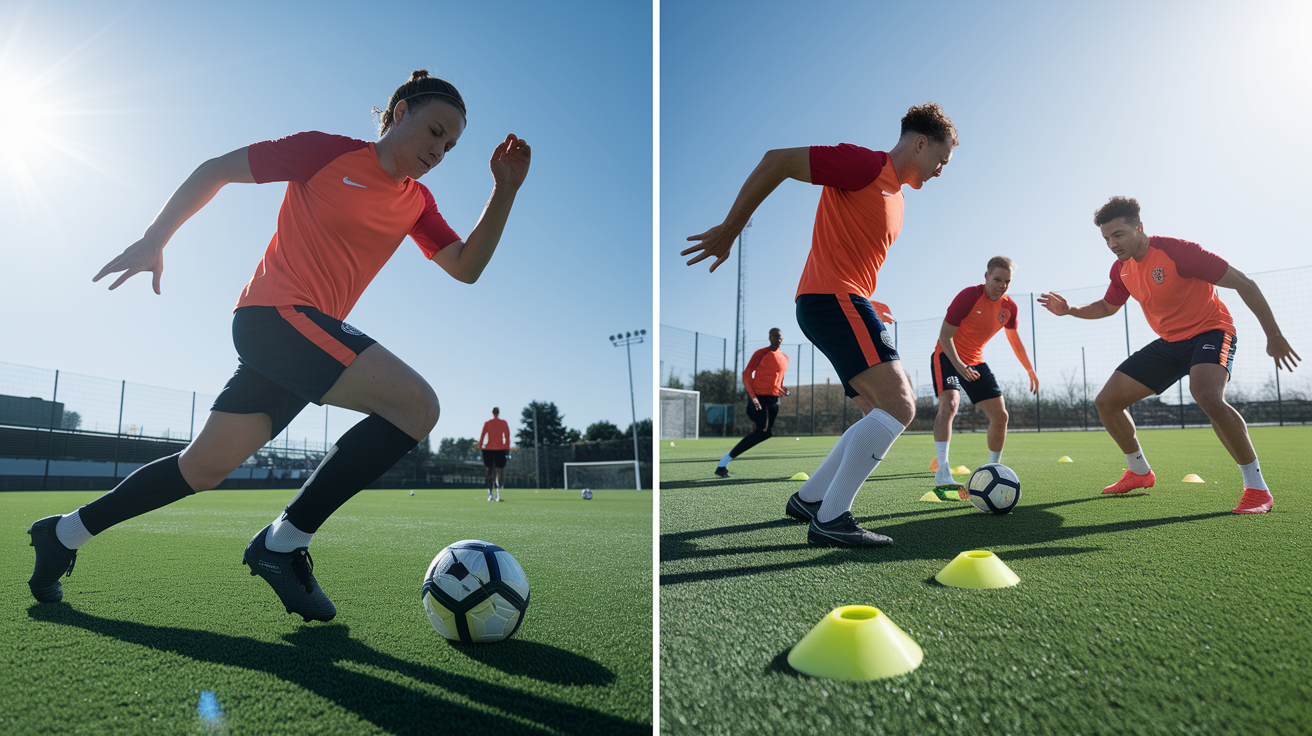
Attackers should time runs to match when the ball is played, not when they think it’ll arrive. Watching the passer’s body shape gives clues about when the pass will come. Starting the run a fraction late is safer than early, because even a toe ahead of the line creates an offside position. Checking over your shoulder every few seconds keeps you aware of where the second-last defender is and helps you adjust your depth.
Defenders use the offside trap to catch attackers out of position. The defensive line steps up together just before the opponent plays the ball forward, leaving attackers stranded offside. Pulling off the trap requires discipline, communication, and perfect timing. If one defender fails to step, the line breaks and attackers stay onside. You need a designated caller (often the keeper or deepest center-back) who shouts “Step!” or “Push!” to sync the move.
Staying onside involves making curved or angled runs that keep you level until the last moment, then accelerating past the defense after the ball is released. Dropping deep to receive the ball to feet kills offside risk entirely. On counters, sprint parallel to the defense and only turn forward when the ball is played. Visual cues like watching the assistant ref’s position can help. If the flag stays down right after a pass, you’re probably onside.
Five practical tips to stay onside:
- Glance over your shoulder at least twice per attacking sequence to track the second-last defender.
- Start your run on or slightly behind the defensive line, then accelerate forward as the pass is released.
- Communicate with your passer. A quick hand signal or eye contact confirms timing.
- Practice “checking away” (moving toward the ball) before spinning and running in behind. Buys you an extra half-second onside.
- Study assistant ref positioning. If they’re sprinting to keep up with you, you might be drifting offside.
Practice Drills to Learn Offside the Fast Way

Structured drills build awareness faster than match experience alone. Set up a small-sided game with clear offside lines marked by cones. Play four-versus-four in a 30-yard channel with a halfway line and two mini-goals. Require all passes to be forward, forcing attackers to time runs and defenders to hold a line. Run it for five-minute intervals, pausing after each offside call to talk through why it was given or missed.
A second drill uses freeze-frame video clips. Grab eight to ten short clips from real matches, pause each at the moment the ball is played, and ask players to call offside or onside before revealing the official decision. This sharpens the ability to read body positions and ball paths in real time. After each clip, explain the call and rewind to show exact defender and attacker alignment.
Three focused drills:
-
Pass-and-judge drill (5 minutes, 10 reps): One passer, one runner, one defender acting as the offside line. The passer varies timing. The runner practices stepping at the right moment. After each pass, all three freeze and call offside or onside together. Rotate roles every 10 reps.
-
Freeze-frame decision drill (5 minutes, 8 clips): Watch paused match footage at the instant of the pass. Players write down their call, then compare with the official decision and discuss differences.
-
Run-timing drill (5 minutes, 12 reps): Set two cones as the offside line. Attackers practice making runs from various angles and depths, trying to be level or onside when a coach claps (simulating the pass). Defenders adjust the line position randomly to create realistic variety.
Common Misconceptions About the Offside Rule
Lots of beginners think level with the second-last opponent counts as offside. Wrong. Level equals onside under Law 11. If any part of your head, body, or feet lines up with the defender, no offside position exists. Benefit of the doubt goes to the attacker in tight calls, meaning fractional differences that can’t be measured clearly should favor the attacking team. VAR has shrunk this grey area though.
Another mistake is thinking offside gets judged when the ball is received, not when it’s played. The correct rule is that position freezes the instant the ball leaves the passer’s foot or head. You can run past every defender after that moment and still be onside if you were level or behind when the pass was made. This timing difference explains why attackers often look offside on replays but are actually legal.
Some fans think you can’t be offside if you’re behind the ball. That’s correct but incomplete. Being behind the ball makes you onside regardless of defender positions, but you also stay onside if you’re level with or behind the second-last opponent even when ahead of the ball. Both conditions work independently.
A fourth myth is that the keeper must always be one of the two opponents counting toward the line. The law refers to the second-last opponent, which is usually the keeper plus one outfield defender, but if the keeper is upfield, the two deepest outfield players form the line instead. The law doesn’t give the keeper special status.
Finally, many believe VAR always overturns tight calls. VAR reviews marginal decisions but applies the same law. If you’re offside by any measurable margin and get involved, the goal will be disallowed. The tech has made tight calls more accurate, not more lenient.
Offside Glossary and Quick Reference for Beginners
Understanding a few key terms makes the rule easier to follow in live play and coaching sessions. The International Football Association Board publishes the full laws, but these core concepts cover most situations you’ll run into.
- Second-last opponent: The two deepest opposition players. You’ve got to stay level with or behind the second of these two to remain onside.
- Level: When any part of your head, body, or feet lines up with the second-last opponent. Level equals onside.
- Active play: Any touch, interference with an opponent, or advantage gained from being in an offside position. Only active involvement triggers a penalty.
- Passive offside: Standing in an offside position without getting involved. No offence is committed and play continues.
- Moment the ball is played: The instant the ball is touched or released by a teammate. Offside position is judged at this freeze-frame, not when the ball arrives.
- Gaining an advantage: Playing a ball that bounces from a post, bar, or opponent after being in an offside position when the ball was originally played.
Three quick checks to decide offside during a match:
- Was the attacker in the opponent’s half when the ball was played?
- Was the attacker closer to the goal line than both the ball and the second-last opponent?
- Did the attacker touch the ball, interfere with a defender, or gain an advantage right after?
Final Words
In the action: the offside rule is about where you stand at the exact moment a teammate plays the ball, and only active involvement turns position into an offense.
We ran through simple definitions, the second-last opponent idea, timing at the pass, involvement types, exceptions, referee decisions, and practice drills to build instincts.
Use the quick checks and drills, and watch replays to feel timing, and lean on the three involvement types when you’re unsure. That’s the fast path to confidence with the offside rule explained for beginners, and you’ll get it.
FAQ
Q: What is the offside rule in easy terms?
A: The offside rule in easy terms is a law that stops attackers from being closer to the opponent’s goal than the ball and most defenders when a teammate plays it; it’s penalized only if they become involved.
Q: What is the idiots guide to offsides? How to explain offsides to kids?
A: An idiots guide and kid-friendly way: say “don’t stand past the last defender waiting for a pass.” Teach timing, judge position when the pass is played, and only penalize if you touch or affect play.
Q: Why is the offside rule so hard to understand?
A: The offside rule is hard to understand because officials judge position in a split second when the ball is played, spatial details and involvement matter, and tight calls often need VAR review under pressure.