


Most people pay fines they could fight.
That costs time and money.
This guide cuts through the noise.
It explains the main types of fines (criminal, civil, administrative, municipal), what adds to the bill, and simple payment options so you avoid late fees and surprises.
It also shows how to dispute penalties step by step, when to ask for a payment plan, and what happens if you ignore a ticket.
Read on to save money and protect your record.
Understanding Fines and What They Mean for Violations
A fine is money you pay as punishment for breaking a law, ordinance, or regulation. It’s handed down by a court, government agency, or administrative body. Fines hit millions of Americans every year through traffic stops, parking tickets, code violations, and criminal convictions.
Fines come in a few different flavors. Criminal fines show up after a court conviction for anything from a misdemeanor to a felony. Civil fines arise from non-criminal violations like regulatory breaches or contract disputes. Administrative fines come from agencies enforcing rules on businesses, health codes, or environmental standards. Municipal fines are issued by local governments for things like parking, noise, or property maintenance.
What’s a fine supposed to do? A few things:
- Punish you for breaking the rule
- Stop you (and others) from doing it again
- Compensate victims or the public
- Generate revenue for courts, agencies, or local budgets
- Force compliance with laws and regulations
Most fines give you 10 to 30 days from the date of issuance or conviction to pay up. Miss that window and you’re looking at late fees, extra penalties, license suspensions, warrants, or even jail time in certain cases. Understanding what kind of fine you’re dealing with and how long you have to respond is step one to managing the penalty and keeping things from getting worse.
Types of Fines and Common Penalty Amounts
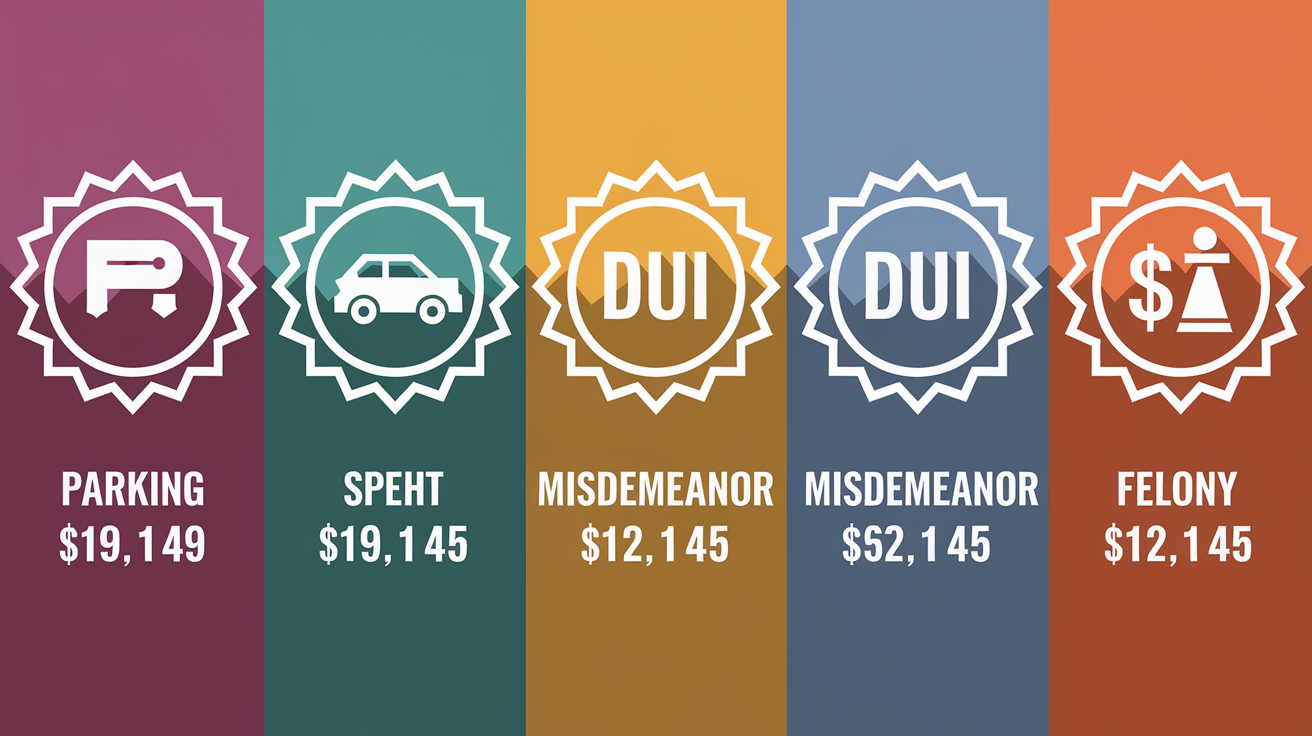
Fines vary a lot depending on what you did, where you did it, and whether it’s criminal or administrative. Traffic and parking violations are what most people run into. Criminal fines tie to convictions for misdemeanors and felonies. Administrative and municipal fines enforce local codes and regulatory compliance.
Typical fine amounts across the U.S. follow some patterns, but state and local laws set the final numbers. Parking violations usually run $25 to $250 depending on the infraction and location. Speeding fines commonly fall between $50 and $500, higher for excessive speeds or repeat offenses. Red light camera violations often carry fines of $100 to $500, and many jurisdictions pile surcharges on top of the base amount.
| Offense Type | Typical Fine Range | Notes |
|---|---|---|
| Parking violations | $25–$250 | Varies by city; fire hydrant and handicap spots carry higher penalties |
| Speeding | $50–$500 | Depends on speed over limit and zone (school, construction) |
| Red light violations | $100–$500 | Often enforced by cameras with mailed citations |
| DUI (first offense) | $500–$2,500 | Plus court costs, license fees, and potential jail or probation |
| Misdemeanor | Up to $1,000 | Statutory maximums vary; Texas allows up to $4,000 for serious misdemeanors |
| Felony | $5,000–$10,000+ | Depends on offense class and state law; can be much higher for white collar crimes |
DUI fines are some of the steepest for traffic stuff. New Mexico sets a first offense DUI fine at $300, Florida at $500, Texas allows up to $2,000. Those base fines balloon once you add license reinstatement fees, alcohol treatment costs, and insurance surcharges.
Criminal fines for misdemeanors and felonies follow statutory schedules. Texas, for example, caps low level misdemeanor fines at $500 and serious misdemeanor fines at $2,000 or $4,000 depending on the offense. Felony fines commonly reach $5,000 to $10,000, but some fraud, drug, or organized crime convictions carry statutory maximums well above that.
Administrative and municipal code fines enforce everything from health violations to zoning infractions. These penalties are set locally and can range from a few hundred bucks for a minor code violation to tens of thousands for repeat environmental or safety breaches. Unlike criminal fines, administrative penalties often don’t require a court conviction. Just a finding by the enforcing agency.
How Fine Amounts Are Calculated
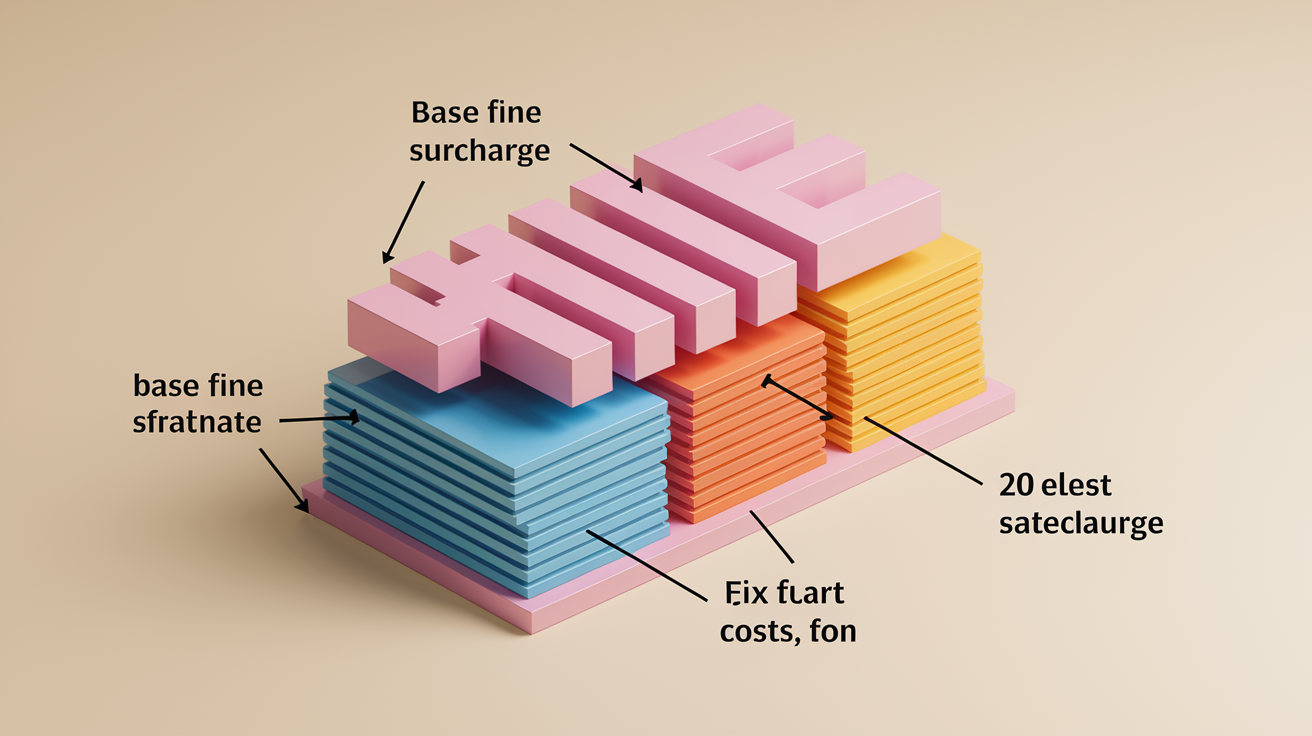
The number on your citation is rarely the full amount you’ll owe. Fine calculations start with a base penalty set by statute or local ordinance, then pile on mandatory surcharges, court costs, and processing fees. Understanding each piece helps you plan for the total bill and check whether the amount’s correct.
Base fines are the statutory penalty for the specific offense. A speeding ticket might carry a $200 base fine for going 15 mph over the limit. That base is set by state or local law and usually appears in a published fine schedule.
Surcharges are percentage add ons or flat fees tied to the base fine. Jurisdictions commonly tack on 10% to 50% in surcharges to fund victim assistance programs, court technology, or other state and local budgets. A $200 base fine with a 20% surcharge becomes $240 before you even add court costs.
Court costs and administrative fees are fixed charges for processing your case. These can include $25 to $200 in clerk fees, technology fees, prosecution fees, and crime prevention fund contributions. Florida bundles multiple fees into every traffic or criminal case: a $20 court cost fee, a $3 clearing trust fund fee, a $60 fine and forfeiture fee, a $20 Crime Stoppers fee, a $50 prosecution fee, a $50 crime compensation fee, and a $20 crime prevention fee. That’s $223 in fees before the base fine.
Processing fees apply when you pay by credit card, debit card, or phone. Third party payment vendors often charge $5 to $15 per transaction, and some courts add their own convenience fees on top.
Here’s how the math works in practice:
- Start with the base fine (example: $200 for speeding).
- Add the surcharge percentage (example: 20% = $40).
- Add fixed court fees (example: $50).
- Add any processing fee if paying by card (example: $5).
- Total owed: $200 + $40 + $50 + $5 = $295.
That formula explains why a $200 ticket can easily turn into a $300+ bill. Some states publish fine calculators on court websites, but many don’t. You’ll need to read the full breakdown on your citation or contact the clerk’s office to confirm the total before your payment deadline.
Paying Fines: Methods, Deadlines, and Processing Rules

Most fines give you 10 to 30 days from the citation date or court judgment to pay in full or request a payment plan. Missing that window can trigger late fees, collection action, or extra penalties. Knowing your payment options and the rules around installment plans keeps you in compliance and avoids things getting worse.
Courts and agencies offer multiple payment methods. Online portals are the most common option, letting you pay by credit or debit card 24/7 through the court’s website or a third party processor. Phone payments work the same way, usually via an automated system or live operator. Mail payments require a check or money order sent to the clerk’s office. Cash is almost never accepted by mail, and personal checks may take days to process. In-person payments at the clerk’s office or courthouse allow you to pay by cash, check, money order, or card, and you’ll get a stamped receipt on the spot. Some jurisdictions also install payment kiosks in courthouses, municipal buildings, or high traffic public spaces.
Common payment methods:
- Online portals (credit/debit card, sometimes e-check)
- Automated phone systems (card payments)
- Mail (check or money order)
- In person at clerk’s office (cash, check, card)
- Payment kiosks (card or cash in select locations)
Processing fees apply to most card and phone payments. Expect to pay $5 to $15 per transaction, depending on the vendor and the total amount. Some courts waive processing fees for in person payments or checks sent by mail, so compare your options if the fee’s high.
Payment plans let you break the total into monthly installments, usually over three to twelve months. You’ll typically need to apply in writing or online, and the court may require a down payment and impose a setup fee. Plans often carry interest or monthly administrative charges, and missing a payment can void the agreement and send your case to collections. Many courts require you to stay current on all installments to avoid a warrant or license suspension.
If your payment deadline’s approaching and you can’t pay in full, contact the court or issuing agency immediately. Requesting an extension, payment plan, or indigency hearing before the deadline shows good faith and may prevent enforcement action. Ignoring the fine guarantees worse consequences down the line.
Consequences of Not Paying Fines
Unpaid fines don’t just disappear. Courts and agencies have broad enforcement powers to collect what you owe, and the penalties for nonpayment escalate quickly. Late fees and interest start accruing within days or weeks of your missed deadline. Many jurisdictions add a fixed late penalty, like $25 or $50, or begin charging monthly interest on the outstanding balance. That interest can range from a small percentage to a flat fee, and it compounds over time.
After 30 to 90 days of nonpayment, your account may be referred to a collections agency or the court may obtain a civil judgment against you. A judgment allows the creditor to pursue wage garnishment, bank levies, or property liens. Wage garnishment takes a portion of your paycheck until the debt’s satisfied. Bank levies freeze and seize funds from your checking or savings account. Property liens attach to real estate or vehicles, preventing you from selling or refinancing until the debt’s paid.
Unpaid fines also appear on credit reports if the debt’s sold to a collection agency or a civil judgment’s entered. That can drop your credit score and make it harder to rent an apartment, get a loan, or qualify for insurance. Collection agencies may add their own fees, further inflating the total you owe.
Driver’s license suspensions are one of the most disruptive consequences. Many states suspend licenses for unpaid traffic fines, court costs, or child support, even if the underlying violation had nothing to do with driving. A suspended license makes it illegal to drive to work, school, or medical appointments, and getting caught behind the wheel can lead to arrest, vehicle impoundment, and more fines. Reinstating a suspended license often requires paying the full balance plus reinstatement fees, which can run $50 to $200 or more.
Vehicle registration holds prevent you from renewing your tags until you resolve the fine. Some states share information across agencies, so an unpaid parking ticket in one city can block your registration renewal statewide.
Bench warrants are issued when you fail to appear in court or fail to comply with a payment order. A warrant allows law enforcement to arrest you during a traffic stop, at your home, or at work. You may be held in jail until you can see a judge, post bond, or arrange payment. Jail time for nonpayment of fines is constitutionally limited. Courts must hold an ability to pay hearing before incarcerating someone for unpaid fines. But many people are jailed on failure to appear warrants without that safeguard.
Probation violations can also result from unpaid fines. If your sentence includes fines as a condition of probation, nonpayment can trigger a violation hearing and potential jail time. Same applies to supervised release or deferred adjudication programs.
The timeline from missed payment to serious enforcement varies by jurisdiction, but the pattern’s predictable: late fees and interest within weeks, collections or judgments within months, and license suspensions or warrants shortly after. Acting early, requesting a payment plan, filing for indigency, or negotiating a settlement, can stop things before they reach wage garnishment or arrest.
How to Contest or Dispute Fines

If you believe a fine’s incorrect, unfair, or based on faulty evidence, you have the right to contest it. The process and deadlines vary by jurisdiction, but the basic steps are similar: request a hearing, gather evidence, and present your case to a judge or hearing officer. The window to dispute is short, usually 10 to 30 days from the date of the citation or notice.
Requesting a Hearing
Most fines give you three options: pay, request a mitigation hearing, or plead not guilty and request a contested hearing. A mitigation hearing lets you explain why the fine should be reduced, but you’re admitting the violation occurred. A contested hearing means you’re challenging the facts and asking for a dismissal or acquittal. To contest, you’ll need to check the box on your citation, submit a written request online or by mail, or appear in person at the clerk’s office before the deadline. Missing the deadline usually means you forfeit your right to dispute and the fine becomes final. Courts schedule hearings weeks or months out, so acting fast keeps your options open. If you plead not guilty, the court will set a trial date and notify the officer or agency that issued the citation. Failure to appear at your hearing can result in a default judgment, more fines, and a warrant.
Evidence That Can Help You Win
Judges decide based on evidence, not explanations. Photos showing unclear signage, obstructed lane markings, or malfunctioning traffic signals can undermine a citation. Time stamped receipts, work logs, or GPS data can prove you weren’t at the location when the violation occurred. Witness statements from passengers or bystanders add credibility if they contradict the officer’s account. Calibration records for speed detection devices are public records in most states. If the radar or lidar unit wasn’t calibrated within the required timeframe, the speed reading may be inadmissible. Maintenance logs for red light cameras and parking meters can also reveal equipment failures. Bring printed copies of all evidence to your hearing. Judges rarely accept verbal arguments alone.
Appeal Windows and Procedures
If you lose your initial hearing, you can usually appeal the decision to a higher court. Appeal deadlines are strict, often 10 to 30 days from the hearing decision. You’ll need to file a written notice of appeal with the court that heard your case and pay an appeal filing fee, which can range from $50 to several hundred dollars depending on the jurisdiction. Appeals are typically limited to questions of law or procedural errors. You can’t introduce new evidence or re-argue the facts. The appellate court will review the hearing record, and if it finds an error, it may reverse the fine, reduce the penalty, or send the case back for a new hearing. If you miss the appeal deadline, the original decision becomes final and you lose the right to challenge it further.
Fine Reductions, Waivers, and Alternatives When You Can’t Pay
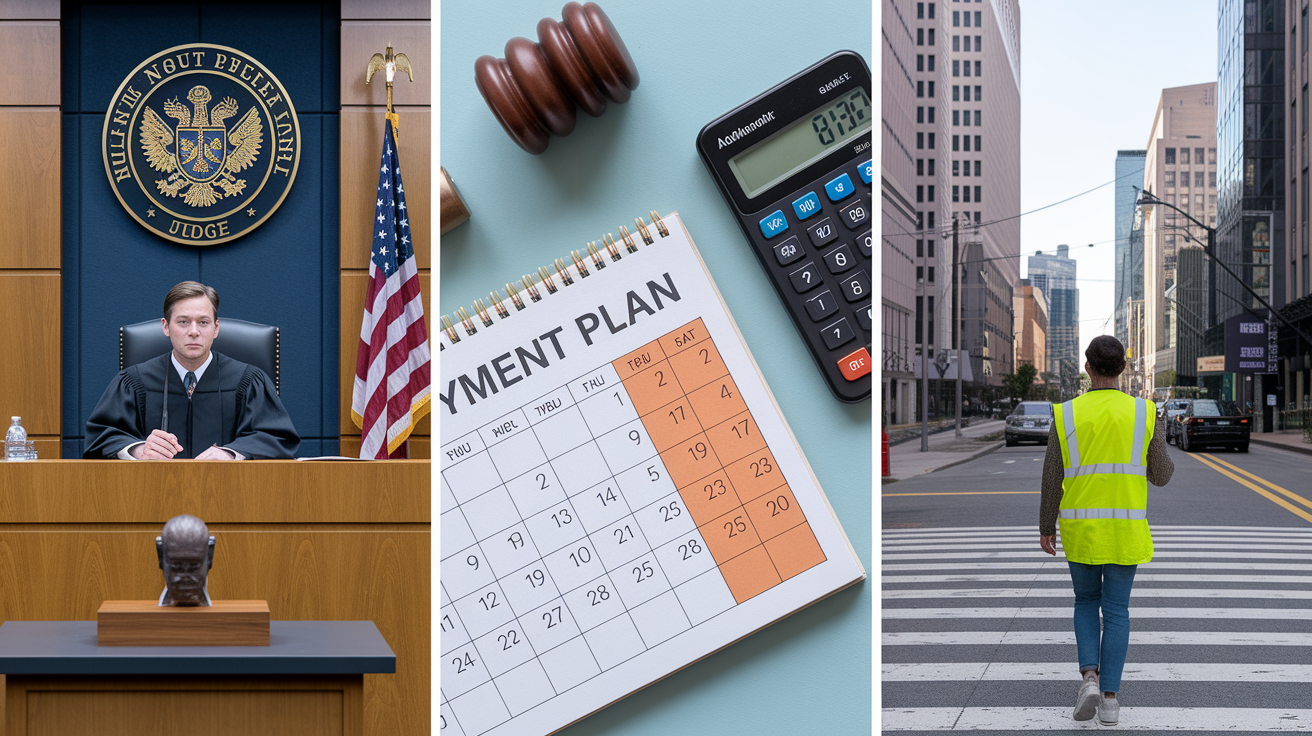
Courts recognize that not everyone can afford to pay a fine in full, and federal and state law prohibits jailing someone for nonpayment without first assessing their ability to pay. If you’re facing a fine you can’t afford, you have several options to request relief or an alternative sentence.
An indigency hearing lets you present evidence of your income, assets, and expenses to the court. Bring pay stubs, benefit statements, rent receipts, and bills. If the judge finds you indigent, the court may reduce the fine, waive fees, extend the payment deadline, or convert the fine to community service. Some jurisdictions require you to file a formal indigency affidavit before your hearing date.
Payment plans spread the total over several months, as described earlier. Courts are more willing to approve a plan if you request it before the deadline and show that you’re making a good faith effort to pay.
Community service is a common alternative when payment isn’t feasible. Courts typically convert fines to service hours at a set rate, often $10 to $25 per hour. For example, a $200 fine might convert to 20 hours of service at $10 per hour. You’ll be assigned to a government agency, nonprofit, or public works program, and you’ll need to complete the hours by a deadline and submit proof of completion. Failing to finish the service hours can result in the original fine being reinstated plus extra penalties.
Fee waivers eliminate certain court costs or administrative fees entirely. Not all fees are waivable. Restitution to victims, for instance, usually can’t be waived. But many courts will drop processing fees, technology surcharges, or other add ons for low income defendants.
Common fine reduction routes:
- Filing an indigency affidavit and requesting a hearing
- Negotiating a payment plan before the deadline
- Converting fines to community service hours
- Applying for fee waivers on court costs and surcharges
If you’re on probation or supervised release, talk to your probation officer before missing a fine payment. Officers can sometimes recommend modifications to the court or help you access resources for payment assistance. Ignoring the fine won’t make it go away, and it can trigger a probation violation that lands you in jail.
Fines for Businesses and Professional Entities

Fines aren’t limited to individuals. Businesses, corporations, and professional entities face monetary penalties for regulatory violations, workplace safety failures, data breaches, antitrust violations, and securities fraud. These fines can dwarf individual penalties, sometimes reaching millions or billions of dollars.
Regulatory agencies at the federal, state, and local levels have the authority to assess civil fines without a criminal conviction. The Occupational Safety and Health Administration (OSHA) issues fines for workplace safety violations, with penalties ranging from a few thousand dollars for minor infractions to over $100,000 for willful or repeated violations that result in death or serious injury. The Securities and Exchange Commission (SEC) fines companies and executives for insider trading, fraud, and disclosure failures, with penalties often calculated as a multiple of the illicit gain or loss avoided.
| Violation Type | Regulatory Body | Typical Penalty Scale |
|---|---|---|
| Workplace safety violations | OSHA | $1,000–$150,000+ per violation; higher for willful or repeat offenses |
| Securities fraud, insider trading | SEC | $100,000–$1 million+ per violation; can exceed profits gained |
| Data breach, privacy violations | GDPR (EU), FTC (US) | Up to 4% of global revenue (GDPR); FTC fines vary widely |
| Antitrust, monopoly practices | DOJ, FTC, EU Commission | Billions in extreme cases; often tied to revenue or harm |
The General Data Protection Regulation (GDPR) in Europe allows fines of up to 4% of a company’s annual global revenue for serious data protection violations. The Federal Trade Commission (FTC) in the U.S. has levied multimillion dollar fines against tech companies for privacy breaches and deceptive practices. Antitrust fines can reach into the billions when regulators find evidence of price fixing, market manipulation, or monopolistic behavior.
Environmental fines from the Environmental Protection Agency (EPA) or state agencies punish pollution, hazardous waste violations, and Clean Water Act or Clean Air Act breaches. Penalties are calculated per day of violation, so a chronic discharge problem can accumulate millions in fines before it’s resolved.
Businesses can contest regulatory fines through administrative hearings and appeals, similar to individual dispute processes. Many fines are negotiated down through settlement agreements, especially if the company agrees to corrective actions, compliance programs, or compensation to affected parties. Ignoring or underpaying a regulatory fine can lead to asset seizures, operating license suspensions, or criminal referrals for executives.
Local Ordinance and Everyday Non-Criminal Fines
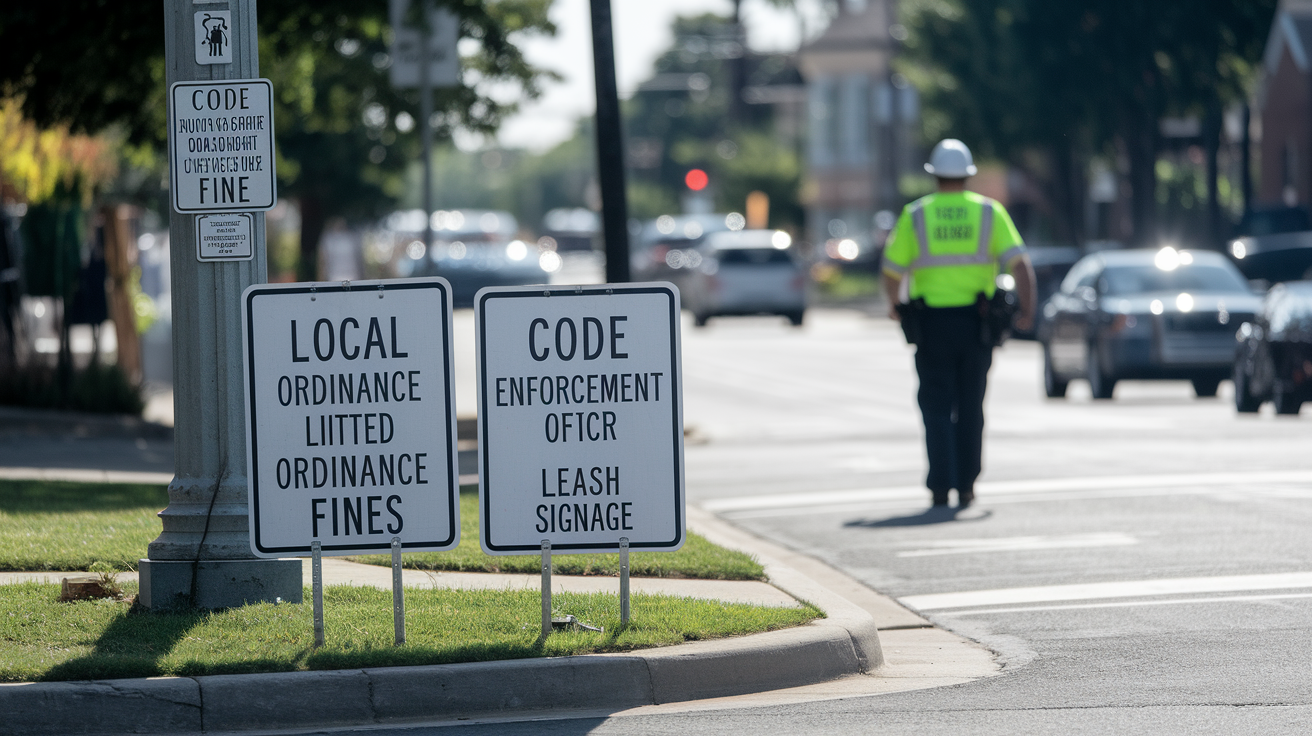
Beyond criminal and traffic penalties, cities and counties issue fines for a wide range of everyday violations. These local ordinances enforce community standards, public health, and neighborhood rules. The fines are usually modest, but they can add up quickly if violations repeat or go unresolved.
Littering fines range from $50 to $500 depending on the jurisdiction and the severity of the offense. Dumping large items or hazardous waste carries higher penalties. Noise ordinance fines punish loud parties, construction outside permitted hours, or amplified music in residential zones. Typical fines run $100 to $300 for a first offense, with escalating penalties for repeat violations.
Pet related fines include charges for unleashed dogs, failure to license a pet, or violations of leash laws and waste cleanup rules. Fines typically range from $25 to $200. Some cities issue progressive penalties, doubling the fine for each subsequent offense within a year.
Homeowner association (HOA) fines enforce deed restrictions and community bylaws. Common violations include unapproved landscaping, exterior paint colors, holiday decoration timelines, and parking commercial vehicles on the street. HOA fines vary widely based on governing documents, but $25 to $100 per violation’s typical. Chronic violations can lead to liens on your property.
Library fines for overdue books, lost materials, or damaged items are less common than they used to be. Many libraries have eliminated late fees. But where they still exist, charges range from $0.10 to $1.00 per day per item, capped at the replacement cost of the material.
Common local fines:
- Littering and illegal dumping
- Noise ordinance violations
- Unleashed pets and licensing failures
- HOA deed restriction breaches
Most local fines can be paid online, by mail, or in person at the municipal office. Contesting a local fine usually requires a hearing before a code enforcement board or administrative hearing officer. Deadlines to dispute are often shorter than for traffic tickets, sometimes as brief as 7 to 14 days.
Payment Tools, Calculators, and Fine Tracking Systems

Estimating your total fine and tracking outstanding balances used to require phone calls and courthouse visits. Today, many jurisdictions offer online tools that let you calculate fines, look up case numbers, and check payment history in real time.
Fine calculators are available on some state and county court websites. You enter the violation type, speed over the limit, or offense code, and the calculator adds the base fine, surcharges, and court fees to show your total. Not all jurisdictions publish these tools, but where they exist they save you from guessing whether the number on your ticket’s the final amount or just the starting point.
Online payment portals serve as both payment gateways and case lookup systems. You can search by citation number, license plate, driver’s license number, or case number to see all outstanding fines, due dates, and payment history. These portals usually accept credit and debit cards, and some allow e-check payments with lower or no processing fees.
Public databases and court records websites let you search for fines, judgments, and warrants by name or case number. Some states maintain centralized systems that pull data from multiple counties. Others require you to search each county’s site individually.
Common tools:
- Court operated fine calculators that add surcharges and fees automatically
- Online payment and case lookup portals searchable by ticket or case number
- Statewide or county level public records databases for fines, judgments, and warrants
Third party apps and websites aggregate court data in some regions, but always verify totals and deadlines directly with the official court or agency before making payment decisions. Unofficial sites may have outdated information or charge access fees.
If your jurisdiction doesn’t offer online tools, call the clerk’s office with your citation number or case number. Clerks can confirm your total balance, due date, and available payment methods over the phone.
Frequently Asked Questions About Fines
Can unpaid fines affect my credit score?
Yes. If your fine goes to collections or results in a civil judgment, it can appear on your credit report and lower your score. The impact depends on the amount and how long it remains unpaid. Paying promptly or negotiating a settlement can prevent credit damage.
How do I know the exact amount I owe?
Check your citation or court notice for the breakdown. If it only lists a base fine, contact the clerk’s office or use the court’s online portal to get the total including surcharges, fees, and any interest. Don’t rely on the ticket alone. Additional costs are often added at processing.
What happens if I miss the payment deadline?
Late fees and interest start accruing, and the court may issue a notice of nonpayment. After 30 to 90 days, your account can be sent to collections, your license may be suspended, or a warrant may be issued. Contact the court immediately to request an extension or payment plan.
Can I dispute a fine after I’ve already paid it?
Generally, no. Payment’s considered an admission of the violation in most jurisdictions. If you want to contest, you must do so before paying. Some courts allow you to pay under protest and still request a hearing, but that process is rare and varies by location.
Will a fine increase my car insurance rates?
Traffic fines tied to moving violations (speeding, reckless driving, running a red light) often add points to your license and can trigger insurance surcharges that last three to five years. Parking tickets and non-moving violations typically don’t affect insurance. Check with your insurer or state DMV for specifics.
How long do I have to appeal or dispute a fine?
Most jurisdictions give you 10 to 30 days from the citation date or hearing decision to file an appeal or request a contested hearing. Missing that window usually makes the fine final. Always check the deadline printed on your ticket or notice.
Are payment plans available for all fines?
Most courts offer payment plans, but approval isn’t automatic. You’ll need to apply, and the court may require a down payment or proof of income. Plans typically last three to twelve months. Missing a payment can void the agreement and restart enforcement.
What should I do if I receive a fine I don’t recognize or didn’t commit?
Request a copy of the citation or notice from the issuing agency. If it’s a case of mistaken identity, wrong license plate, or clerical error, gather proof (registration, alibi, photos) and file a dispute immediately. Don’t ignore it. Errors don’t resolve themselves, and the deadline to contest will pass.
Final Words
Here’s the short version: fines set the immediate cost, the payment clock, and the next steps if you miss a deadline.
We walked through definitions and categories, typical dollar ranges (from parking tickets to felonies), how totals are calculated, payment options and timelines, contesting routes, and relief for individuals and businesses.
Check deadlines, use online tools, and gather evidence when you dispute. With the right steps, fines are manageable, and you’ve got options going forward.
FAQ
Q: What is the meaning of fines?
A: The meaning of fines is monetary penalties imposed for rule or law violations; they can be criminal, civil, administrative, or municipal, meant to punish, deter, or compensate victims.
Q: What are fines used for?
A: Fines are used to punish offenders, deter future violations, compensate harmed parties, fund public programs, and enforce compliance by attaching a financial consequence to bad behavior.
Q: How to check for fines online?
A: To check for fines online, visit the issuing agency’s payment or records portal, enter case, ticket, plate, or personal details, and review outstanding balances, deadlines, and payment options.
Q: What is an example of a fine?
A: An example of a fine is a $150 parking citation for parking in a no-parking zone, typically due within 10–30 days and subject to late fees or collections if unpaid.