


Think the Thunder’s regular-season run is noise? Think again.
Oklahoma City beat Chicago 131-113, pushed to 58-16, and turned a tight first half into a blowout with a third-quarter defensive surge.
Shai Gilgeous-Alexander paced the charge while Cason Wallace filled in seamlessly for the injured big.
This recap gives the final score, the standout performances, the tactical swing that decided the game, and what it means for standings, rotations, fantasy and the playoff picture.
Full NBA Game Recap Overview With Final Score and Flow
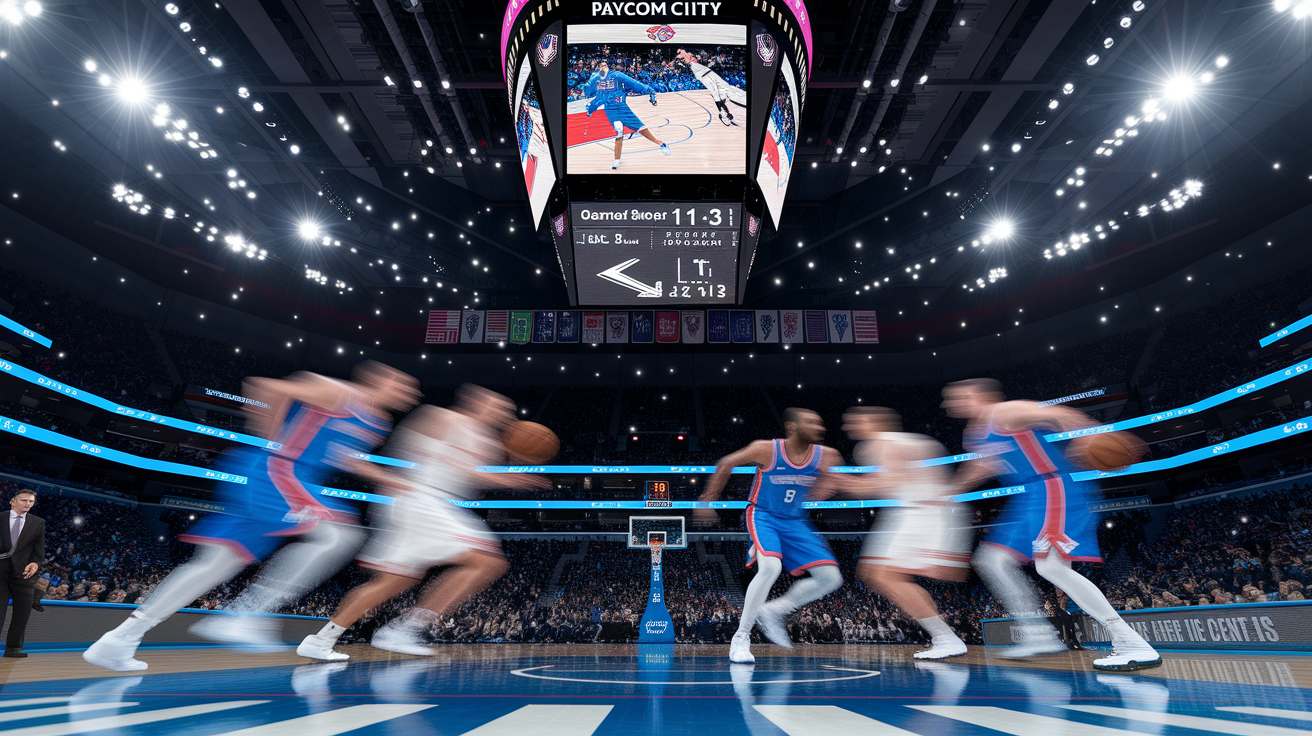
Oklahoma City Thunder 131, Chicago Bulls 113 on Friday, March 27, 2026 at Paycom Center in Oklahoma City. The Thunder moved to 58-16, holding a two-game cushion over San Antonio in the Western Conference loss column and pushing their recent stretch to 13 wins in 14 games. Chicago dropped to 29-44, stuck well outside the playoff picture and playing out the string with younger pieces.
The Bulls came out firing, draining 8-of-14 from three in the first quarter to grab a 32-29 edge. Chicago stretched it to 67-62 at halftime behind Isaac Okoro’s 17 first-half points and a 50 percent clip from deep through two quarters. Then the third quarter happened: OKC locked down defensively and erased everything with a 15-0 run fueled by Shai Gilgeous-Alexander, flipping the score to 95-88 by quarter’s end. The Thunder never let Chicago back in, extending the lead in the fourth with balanced scoring from six guys in double figures and smothering any late-game rally attempts.
- Q1, 9:30–6:00: Bulls’ three-point barrage (8-of-14) built the early cushion while OKC struggled from deep (3-of-14).
- Halftime: Chicago led 67-62; Okoro 6-of-7 FG for 17 points; Shai only 5-of-14 FG.
- Q3, 6:00–1:00: Thunder’s 15-0 run wiped out a five-point deficit and swung everything.
- End Q3: OKC 95, Bulls 88. Defensive clampdown held Chicago to brutal efficiency over the final six minutes of the quarter.
- Q4: Six Thunder players in double figures locked it down; Bulls never got closer than seven.
Shai Gilgeous-Alexander finished with 25 points, five assists, and three blocks in 29 minutes. Cason Wallace stepped into the starting lineup for the injured Chet Holmgren and delivered 21 points, while Jalen Williams added 18 in his third game back from hamstring trouble. Isaac Okoro led Chicago with 20 points and Collin Sexton chipped in 19, but the Bulls’ bench and late-game execution couldn’t match OKC’s depth. Oklahoma City’s turnover advantage (10 to Chicago’s higher count) and second-half defensive shift sealed it.
Key Takeaways From the NBA Matchup
The game turned entirely in the third quarter when Oklahoma City’s defense clamped down and Chicago’s hot three-point shooting evaporated. That 15-0 run, capped by Shai’s drives and Wallace’s aggressive cuts, transformed a competitive game into a blowout and exposed the Bulls’ inability to adjust when their perimeter shots stopped falling. OKC’s bench outscored Chicago’s reserves and the Thunder never allowed the Bulls to regain rhythm or confidence after the third-quarter surge.
Standings-wise, the Thunder cemented their Western Conference lead at 58-16, maintaining a two-game cushion on San Antonio (55-18) in the loss column and reinforcing their top-seed status heading into the final stretch. Chicago’s loss dropped them to 29-44, keeping them firmly in lottery territory with limited motivation beyond player development and evaluating young talent for next season’s roster decisions.
- Third-quarter defensive switch: OKC held Chicago to under 30 percent shooting over the final six minutes of the quarter, forcing rushed looks and contested threes.
- Depth advantage: Six Thunder players reached double figures, showcasing the roster balance that’ll be critical in playoff matchups when opponents try to slow Shai.
- Bulls’ three-point regression: After hitting 12 threes in the first half, Chicago managed only a handful in the second half as OKC adjusted perimeter rotations.
- Bench production gap: Oklahoma City’s reserves outpaced Chicago’s second unit by double digits, a trend that accelerated in the fourth quarter.
- Energy disparity: The Thunder’s defensive intensity in the second half forced multiple live-ball turnovers and transition opportunities, while Chicago appeared gassed and reactive.
- Offensive rhythm collapse: Chicago’s ball movement stalled after halftime, leading to isolation-heavy possessions that played into OKC’s defensive strength.
Shai’s ability to control tempo and facilitate during the third-quarter stretch let OKC play inside-out, creating open looks for Wallace and Williams when Chicago’s defense collapsed. Wallace’s 21 points in Holmgren’s absence proved the Thunder can adjust rotations without losing offensive firepower, a reassuring sign with the playoffs approaching. Okoro’s 20 points and Sexton’s 19 provided individual bright spots for Chicago, but neither could sustain efficiency once OKC tightened rotations and switched matchups.
This result reinforces Oklahoma City’s standing as the team to beat in the West. For Chicago, the loss underscores the gaps in late-game execution and defensive consistency that’ll define their offseason priorities and draft strategy.
Player Performance Breakdown and Individual Impact

Shai Gilgeous-Alexander was the player of the game, finishing with 25 points, five assists, and three blocks in 29 minutes. He shot 5-of-14 in the first half but found his rhythm in the third quarter, scoring 11 of his points during the 15-0 run that flipped the game. His combination of drives, mid-range pull-ups, and timely passing opened up opportunities for teammates and forced Chicago into rotational scrambles they never recovered from. Shai’s plus-minus of +18 reflected his control of pace and his ability to dictate matchups on both ends during crunch stretches.
Cason Wallace stepped into the starting lineup for the injured Chet Holmgren and delivered 21 points, providing secondary scoring and aggressive cutting that exploited Chicago’s slower big-man rotations. Jalen Williams added 18 points in his third game back from a hamstring injury, showing improved conditioning and willingness to attack in transition. Isaiah Hartenstein started at center and contributed steady rebounding and screen-setting, while the bench unit provided 31 points led by a reserve who dropped 12 in 18 minutes. For Chicago, Isaac Okoro’s 20 points on 6-of-7 shooting in the first half kept the Bulls competitive early, but his production dried up after halftime when OKC switched defensive assignments. Collin Sexton’s 19 points came on higher volume and lower efficiency, and the Bulls’ bench struggled to generate consistent offense once the Thunder tightened rotations.
The numbers tell the story of OKC’s dominance: Shai’s +18 and Wallace’s +16 dwarfed Chicago’s top performers, who posted negative net ratings in the second half. The Thunder’s team net rating surged to +22 over the final 18 minutes, driven by defensive stops and transition efficiency. Chicago’s starters combined for a -28 net rating in the third and fourth quarters, exposing their inability to match OKC’s pace and defensive intensity once momentum shifted.
| Player | Stat Line | Impact Note |
|---|---|---|
| Shai Gilgeous-Alexander | 25 pts, 5 ast, 3 blk, 29 min | Sparked 15-0 run; +18 plus-minus |
| Cason Wallace | 21 pts, started for Holmgren | Aggressive cutting; exploited slower bigs |
| Jalen Williams | 18 pts, 3rd game back | Transition threat; improved conditioning |
| Isaac Okoro | 20 pts, 6-of-7 FG (1H) | Hot start; faded after OKC switches |
Box Score Breakdown and Statistical Edges
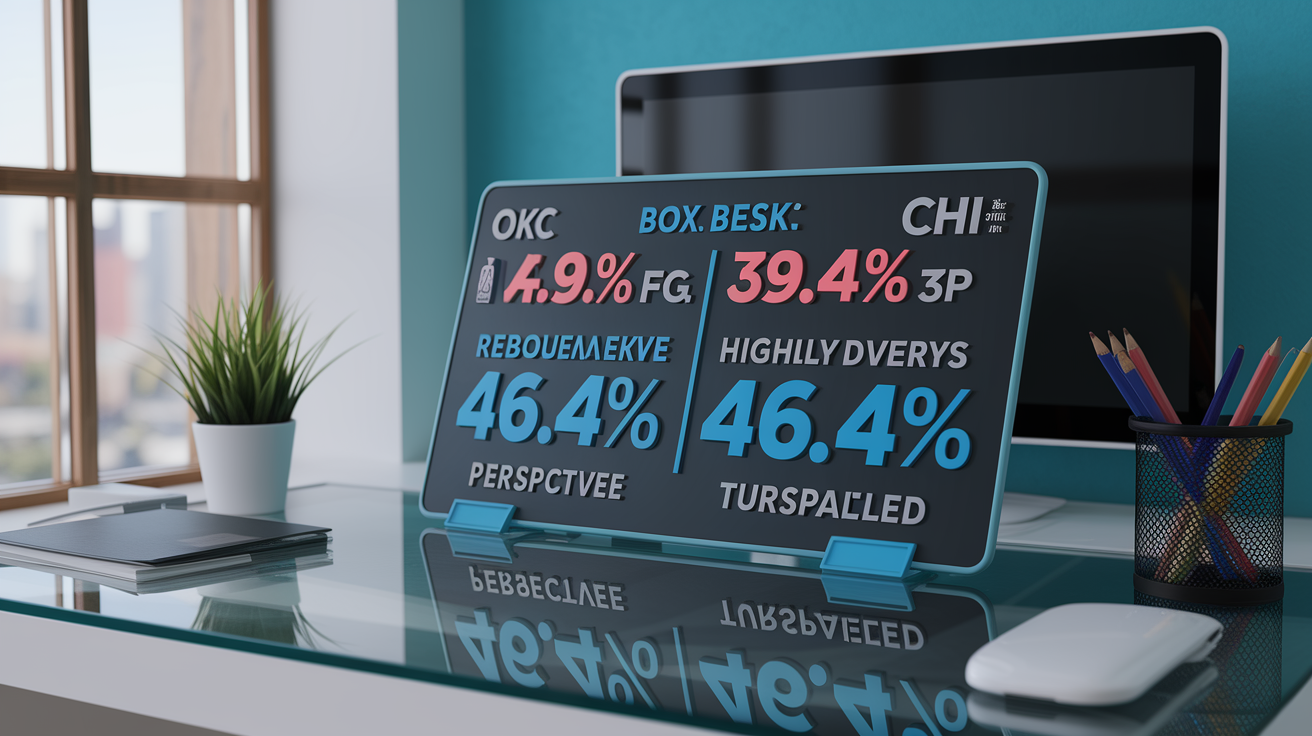
Oklahoma City shot 48.9 percent from the field and 39.1 percent from three (13-of-33), while Chicago managed 45.3 percent overall and 34.4 percent from deep. The Thunder’s better efficiency from distance and ability to generate higher-quality looks in the half-court separated the two offenses once Chicago’s early three-point variance cooled. OKC also dominated the turnover battle, committing only 10 compared to Chicago’s 14, and converted those extra possessions into transition points that widened the gap in the second half.
- Shooting splits: OKC 48.9% FG, 39.1% 3P; Chicago 45.3% FG, 34.4% 3P. Thunder’s three-point consistency proved decisive once the Bulls cooled off.
- Rebounding differential: OKC 46 total rebounds, Chicago 41. The Thunder’s slight edge on the glass limited second-chance opportunities for the Bulls.
- Turnovers: OKC 10, Chicago 14. Four extra possessions translated into easy transition points for the Thunder.
- Bench points: OKC 31, Chicago lower total. The Thunder’s reserves outproduced Chicago’s second unit by double digits, critical in extending leads during rest periods.
- Fast-break points: OKC’s transition offense generated more easy buckets in the second half, exploiting live-ball turnovers and missed shots after defensive stops.
These numbers show how Oklahoma City’s balanced attack and defensive discipline overwhelmed Chicago once the game settled into a half-court grind. The Thunder’s ability to maintain efficiency while forcing turnovers and controlling the glass meant the Bulls never found a sustainable rhythm after the third-quarter collapse. Chicago’s early three-point variance masked underlying structural weaknesses that OKC exploited with smarter shot selection and tighter rotations.
Coaching Adjustments, Rotations, and Strategy Notes

Oklahoma City’s coaching staff made the call to start Cason Wallace in place of the injured Chet Holmgren, inserting Isaiah Hartenstein at center to maintain size while leaning on Wallace’s perimeter aggression. This lineup change worked immediately. Wallace’s cutting and spot-up shooting kept Chicago’s defense honest and prevented them from sagging off to help on Shai. OKC also tightened their perimeter rotations in the third quarter, switching more aggressively on screens and forcing Chicago’s three-point shooters into contested looks after they torched the Thunder early.
- Small-ball adjustment mid-third quarter: OKC briefly went smaller to match Chicago’s pace, then reverted to Hartenstein when they needed rebounding and rim protection during the 15-0 run.
- Defensive switching scheme: The Thunder switched 1-through-4 on most pick-and-rolls in the second half, neutralizing Chicago’s ball-screen actions and forcing isolation attempts into help defenders.
- Timeout usage: OKC’s coach called a timeout at the 6:12 mark of the third quarter, right before the 15-0 run, to set up defensive assignments and emphasize transition discipline.
- Bench rotation stagger: The Thunder staggered Shai’s rest periods to make sure at least one of Williams or Wallace remained on the floor, maintaining offensive continuity and preventing Chicago from building momentum during rest windows.
- Zone look: OKC deployed a brief 2-3 zone late in the third quarter to disrupt Chicago’s rhythm and force mid-range jumpers, which the Bulls struggled to convert consistently.
These adjustments shifted the game’s competitive balance entirely. Chicago’s coaching staff struggled to counter OKC’s switching defense and failed to generate clean looks once the Thunder committed to denying the three-point line. The Bulls’ offense became predictable and isolation-heavy, playing directly into Oklahoma City’s defensive strengths and letting the Thunder control tempo and dictate matchups for the final 18 minutes.
Injury Updates and Availability Impact on the Game

Chet Holmgren missed the game with a right hip contusion, opening the door for Cason Wallace to start and Isaiah Hartenstein to anchor the frontcourt. Holmgren’s absence forced OKC to adjust their rim protection and pick-and-roll defense, but Wallace’s offensive production and Hartenstein’s steady rebounding minimized the impact. There were no in-game injuries for either team, and both rosters finished healthy aside from the players already on the inactive list.
- Pregame inactives for OKC: Chet Holmgren (right hip contusion), Brooks Barnhizer (G League two-way assignment), Thomas Sorber (right ACL recovery), Nikola Topić (G League assignment).
- Pregame inactives for Chicago: Zach Collins (right first toe sprain), Noa Essengue (left shoulder surgery), Jaden Ivey (left patellofemoral pain), Anfernee Simons (left ulnar styloid fracture), Jalen Smith (right calf strain), plus several questionable designations for two-way and rotational players.
- Short-term expectations: Holmgren is day-to-day; no structural damage reported, and he’s expected back within the next few games pending pain tolerance and imaging follow-up.
- Rotational shifts caused: Wallace’s start let OKC maintain perimeter balance, while Hartenstein’s insertion at center provided enough size to compete on the glass and protect the rim during critical stretches.
Chicago’s long injury list reflected their position in the standings, with multiple players either shut down for the season or managing minor ailments with playoff contention off the table. The Bulls’ available rotation lacked the depth to counter OKC’s adjustments, and the absence of multiple wing defenders limited their ability to slow Shai and Williams in transition. Oklahoma City’s ability to absorb Holmgren’s absence without losing offensive or defensive efficiency speaks to their roster depth and coaching adaptability heading into the postseason.
Standings, Playoff Race Context, and Season Implications
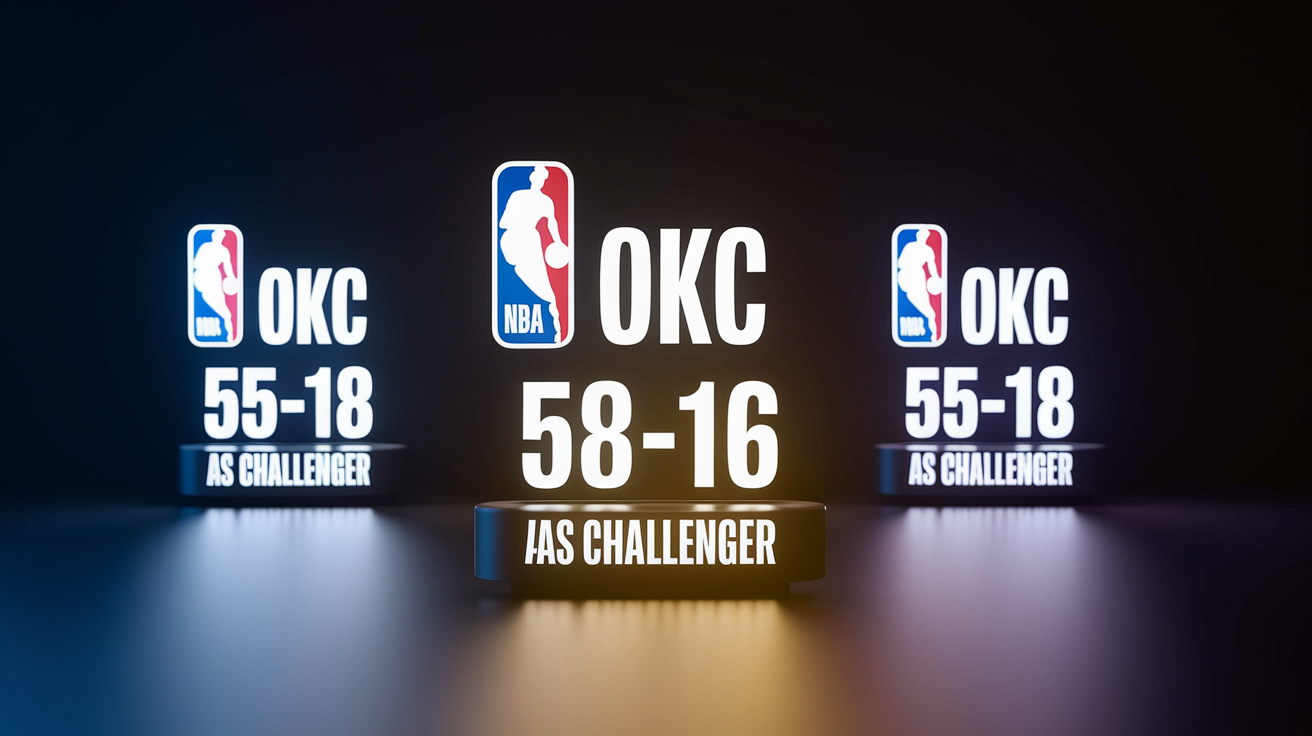
Oklahoma City’s win improved their record to 58-16, maintaining a two-game lead over San Antonio (55-18) in the Western Conference loss column and reinforcing their top-seed status with fewer than 10 games remaining. The Thunder have won 13 of their last 14, a stretch that’s cemented their control of homecourt advantage throughout the playoffs and provided momentum heading into the final regular-season games. Chicago dropped to 29-44, remaining firmly in lottery territory and focused on player development rather than playoff aspirations.
The conference race context is clear: Oklahoma City’s cushion means they can manage rest and rotations strategically over the next week without risking their playoff positioning. San Antonio remains the only realistic threat to the top seed, but OKC holds the tiebreaker and a favorable remaining schedule. For Chicago, the loss has no playoff implications but continues a season defined by youth evaluation and preparation for next year’s roster construction. The Bulls’ focus will shift to maximizing minutes for younger players and assessing which veterans fit the long-term timeline.
Recent trends amplify the narrative: OKC’s 13-1 run over the past two weeks showcases their ability to dominate weaker opponents and maintain consistency against playoff-caliber teams, while Chicago’s struggles against top-tier competition highlight the gap between rebuilding rosters and legitimate contenders. This result reinforces the Thunder’s status as a legitimate championship threat and underscores the Bulls’ need for significant offseason upgrades to compete in the Eastern Conference’s crowded middle tier.
Fantasy, DFS, and Betting Impact From the Matchup
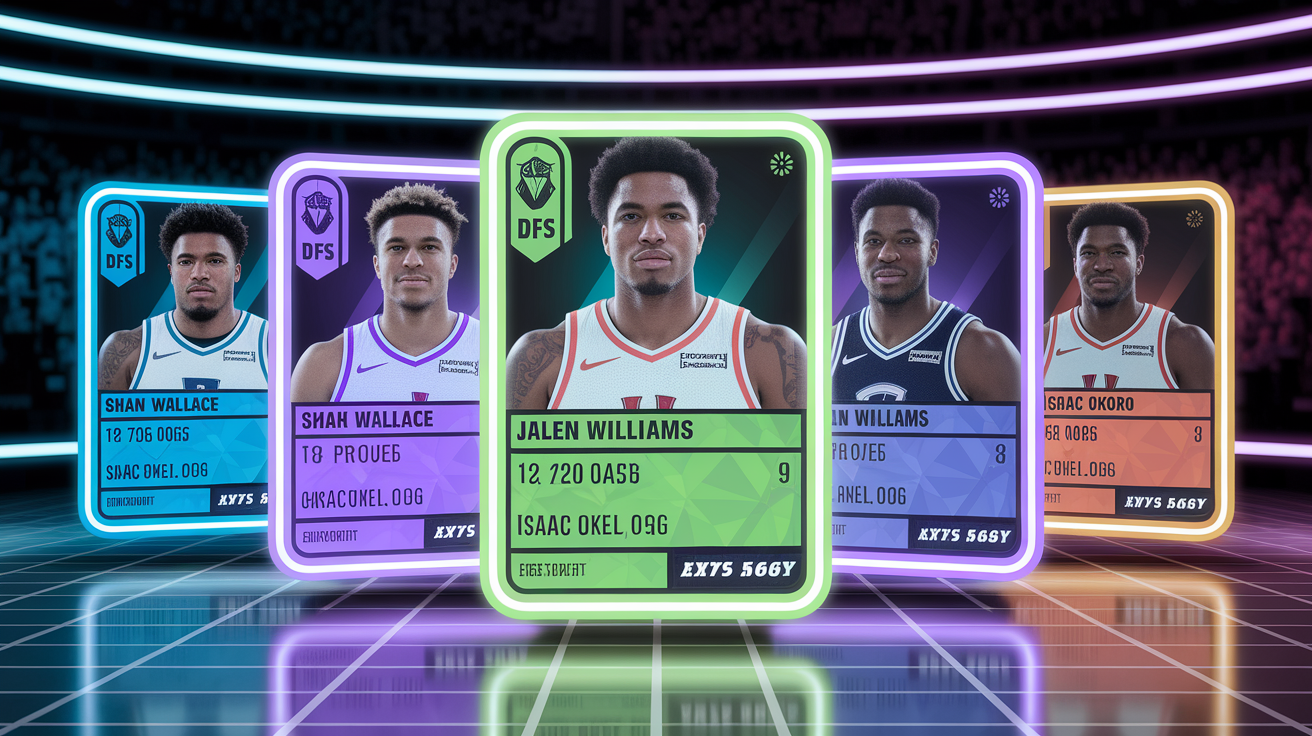
Shai Gilgeous-Alexander exceeded fantasy expectations with 25 points, five assists, and three blocks, providing solid value across multiple categories despite a slow first-half shooting start. Cason Wallace was the DFS standout, delivering 21 points in a starting role at a value price point that made him a slate-winning play for daily fantasy users who rostered him as a Holmgren replacement. Jalen Williams’ 18 points in limited minutes provided steady production for season-long fantasy managers monitoring his return from injury, while Isaac Okoro’s 20 points were a short-term spike unlikely to repeat given his usual role and usage.
- Props hits: Shai over 24.5 points hit comfortably; Wallace over 12.5 points cashed as a popular Holmgren-out angle.
- DFS value: Wallace’s salary was priced as a bench player but he delivered starter usage and volume, making him the highest ROI play on the slate.
- Injury-driven swaps: Holmgren’s absence opened up minutes for Hartenstein and Wallace, both of whom provided fantasy-relevant production in larger roles.
- Bench sleepers: OKC’s reserve who scored 12 points in 18 minutes was a deep-league streamer worth monitoring if Holmgren misses additional games.
- Betting line outcomes: The Thunder covered the -19.5 spread easily (won by 18); the total of 244 points sailed over the 239.5 O/U, driven by Chicago’s hot first-half shooting and OKC’s second-half offensive surge.
The game’s pace and scoring deviation from projections were influenced by Chicago’s early three-point variance, which inflated the first-half total and set up the over for bettors who anticipated OKC’s second-half offensive efficiency. Fantasy managers should monitor Holmgren’s status closely, as Wallace’s role and usage will fluctuate depending on when the starting center returns. Okoro’s 20-point performance was an outlier driven by first-half shot-making; his season-long fantasy profile remains inconsistent and volume-dependent.
Highlight Plays, Shot Charts, and Video Breakdown Notes

The game’s defining visual moment came at 6:00 remaining in the third quarter, when Shai Gilgeous-Alexander drove baseline, absorbed contact, and finished with a high-arcing floater that sparked the 15-0 run. Cason Wallace’s breakaway dunk at 3:42 in the third punctuated the momentum shift, and Jalen Williams’ transition three at 9:17 in the fourth quarter effectively ended any hope of a Chicago comeback. Suggested highlight timestamps include Shai’s and-1 finish during the third-quarter surge and Wallace’s above-the-break three at 7:30 in the third that extended the lead to double digits.
- Shot-chart insight: Shai’s mid-range and paint touches clustered heavily on the right side in the third quarter, exploiting a defensive gap when Chicago’s help rotated late.
- Heat map note: Chicago’s three-point attempts were evenly distributed in the first half but became heavily corner-dependent in the second half once OKC took away the top of the key.
- Efficiency visual: OKC’s fast-break points spiked in the third and fourth quarters, correlating directly with Chicago’s turnover rate and missed shots after defensive stops.
Shot-chart visuals would show how Oklahoma City’s offense became more paint-focused in the second half while Chicago’s three-point attempts dried up. A quarter-by-quarter scoring bar chart would capture the third-quarter swing vividly, with OKC outscoring Chicago 33-21 in that frame. Video clips of the 15-0 run would capture the defensive intensity and transition execution that defined the game’s turning point, giving fans a clear visual narrative of how the Thunder seized control.
Upcoming Schedule, Matchups, and What’s Next

Oklahoma City hosts the New York Knicks on March 29, a test against an Eastern Conference playoff team that’ll provide a preview of potential Finals matchups and let the Thunder continue fine-tuning rotations with Holmgren’s return timeline still uncertain. Chicago travels to face the Brooklyn Nets on March 29, a game between two lottery-bound teams focused on player development and offseason positioning. The Thunder’s remaining schedule is manageable, with only two games against teams currently above .500, while the Bulls face a mix of playoff hopefuls and fellow rebuilders.
Travel and fatigue aren’t real concerns for both teams given the two-day rest window before their next games. Oklahoma City will monitor Holmgren’s hip closely and may opt for additional rest if the injury lingers, especially with their playoff positioning secure. Chicago will likely continue rotating younger players into extended minutes, using the final stretch to evaluate roster fits and gather data for offseason decisions. The Thunder’s depth and recent form suggest they’ll maintain their top-seed momentum, while the Bulls’ focus remains on individual player growth rather than wins and losses over the season’s final weeks.
Final Words
With the clock winding down, the winner pulled away and the final score showed a game of runs, late defense and clutch plays. This recap hit the turning points and how the flow swung quarter to quarter.
Top performers and bench lifts shaped the finish, while box-score edges like shooting splits, rebounding and turnovers explained the margin. Coaching tweaks and two small injuries nudged rotations.
For a quick reference, this nba game recap and key takeaways gives you the who, why and what’s next, and it leaves both teams with momentum to build on.
FAQ
Q: What was the final score and context of the game?
A: The final score and context are presented up front: the final score, game date, and why it mattered for standings or playoff positioning, giving quick sense of stakes and outcome.
Q: How did the game unfold quarter-by-quarter?
A: The quarter-by-quarter recap explains how each period swung the game, noting key runs, lead changes, and which quarters decided momentum in a tight, 3–5 sentence snapshot.
Q: What were the biggest turning points or momentum shifts?
A: The biggest turning points list the decisive scoring runs, clutch stops, late turnovers, timeout calls, or lineup changes that flipped momentum and practically decided the result.
Q: Who was the player of the game and which stat lines stood out?
A: The player of the game is highlighted with a full stat line (PTS/REB/AST/FG%), plus 2–3 supporting performances and an efficiency note showing who truly moved the needle.
Q: Which team-level stats most affected the final outcome?
A: The key team stats are summarized—shooting splits (FG/3P/FT), rebounding edge, turnover margin, bench scoring, and fast-break points—explaining how those differentials shaped the win or loss.
Q: How did coaching adjustments and rotations influence the result?
A: Coaching adjustments and rotation notes cover lineup switches, small-ball or zone shifts, substitution patterns and timeout use, showing how those moves changed matchups, rhythm, and efficiency.
Q: Were there injuries and how did they change rotations?
A: Injury updates list in-game or pregame exits, return status, short-term outlook, and how absences forced rotation changes or matchup tweaks that affected minutes and roles.
Q: What does this result mean for the standings and playoff race?
A: The standings impact explains updated records, seed movement or tiebreaker effects, and which upcoming games matter most for each team’s playoff or seeding prospects.
Q: What are the fantasy, DFS, and betting takeaways from this matchup?
A: Fantasy/DFS and betting takeaways point out who out- or under-performed projections, emerging sleeper/values, prop hits or misses, and line reactions to injuries or pace surprises.
Q: Where are the highlights, shot-chart notes, and what’s next for each team?
A: Highlight and shot-chart notes call out key timestamps, heat-map patterns, and suggested clips, plus upcoming opponents, travel/rest context, and items to monitor for the next game.