


Think NBA overtime is sudden death? It’s not.
Overtime starts when the score’s tied after four quarters and each extra period lasts five minutes.
No sudden death. The full period plays out, and if it’s still tied you get another five minutes.
This piece breaks down the NBA overtime rules fans actually need: timing, jump-ball restarts, fouls and bonus thresholds, timeouts and challenges, and how OT compares to college, FIBA, and the WNBA.
Read on to know what changes next game, who gains minutes, and what to watch late.
Core Breakdown of NBA Overtime Rules and How They Work

Overtime kicks in when the score’s tied after regulation ends. Simple as that. Four quarters down, and nobody’s ahead.
Each overtime runs 5 minutes. There’s no sudden death here. The full period plays out whether someone scores first or not. Still tied when time expires? You get another 5-minute OT. And another. This keeps going until somebody’s actually winning when the buzzer sounds.
Before the first OT starts, teams get a 130-second break. A little over two minutes to catch their breath. Overtime begins with a jump ball at center court, just like the start of a game. From there, it’s full five-on-five basketball.
Six things you need to know about NBA overtime:
- Every OT period lasts 5 minutes
- There’s a 130-second break before it starts
- It opens with a center-court jump ball
- No sudden death. The whole period gets played
- Tied again? Another 5-minute OT begins
- There’s no cap on how many OTs can happen
Multiple overtimes aren’t rare. They’ve happened dozens of times. The record? Six overtimes in one game, back in 1951. Indianapolis Olympians beat the Rochester Royals 75–73 after 78 total minutes on the floor.
NBA Overtime Timing Rules and Period Structure

Every OT period runs exactly 5 minutes on the game clock. Teams tied when that clock hits zero? Another overtime starts after a quick break. This can repeat forever until someone’s leading when a period ends.
Clock mechanics work just like the fourth quarter. Here’s what changes:
- The game clock stops after every made basket during the final 2 minutes of each OT
- In the first 3 minutes of OT, the clock runs normally after made shots
- The buzzer at the end of an OT works the same way as any quarter buzzer. Tied score means another OT starts
- Team ahead when the period ends? Game over
For timing purposes, overtime’s treated as an extension of the fourth quarter. All late-game clock stoppages apply. That 2-minute mark in each OT functions exactly like the final 2 minutes of regulation. Automatic stoppages after scores, heightened review scrutiny, the whole deal.
NBA Overtime Possession, Jump Ball Rules, and Restart Procedures
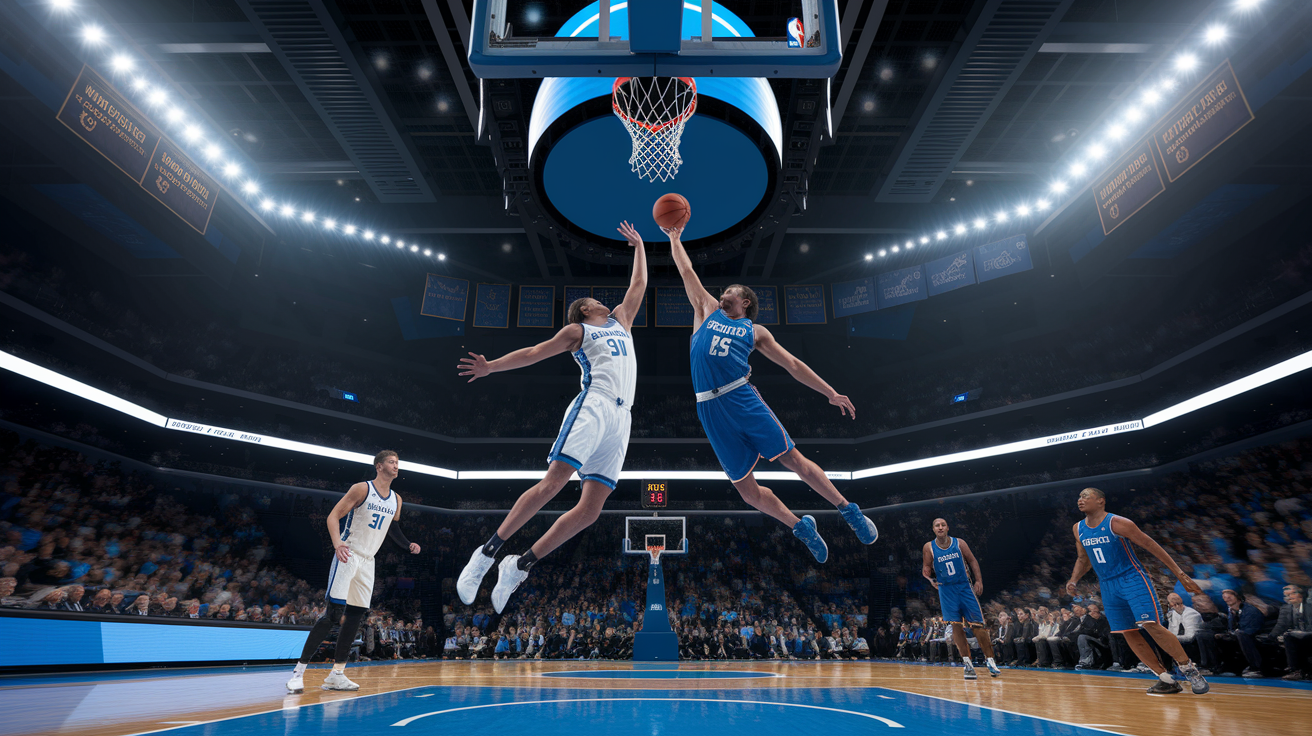
The first overtime always opens with a jump ball at center court. Two players (coaches pick who) go up for it. This isn’t like college ball, which uses a possession arrow. In the NBA, the jump ball’s live. Whoever wins the tip controls the opening possession.
During OT, all held-ball situations get settled the same way. Two players grab the ball at once? Jump ball. The NBA doesn’t use an alternating possession arrow. Not at any point.
Normal possession rules apply after that opening tip. Each new OT period? Another center-court jump ball. Doesn’t matter who had the ball when the last period ended.
Fouls, Penalties, and Free Throw Rules in NBA Overtime
Personal fouls from regulation carry over. Player enters OT with five fouls? Their next one disqualifies them. But team fouls reset at the start of each overtime period, same as they reset between quarters.
The bonus threshold’s lower in OT because the period’s shorter. Once a team commits its fourth foul in an OT period, opponents shoot two free throws. Also, any team’s second foul in the final 3 minutes of OT triggers bonus free throws. Same concept as the two-foul rule in the last 2 minutes of regulation.
There’s no sudden death tied to fouls or free throws. One team awarded free throws with seconds left? The period still plays to completion. Score’s tied after that? Another OT begins.
| Rule | Regulation Standard | Overtime Standard |
|---|---|---|
| Bonus threshold (team fouls) | 5th foul in a 12-minute quarter | 4th foul in a 5-minute overtime |
| Late-period foul threshold | 2nd foul in final 2 minutes | 2nd foul in final 3 minutes |
| Player foul carryover | Resets each quarter | Carries over from regulation and prior OTs |
| Team foul reset | Yes, at each quarter | Yes, at each overtime period |
| Free throw format for bonus | Two shots | Two shots |
Timeout, Challenge, and Replay Review Rules During NBA Overtime
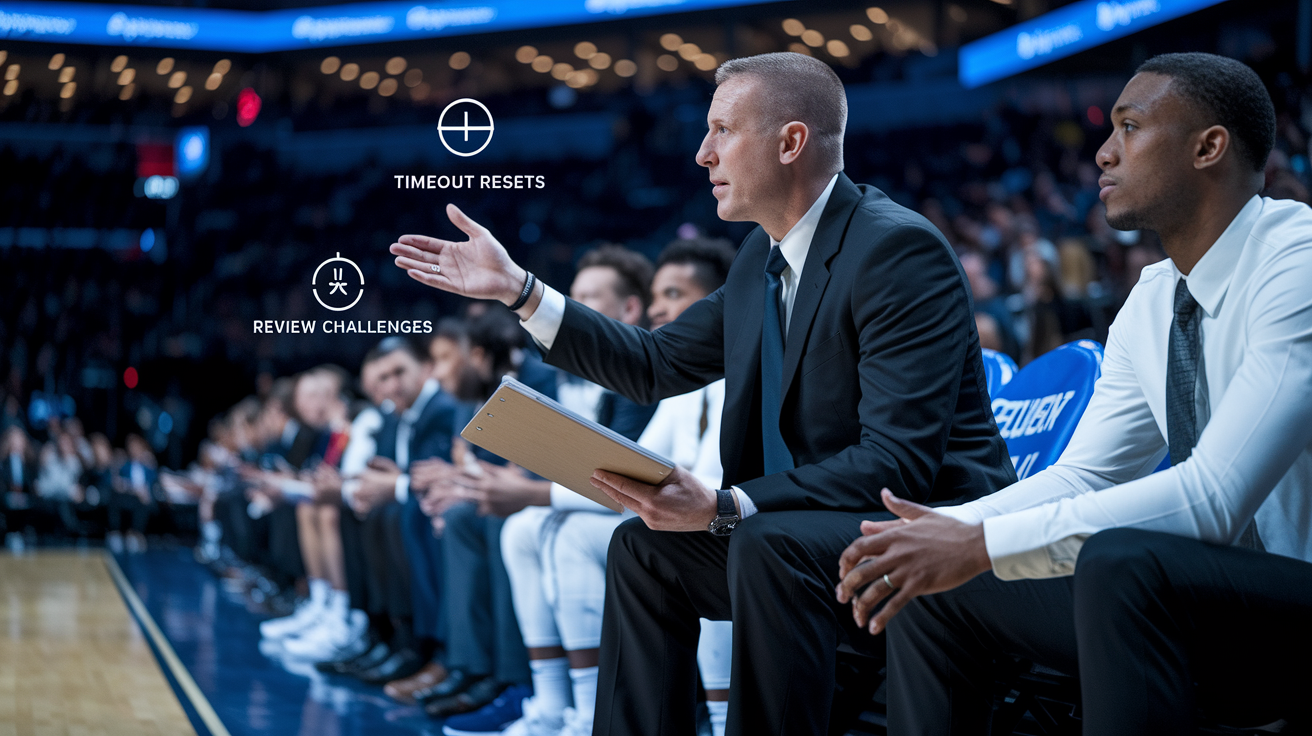
Each team gets two timeouts per OT period. Fresh ones. They don’t carry over from regulation. Used all your timeouts in the fourth quarter? Doesn’t matter. You still get two new ones when OT starts. Same reset happens for every additional overtime.
Coaches can challenge certain calls during OT, but it costs one of those two timeouts. Challenge succeeds? You get the timeout back. Challenge fails? You lose it. Already used your challenge earlier in the game and didn’t get it returned? Can’t challenge again in OT.
Four key limits on challenges and reviews in overtime:
- Challenges only work for personal fouls called on your team, out-of-bounds calls, and goaltending or basket interference
- In the final 2 minutes of OT, coaches can’t challenge goaltending or basket interference. Officials have to initiate that review themselves
- No timeout left? Can’t challenge, even if you haven’t used your challenge yet
- One challenge per team per game, unless it’s successful and gets returned
Instant replay’s available throughout OT for the same stuff as regulation. Officials will automatically review close out-of-bounds calls, potential flagrant fouls, and shot-clock violations in the final 2 minutes. No coach’s challenge needed.
Multiple Overtime Rules, Double and Triple Overtime Procedures
First OT ends in a tie? The game goes straight to a second overtime after a quick break. Every additional OT follows the same 5-minute structure. Same rules. No format change, no shortened periods, no sudden death introduced after the first OT.
Teams don’t “run out” of overtimes. The game keeps going until one team’s ahead when an OT period expires. Doesn’t matter how many it takes. The all-time record’s six overtimes, set in 1951. Indianapolis Olympians beat the Rochester Royals 75–73 after 78 total minutes of basketball. 48 minutes of regulation plus 30 minutes of OT.
What resets or carries over in each new OT:
- Timeouts reset: 2 fresh ones for each team every overtime
- Team fouls reset: bonus thresholds start at zero fouls again
- Player fouls carry over: total fouls continue from regulation through all OTs
- Jump ball restarts: every OT opens with a center-court jump ball
The format stays identical whether it’s the second, third, or sixth OT. Only real difference? Fatigue and foul trouble as players rack up more minutes and more personal fouls.
Famous NBA Overtime Games and Historical Records
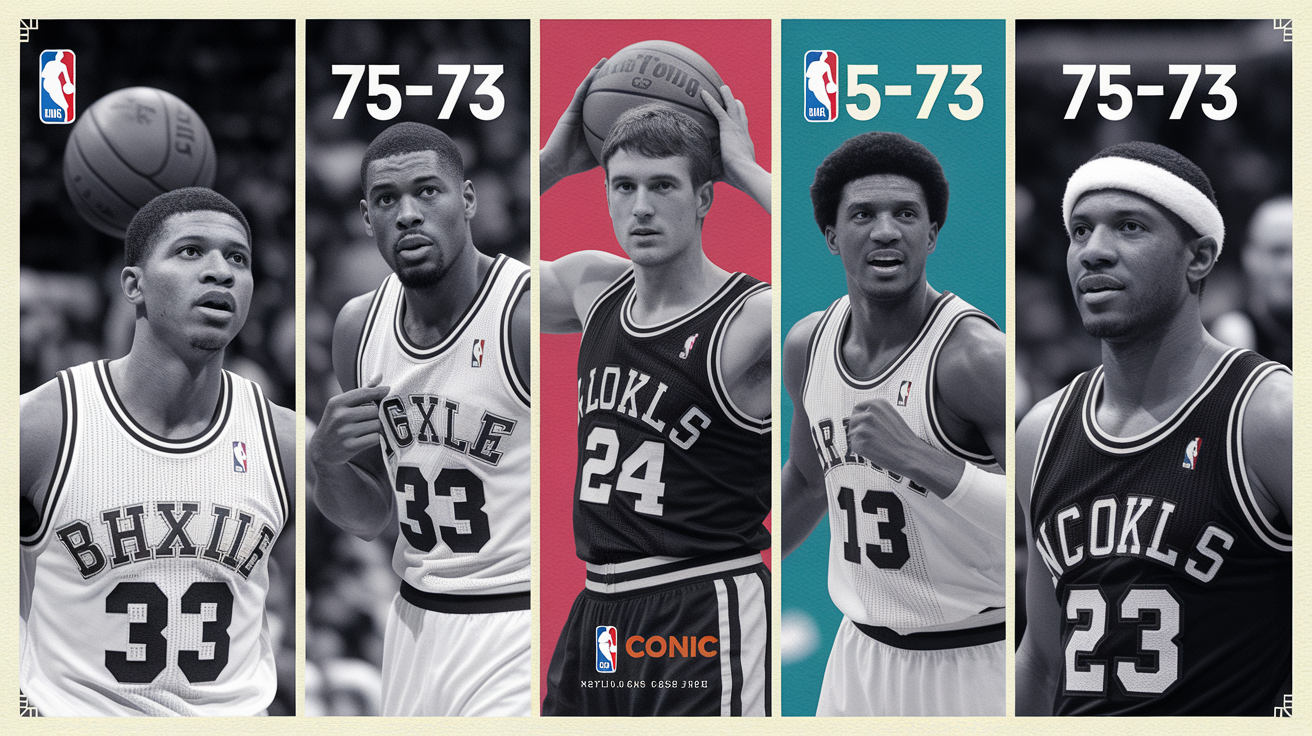
The longest game in NBA history happened January 6, 1951. Indianapolis Olympians defeated the Rochester Royals 75–73 after six OT periods. Total playing time hit 78 minutes. That record’s still standing more than 70 years later.
Several modern playoff games have stretched into multiple OTs too. In 2016, Portland Trail Blazers and Denver Nuggets played four overtimes in a regular-season game. Portland won 140–137. The Boston Celtics and Phoenix Suns played a triple-OT Finals game in 1976. One of the most famous postseason contests ever.
Notable multi-OT games in NBA history:
- 1951: Indianapolis Olympians vs. Rochester Royals, six overtimes, 75–73 final
- 1953: Boston Celtics vs. Syracuse Nationals, four overtimes, playoff game
- 2016: Portland Trail Blazers vs. Denver Nuggets, four overtimes, 140–137 regular season
Rule changes over the decades have adjusted timeout allocations and foul thresholds. But the 5-minute OT period? Been standard since the league’s early years. The jump-ball start replaced earlier alternating-possession experiments in the 1970s.
Comparing NBA Overtime Rules to NCAA, FIBA, and WNBA Formats
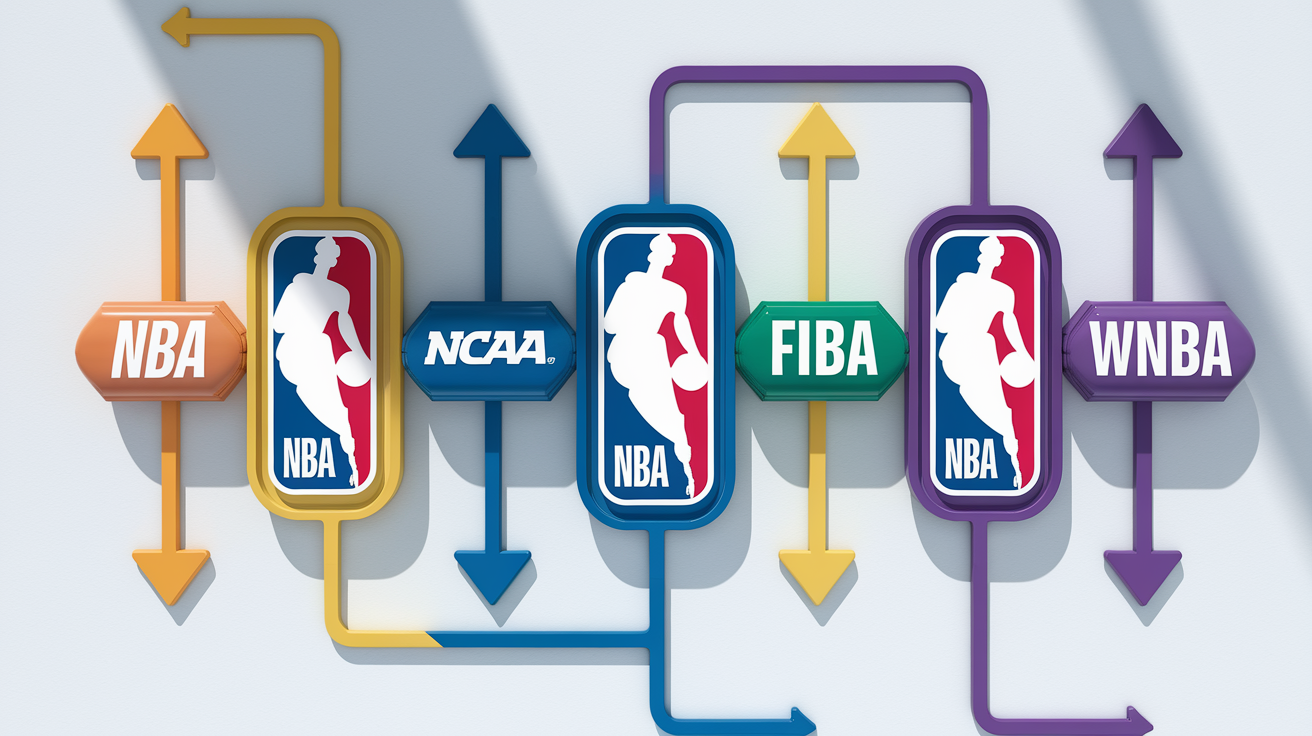
Most major basketball leagues use 5-minute OT periods. But how possessions start and how fouls get administered? That varies. The NBA, NCAA, FIBA, and WNBA all play 5-minute overtimes. Their restart procedures and bonus rules differ in small but real ways.
The NCAA uses an alternating-possession arrow instead of a jump ball to start OT. Whichever team’s due for the next possession under the arrow gets the ball at halfcourt. FIBA follows a similar approach. The WNBA mirrors the NBA’s jump-ball start, making it the only other major league to use a live center-court tip.
Foul bonus thresholds differ too. The NCAA enters the one-and-one bonus on the seventh team foul in OT, then switches to two shots on the tenth. FIBA awards two free throws starting with the fifth team foul in OT. The WNBA uses the same bonus structure as the NBA. Bonus free throws begin on the fourth team foul, with an extra trigger on the second foul in the final 3 minutes.
| League | OT Length | Possession Start | Notable Rule Difference |
|---|---|---|---|
| NBA | 5 minutes | Jump ball at center court | Bonus on 4th foul; 2nd foul in final 3 minutes |
| NCAA | 5 minutes | Possession arrow (alternating) | One-and-one on 7th foul; double bonus on 10th |
| FIBA | 5 minutes | Possession arrow (alternating) | Bonus starts on 5th team foul |
| WNBA | 5 minutes | Jump ball at center court | Same bonus structure as NBA |
Final Words
Buzzer hits, score tied, overtime kicks in.
It’s a five-minute period that starts with a jump ball after a short (130-second) break. No sudden death: OTs repeat until a team leads, and clock rules mirror a short quarter.
Player fouls carry, team fouls reset, each side gets two timeouts, and challenges are limited.
NBA overtime rules explained should leave you ready when the game goes extra. Extra minutes, extra drama, and usually more fun. Worth watching every extra second.
FAQ
Q: How does overtime work in an NBA game?
A: The overtime in an NBA game happens when scores are tied after four quarters; each OT is five minutes, starts with a center‑court jump ball after a brief break, and repeats until one team leads.
Q: Who are the 4 NBA billionaires?
A: The four NBA billionaires commonly cited are Steve Ballmer, Joe Tsai, Mark Cuban, and Dan Gilbert, though several other team owners also exceed billionaire status.
Q: Why can’t you wear 69 in the NBA?
A: The reason you can’t wear 69 in many basketball settings is its sexual connotation; the NBA generally discourages lewd or offensive numbers, so teams and league approval usually blocks it.
Q: What is the most watched basketball game of all time?
A: The most watched basketball game of all time is widely considered Game 6 of the 1998 NBA Finals (Chicago Bulls vs. Utah Jazz), drawing about 35.9 million U.S. viewers.