
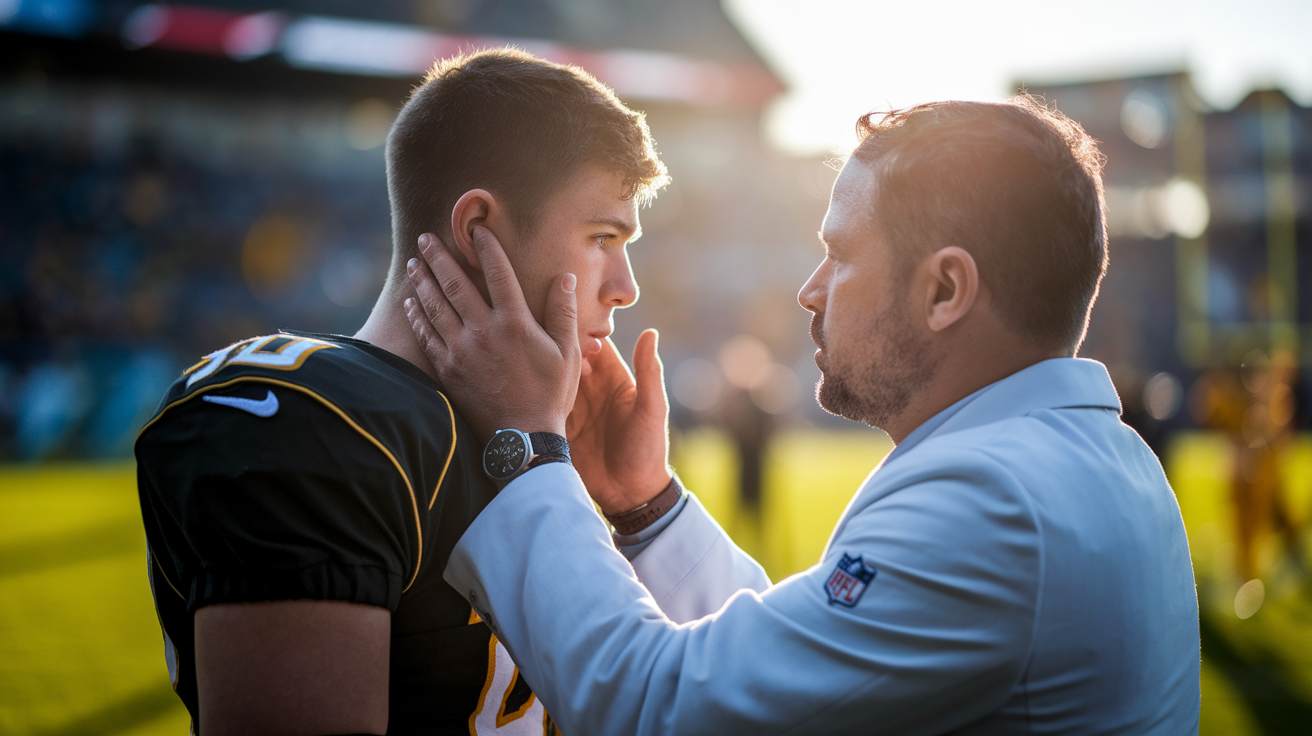

Is the NFL doing enough to protect players’ brains?
The league uses a five-phase return-to-play process, from rest to full contact, and you can’t skip steps.
Progression is based on symptoms, testing, and two medical sign-offs: the team physician and an Independent Neurological Consultant (an outside specialist).
Most recoveries land between 7 and 21+ days, with a median of about 9 days and 59% of players missing at least one game.
This post breaks down each phase, what tests matter, and why timelines can stretch so teams, fantasy managers, and fans know what to expect.
Core Breakdown of the NFL Concussion Protocol and Typical Return Timelines
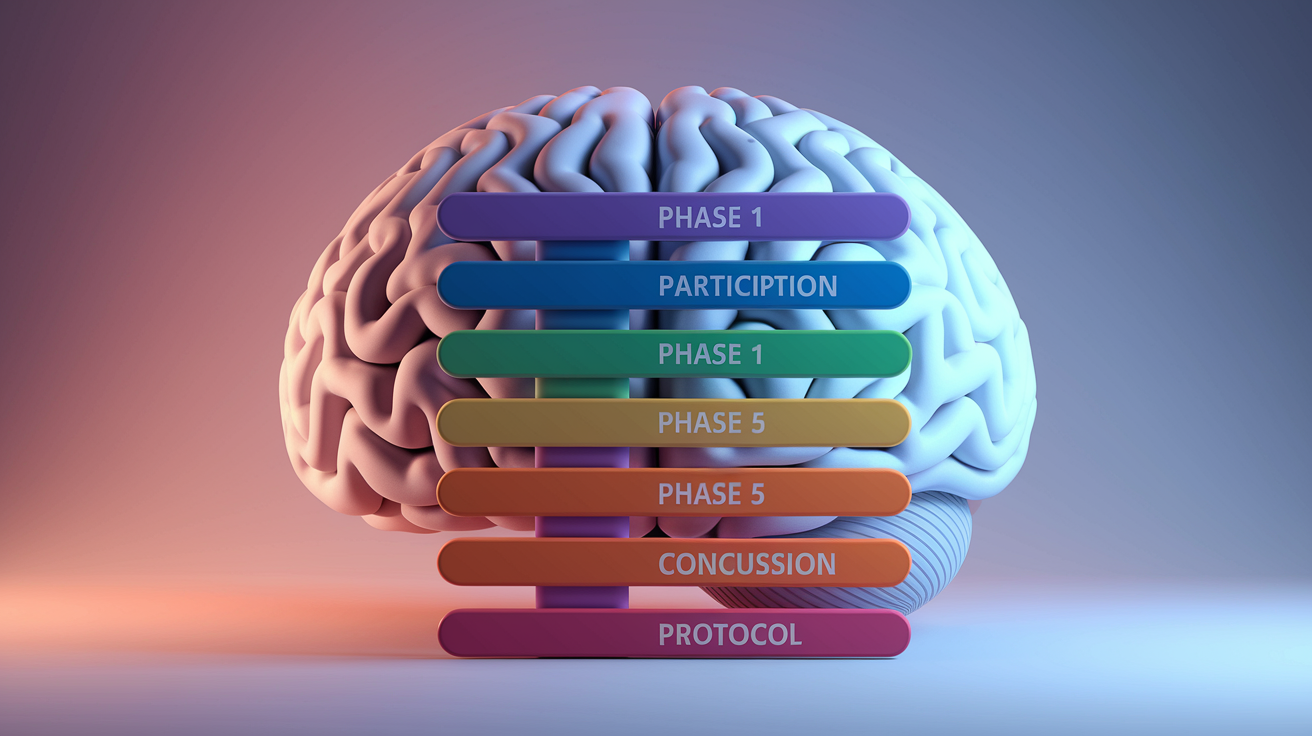
The NFL’s Return-to-Participation process runs through five distinct phases, each one ramping up in intensity. It starts with symptom-limited rest and works toward aerobic activity, football drills, non-contact team work, and eventually full clearance for contact. You can’t skip ahead. If symptoms stick around or testing shows problems, the timeline stretches. The whole thing operates on one rule: your brain recovers when it’s ready, not when the depth chart needs you back.
Clearance requires two signatures. The team physician tracks progress through each phase, but final approval comes from an Independent Neurological Consultant—someone with no team ties who reviews symptoms, test results, and how you handled each step. This split exists to keep competitive pressure out of medical calls.
Recovery timelines typically land somewhere between 7 and 21+ days, though it varies widely. Study data from 2015 through 2020 found a median of 9 days, with 59% of players missing at least one game. Mild cases often clear up in 7 to 10 days, meaning you miss one contest. More complicated injuries can stretch into weeks or longer. There’s no standard clock.
The five phases break down like this:
- Symptom-Limited Activity – Rest with minimal physical or mental strain. Light stretching is okay if it doesn’t make things worse.
- Aerobic Exercise – Supervised cardio on a bike or treadmill, plus dynamic stretching and balance work. You need to hit your baseline symptom level to move forward.
- Football-Specific Exercise – Sport drills and strength training, capped at 30 minutes. Neurocognitive testing usually happens here.
- Club-Based Non-Contact Drills – Full team participation without hitting. You must pass neurocognitive and balance tests.
- Full Football Activity/Clearance – Complete practice with contact, or simulated contact if the schedule doesn’t allow live hitting. Final medical sign-off required.
In‑Game Identification and Assessment Within the NFL Concussion Protocol

Every NFL game has three Unaffiliated Neurotrauma Consultants and two booth Athletic Trainer Spotters per team. The UNCs work from the sidelines and a dedicated booth with multi-angle video access, scanning for any sign of head trauma. The booth spotters watch live action and replays, ready to stop play or pull a player for evaluation. This layered system catches injuries that might get lost in the chaos—hits away from the ball, delayed reactions that show up a few plays later.
When a player displays visible signs or reports symptoms, removal is immediate. The Sideline Concussion Assessment starts right there, run by team medical staff and a UNC. If anything raises concern, the player enters the full five-phase protocol and can’t return that day. Delayed recognition happens often. Adrenaline and game focus can mask symptoms in the moment, and many concussions only get identified post-game when players self-report headaches, nausea, or cognitive fog once the intensity drops.
Common visual and behavioral signs that trigger sideline evaluation:
- Loss of consciousness or slow return to feet after contact
- Disorientation, confusion about play calls, or trouble recalling recent events
- Balance issues, stumbling, or uncoordinated movement
- Blank stare, delayed verbal responses, or glassy eyes
- Holding the head, signaling pain or discomfort
- Visible motor instability or unusual sideline behavior
NFL Concussion Protocol Phases and Advancement Criteria
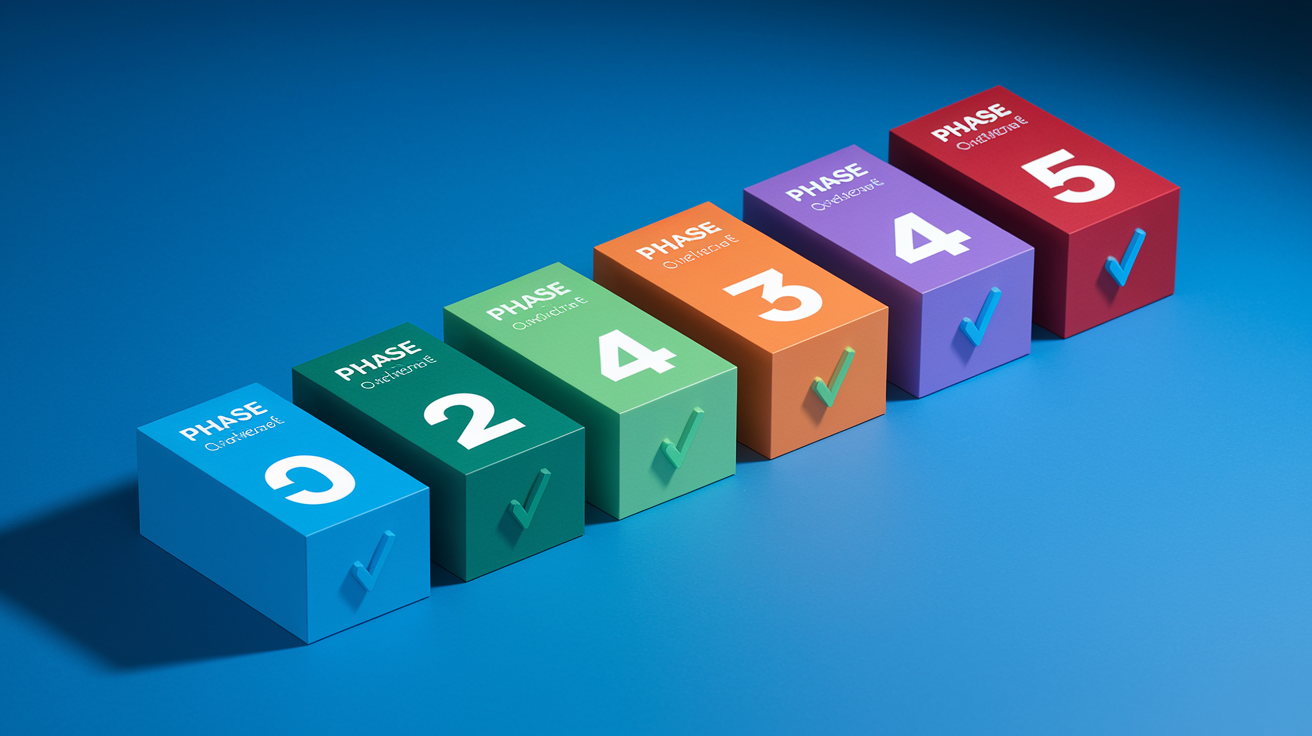
Phase 1: Symptom-Limited Activity
Rest with strict activity limits. Players avoid physical and cognitive tasks that worsen symptoms. No heavy exertion, limited screen time, restricted meeting participation if it triggers headache or fog. Light stretching and brief walks are fine if they don’t cause setbacks. The goal is a low-stimulation environment while monitoring how symptoms evolve. Moving to Phase 2 requires stable or improving symptoms plus medical clearance to start light exercise.
Phase 2: Aerobic Exercise
Supervised cardio begins—stationary bike, treadmill, or elliptical at moderate intensity. Dynamic stretching and balance training get added to check vestibular function. All activity is monitored by team medical staff, and you must report any symptom spikes immediately. To advance, you need to return to your preseason baseline symptom level and tolerate exertion without headache, dizziness, or cognitive trouble. This phase typically lasts at least one day but can stretch longer if symptoms come back.
Phase 3: Football-Specific Exercise
Sport-specific movement and strength training enter the picture—position drills, route running, throwing mechanics, or agility work, capped at 30 minutes per session. Neurocognitive testing often happens during or after this phase to check memory, reaction time, and processing speed against baseline measurements. If testing shows lingering cognitive impairment, you can’t advance and retests get scheduled at agreed intervals—usually 48 hours—until results normalize or a non-concussion explanation surfaces.
Phase 4: Club-Based Non-Contact Drills
Full participation in team activities starts, minus contact. Players run plays, engage in positional drills, and complete conditioning work alongside teammates. Neurocognitive and balance testing must be passed at this stage if not already cleared in Phase 3. You must tolerate the increased cognitive load—play recognition, communication, tempo—without symptom return. This phase confirms your brain can handle football-speed decision-making before physical collisions come back into the mix.
Phase 5: Full Football Activity and Clearance
The final step requires full-contact practice participation. If the practice schedule or collective bargaining rules prevent live hitting, simulated contact—controlled thud drills or situational work—can satisfy the requirement. You must complete this phase without any sign of symptom recurrence. Once the team physician approves, the case moves to the Independent Neurological Consultant for final review and clearance to return to games.
| Phase | Key Activity | Clearance Requirement |
|---|---|---|
| Phase 1 | Rest, limited cognitive/physical strain | Stable or improving symptoms |
| Phase 2 | Supervised cardio, stretching, balance work | Return to baseline symptom level |
| Phase 3 | Football drills ≤30 min, neurocognitive testing | Normal cognitive test or scheduled retest |
| Phase 4 | Non-contact team drills, pass neurocognitive/balance tests | No symptom return under team tempo |
| Phase 5 | Full contact or simulated contact | Team physician + Independent Neurological Consultant approval |
Role of Independent Neurological Consultants and Testing in NFL Concussion Recovery

The team physician oversees day-to-day progression—monitoring symptoms, supervising exercise phases, ordering tests—but doesn’t have final say on return. That authority sits with the Independent Neurological Consultant, a specialist with no financial or employment connection to the club. The INC reviews all symptom logs, test results, and phase completion records before clearing a player for game action. This two-layer structure keeps conflicts of interest out and ensures competitive pressure doesn’t override medical judgment.
Baseline neurocognitive and balance testing, conducted during preseason, provides individualized reference points. Computerized tests measure reaction time, memory recall, processing speed, and impulse control. Balance assessments track postural stability and vestibular function. Post-injury scores get compared directly to your own baseline rather than population norms, accounting for individual variability. If post-injury testing reveals deficits, you can’t advance until retests—typically spaced 48 hours apart—show return to baseline or a clear non-concussion explanation emerges.
Testing has limits. Motivated athletes can sometimes manipulate baseline results to create lenient comparisons, and cognitive tests capture only a narrow slice of brain function. Balance and reaction-time scores can normalize while subtler executive-function or emotional-regulation issues persist. That’s why the protocol pairs objective testing with symptom monitoring and clinical judgment. No single metric drives the decision, and consultants look for convergence across multiple data points before clearing return.
Typical NFL Concussion Recovery Timelines and Factors That Influence Them

Most mild concussions resolve within 7 to 10 days, allowing players to miss a single game and return the following week. Average cases stretch to 10 to 14 days, often resulting in two or three games missed depending on the schedule. Prolonged recoveries—those lasting 21 days or more—occur when symptoms persist or testing remains abnormal. The 2015 to 2020 study period showed a median recovery of 9 days and that 59% of concussed players missed at least one game, with a portion sidelined for multiple weeks or the remainder of the season.
Timeline variability is driven by symptom behavior. A player who becomes asymptomatic within a few days and passes baseline testing quickly can move through the five phases in about a week. A player with lingering headaches, cognitive fog, or balance trouble gets stuck at earlier phases until those symptoms resolve. Severity at onset matters. Players who lose consciousness, show confusion, or have prolonged post-traumatic amnesia tend to take longer. But even seemingly mild hits can produce stubborn symptoms that defy prediction.
Common symptoms that halt progression:
- Persistent headache – ongoing pain that worsens with exertion or cognitive load
- Nausea or dizziness – vestibular dysfunction that prevents safe movement
- Balance problems – inability to pass postural stability tests or self-reported unsteadiness
- Memory or concentration issues – failure to return to baseline on neurocognitive tests, trouble recalling plays or instructions
- Sensitivity to light or noise – environmental triggers that indicate ongoing brain irritability
Game‑Day vs Post‑Game Evaluation Differences in the NFL Concussion Protocol
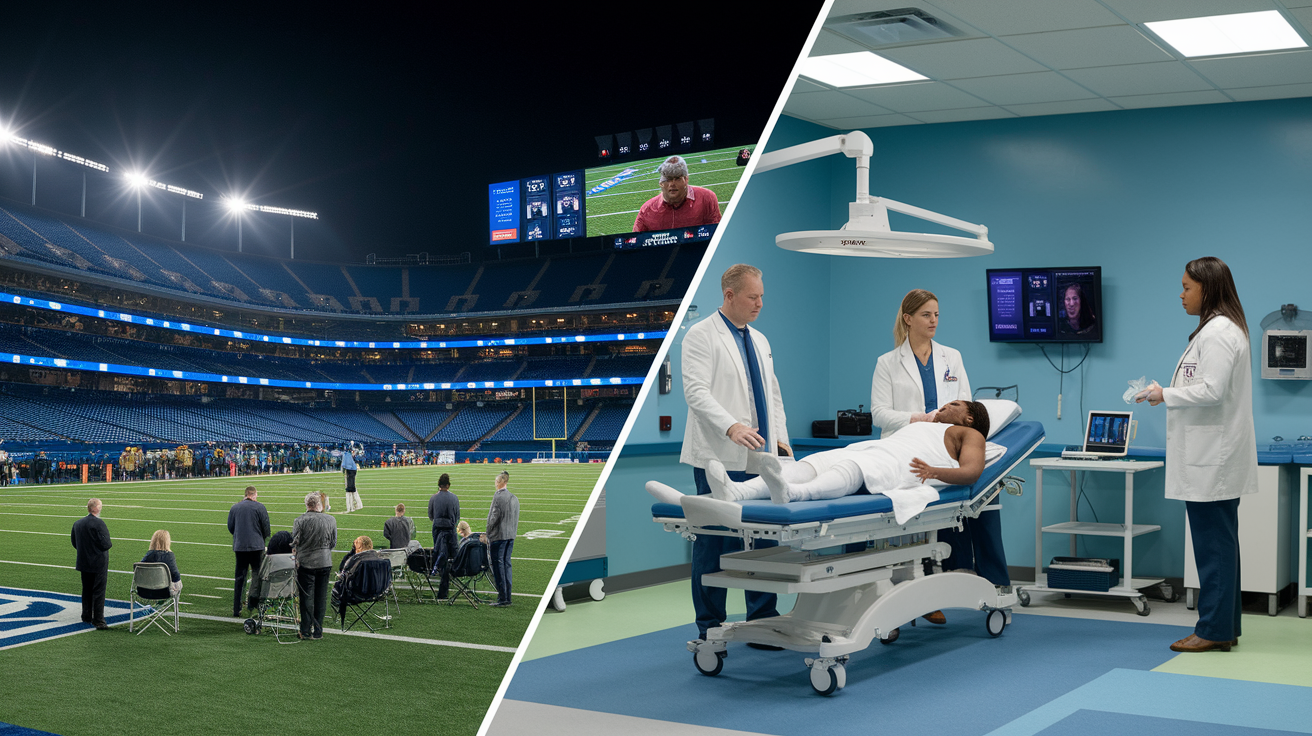
Game-day evaluation is built for speed and immediate identification. Unaffiliated Neurotrauma Consultants and booth spotters monitor every play with real-time video access, looking for signs that warrant immediate removal. When a player gets flagged, the Sideline Concussion Assessment begins on the spot—a standardized screening that checks orientation, memory, balance, and symptom presence. If the assessment raises concern, the player is ruled out for the remainder of the game and enters the five-phase return process. The emphasis is rapid triage under high-pressure, high-visibility conditions.
Post-game evaluation captures what game-day systems miss. Adrenaline and competitive focus can suppress symptom awareness during play, and many concussions only become apparent after the final whistle when headaches, nausea, or cognitive fog emerge. Players often self-disclose hours after a game, or team medical staff identify delayed symptoms during routine post-game checks. Once identified, the full protocol applies regardless of when the injury was recognized. There’s no shortcut for late diagnoses. This delayed-onset reality is why surveillance continues well beyond the final snap.
Real NFL Examples Demonstrating Return Timelines
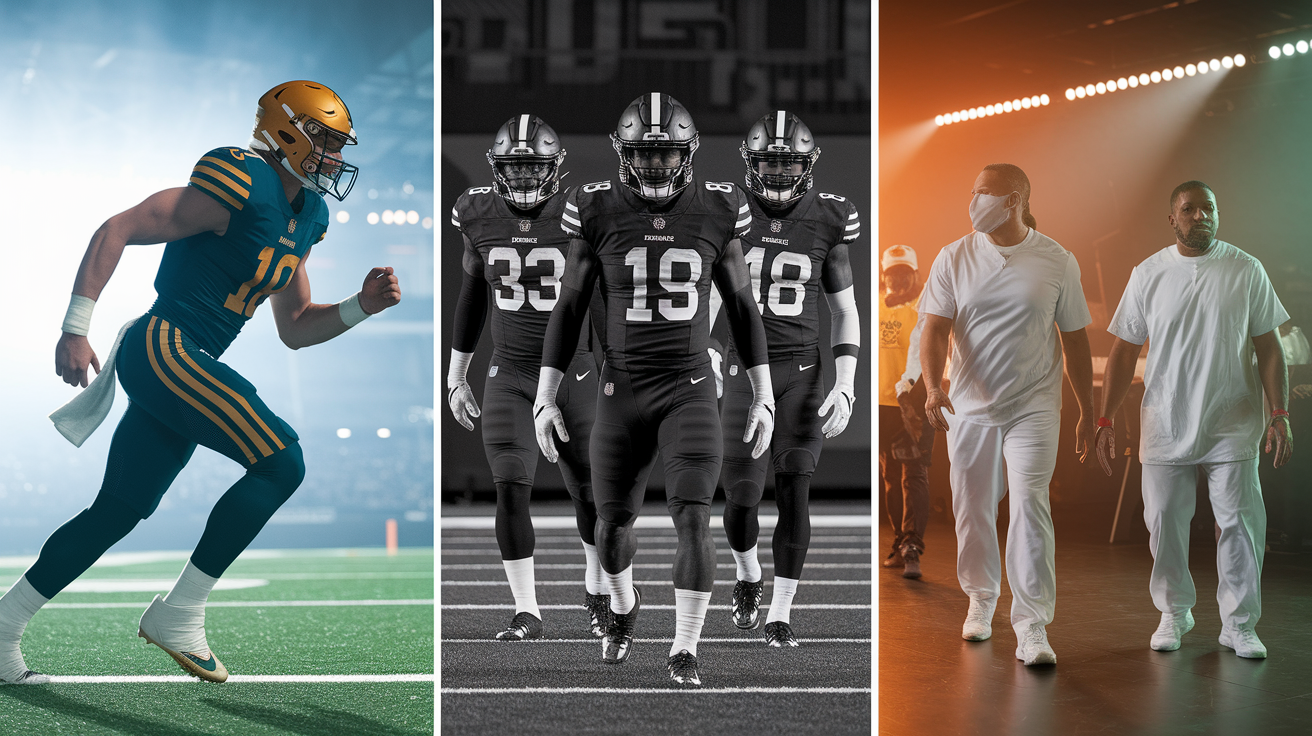
Quick-resolution cases show the protocol’s lower bound. A player who takes a clean hit with brief disorientation, becomes asymptomatic within five days, and passes all testing can advance through the five phases in about a week—missing one game and returning for the next contest. These cases represent the best-case scenario: no prior concussion history, mild symptom load, and straightforward recovery. The short timeline reflects genuine healing, not corner-cutting.
Extended timelines are common when symptoms linger. A player who reports persistent headaches for 10 to 14 days can’t progress past early aerobic phases until the pain resolves. Once symptoms clear, the player still needs time to complete football-specific drills, pass neurocognitive tests, and participate in full-contact work. Total recovery in these cases stretches to 2 to 3 weeks, resulting in multiple games missed. Coaching staff typically avoid public speculation on return dates because symptom evolution is unpredictable. What looks like a one-week absence can extend if setbacks occur.
Prolonged and season-ending cases illustrate the protocol’s upper bound. A recent-season example involved a quarterback who continued playing after a late-game tackle, completed 10 additional plays, then self-disclosed symptoms post-game and entered the protocol. His return timeline remained uncertain for weeks because symptoms didn’t follow a clean downward trend. Cases like this—where cognitive fog, balance trouble, or recurring headaches persist beyond 21 days—can result in multi-week or multi-month absences. Some players never clear the protocol during a given season, underscoring that brain recovery doesn’t bend to roster needs or playoff schedules.
Final Words
On the sideline, players move through five clear phases — symptom-limited activity, aerobic work, football-specific exercise, non-contact drills, then full clearance — with both the team physician and an Independent Neurological Consultant signing off.
Most returns land in the 7–21+ day window (median nine days); mild cases often resolve in 7–10 days, and 59% of players miss at least one game.
Understanding how NFL concussion protocol works and typical return timelines gives fans and fantasy managers a realistic baseline, and it shows the system is built to help players come back safer and stronger.
FAQ
Q: How long does it take for an NFL player to return under the NFL concussion return-to-play timeline?
A: The NFL concussion return-to-play timeline typically runs 7–21+ days (median nine days); mild cases often resolve in 7–10 days. Players advance through five progressive phases and need team physician plus Independent Neurological Consultant sign-off.
Q: What is the NFL concussion protocol timeline and return-to-play process?
A: The NFL concussion protocol timeline uses five phases: symptom-limited activity, aerobic work, football-specific exercise, non-contact team drills, and full clearance, with progress based on symptom relief and testing.
Q: What is the 20 20 20 rule for concussions?
A: The 20 20 20 rule for concussions advises taking a break every 20 minutes to look at something 20 feet away for 20 seconds, easing visual strain and reducing screen-triggered symptoms during recovery.