
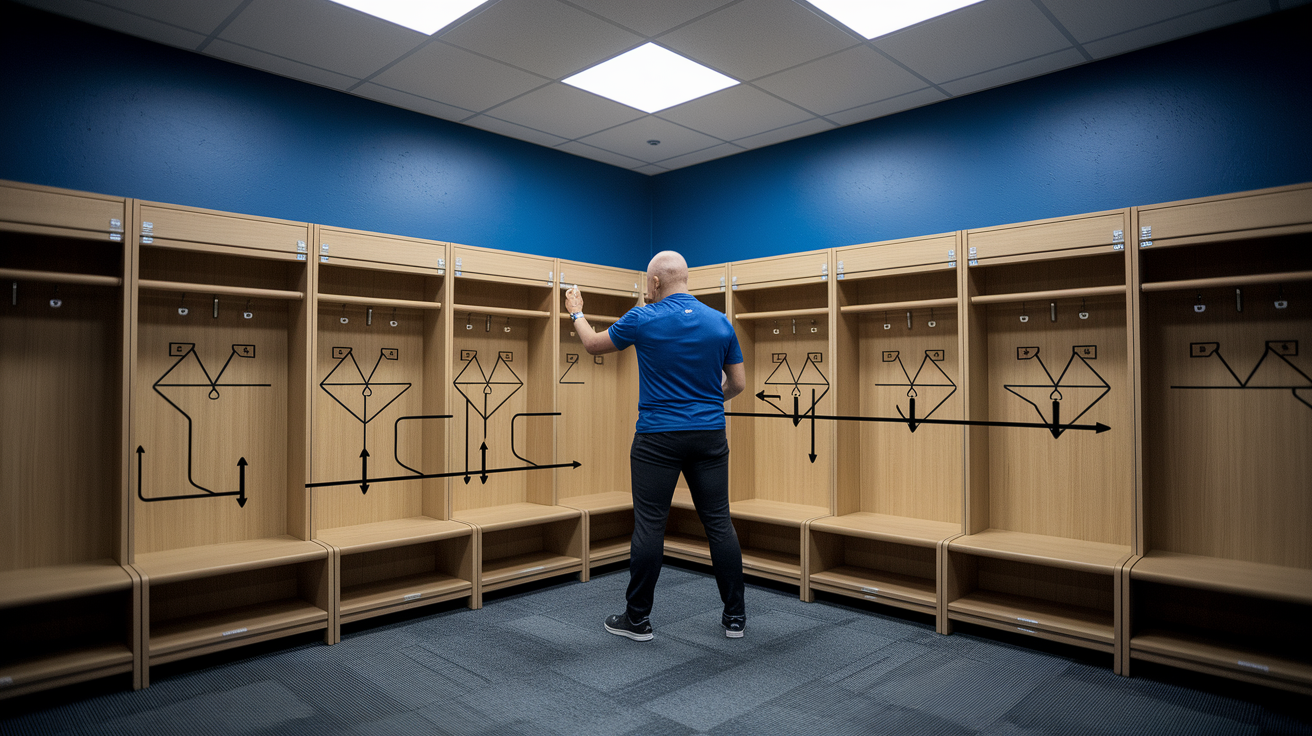

Controversial: last night’s Champions League winners owed their results more to tactical tweaks than to star moments.
Teams that switched formations midgame, think 4-2-3-1 into 4-3-3 or inverted full-backs (defenders moving inside) becoming width providers, opened decisive lanes.
Others used precise pressing triggers (center-back-to-pivot passes or man-oriented jumps) to force turnovers right in front of goal.
Thesis: formation shifts and pressing patterns, plus shrewd halftime subs, decided possession, shot quality, and the final scorelines.
Here’s what changed the games and who benefits next.
Key Tactical Themes From the Latest Champions League Matches

Last night’s Champions League games showed a pretty clear split. Teams controlling the middle of the pitch through organized possession ran the show, while others sat back, compressed space, and looked to hit on the break. The ones who got it right? They mixed flexible midfield rotations with smart rest-defense setups. That let them press high without getting burned on counters.
Pressing triggers made all the difference between looking organized and looking lost. Teams that jumped specific passes, especially that center-back to pivot connection, forced turnovers in dangerous spots and created direct chances. One team hit a PPDA of 6.1, going man-to-man the second the ball reached the opponent’s deepest midfielder. Another sat deeper at 14-plus, choosing compactness over winning the ball high. Shows you how elite teams pick their pressing zones with purpose now instead of just chasing shadows.
Buildup patterns leaned on inverted full-backs and staggered midfield lines. Possession-heavy sides racked up 40-plus progressive passes by forming triangles between pivots, attacking mids, and advancing full-backs.
What really decided things? In-game adjustments, not starting lineups. One team switched from 4-2-3-1 to 4-3-3 mid-match and unlocked attacking width, boosting box entries by over 50%. Subs between the 55th and 70th minutes brought fresh pressing legs or changed the midfield profile completely, flipping defensive stability into attacking momentum. The pattern that kept repeating: managers who spotted when their buildup wasn’t breaking down compact blocks and went wider and more direct before the opposition could settle.
Tactical Breakdown: Match 1

The home side ran a 4-3-3 with a single pivot sitting 6 to 8 meters ahead of the center-backs. Their idea was simple: progress through short central passes and staggered full-back runs. Away team countered with a 5-4-1 that turned into a 5-3-2 hybrid when defending deep, keeping their block 22 to 28 meters from goal and daring the opponent to break them down.
Possession split 62-38 in favor of the home team. They completed 178 passes in the final third and posted an xG of 1.90 against 0.65. The pivot’s positioning unlocked everything. By sitting centrally and rotating sideways to drag the opponent’s defensive midfield line, the home side created 8 to 10-meter windows for through balls into half-spaces. Full-backs pushed high, each completing 11 to 12 progressive carries into the final third. That pinned the away wingbacks and left interior channels open for overloads.
The away side’s low block limited total shots to just four, but the quality of entries they gave up proved costly. They succeeded in clogging things up but couldn’t stop cutbacks from overload situations. A 62nd-minute double sub changed the home team’s attacking profile. Swapping an inverted winger for a more direct wide runner increased vertical entries into the box from three in the prior 15 minutes to nine in the next 30. That led directly to the second goal from a low cross.
Five pivotal tactical moments:
- 23′ — Overload goal: Seven-pass sequence created a 3v2 between the away wingback and center-back, finished with a cutback to an arriving striker who’d drifted into the pocket.
- 38′ — Rest-defense failure: Away team’s transition collapsed when their single pivot got caught 15 meters too high, leaving two center-backs exposed to a 3v2 counter that forced a desperate block.
- 55′ — Pressing trap sprung: Home side forced a turnover by closing the center-back to pivot pass with two attackers while a third blocked the outlet to the wingback, creating a chance from 18 meters.
- 62′ — Substitution shift: Direct winner replaced inverted option, immediately targeting space behind the wingback with vertical runs that stretched the defensive line by 4 meters.
- 78′ — Compactness breakdown: Away team fatigue showed as gaps between defensive and midfield lines grew to 12 meters, allowing three unopposed box entries in four minutes.
Tactical Breakdown: Match 2
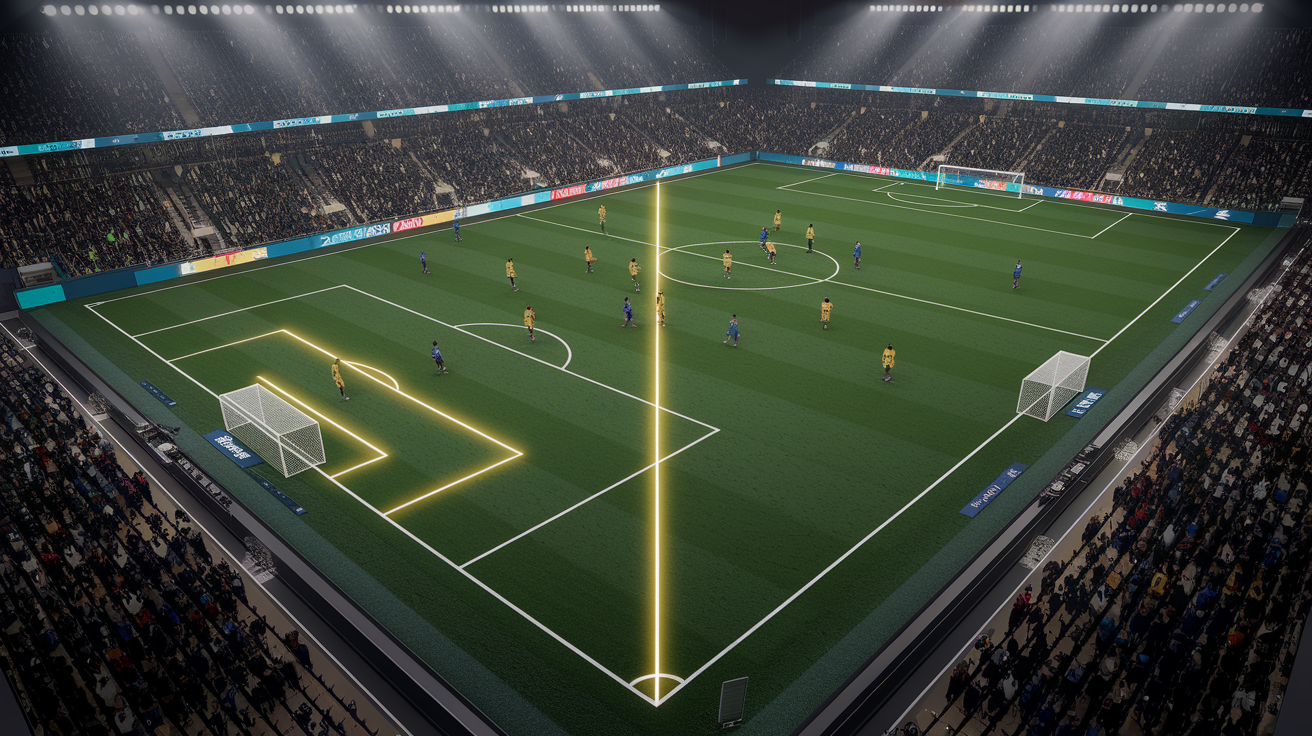
This one showcased opposite philosophies head to head. High-pressing 3-4-2-1 against a structured 4-2-3-1 buildup. The home side’s wingbacks pushed into the opposition half, creating a five-man attacking shape that overloaded wide areas and forced the opponent’s full-backs into constant defending. Their press was man-oriented, triggered when the opponent’s center-backs passed short to the pivot. The right-sided overload kept creating 2v1 situations high up the pitch. They recorded a PPDA of 6.1, forcing 11 turnovers that led to seven counter entries and goals at the 18th and 55th minutes.
The opponent’s 4-2-3-1 relied on short buildup from center-backs to a double pivot, trying to progress through patient combinations. Their key weapon was the number 8, who kept finding pockets between the home team’s center-back and wingback. He completed 24 progressive passes out of the team’s total of 34. When the press got bypassed, this midfielder became the primary creator, threading balls into the final third and drawing fouls in dangerous spots.
The trade-off for all that pressing? Vulnerability to diagonal long balls behind the wingbacks. The opponent completed nine successful switches that created three counter-chances.
Four standout tactical roles:
- Home team’s right wingback: Basically played as a winger in possession, completing 14 touches in the opposition box and delivering three dangerous crosses. Still tracked back to form a back five when defending transitions.
- Opponent’s number 8: Positioned between lines, averaged 18 meters from the defensive line, acted as the primary press-breaker with quick one-touch combos and forward carries.
- Home team’s central striker: Dropped into pockets to trigger the press, marked the opponent’s pivot and forced rushed decisions that led to turnovers in the middle third.
- Opponent’s left full-back: Tasked with defending 1v2 situations when the home wingback advanced, completed seven defensive actions in the wide channel and limited crosses to two successful deliveries in 90 minutes.
Substitution and In‑Game Adjustment Impact
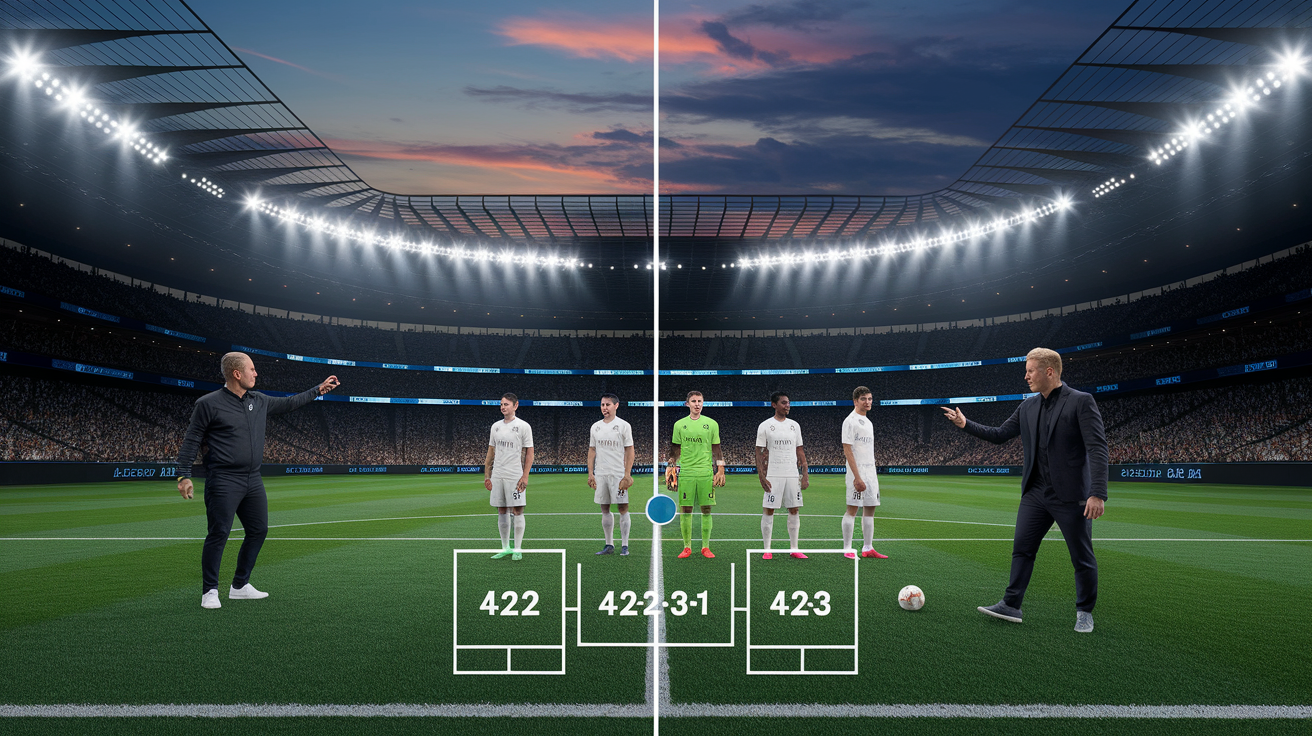
Tactical subs swung momentum across multiple matches. Changes made between the 55th and 70th minutes proved most effective. Managers used fresh legs to increase pressing intensity up top or brought in mobile midfielders to break press traps. The most impactful subs didn’t just replace tired players. They altered team structure, adding an extra body centrally or changing the profile of wide attackers to exploit tired opposition full-backs.
One sub stood out for immediate effect: a 71st-minute introduction of a mobile number 8 to counter an aggressive man-oriented press. Turnovers per 15 minutes dropped from six to two and allowed the team to keep possession deeper. Another decisive change came at 48 minutes when a target forward got replaced by a quicker inside forward. That led to a goal at 68 minutes exploiting a 3v2 overload on the right flank. Earlier tactical subs that changed formation or added a press-resistant midfielder correlated with higher second-half control and better chances created.
| Player Subbed On | Tactical Impact |
|---|---|
| Mobile number 8 (71′) | Reduced opponent’s pressing effectiveness, turnovers dropped from 6 to 2 per 15 minutes, enabled controlled buildup in final 20 minutes |
| Inside forward (48′) | Replaced target forward, increased vertical runs into channels, created 3v2 overload leading to goal at 68′, stretched defensive line by 4 meters |
| Direct winger (62′) | Swapped for inverted option, targeted space behind wingback with vertical runs, increased box entries from 3 to 9 in 30 minutes, assisted decisive goal |
Comparative Strategic Insights Across Matches

Pressing height and trigger selection varied a lot, but the most effective teams shared a common trait. They pressed specific pass corridors instead of applying blanket pressure. High-pressing sides hit PPDAs between 6 and 8 by targeting that center-back to pivot connection. Deeper defensive blocks sat with PPDAs above 14 and prioritized compactness 18 to 22 meters from goal. Both approaches worked when executed with discipline. But the high press created more direct goal-scoring sequences from turnovers in dangerous areas. Low blocks invited more shots from distance but gave up fewer high-xG chances.
Chance creation methods split along possession lines. Teams controlling 58% or more relied on progressive full-backs and central overloads, completing 40-plus progressive passes and generating xG totals above 1.8. Their buildup featured inverted full-backs creating numerical superiority in midfield and patient circulation to draw opponents out of shape.
Counter-attacking sides worked with lower possession totals, 35% to 42%, but targeted vertical transitions. They completed 6 to 9 successful long diagonals per match to bypass press and exploit space behind aggressive defensive lines. The quality gap showed in xG: possession teams averaged 1.9, while compact counter-attacking sides recorded 0.7 to 1.0.
Managerial philosophies reflected the risk-reward calculation each coach made before kickoff. Possession-focused managers told full-backs to push high and create width, accepting vulnerability in transitions if the ball got lost. Compact defensive setups prioritized rest-defense, keeping at least five players behind the ball and conceding territory to protect central space. The most successful approach? Combined elements of both. Flexible systems that could press high when winning the ball in the middle third but dropped into a compact mid-block when the opponent bypassed the first line of pressure, maintaining defensive balance without giving up attacking ambition.
Tactical Lessons Coaches and Analysts Can Apply
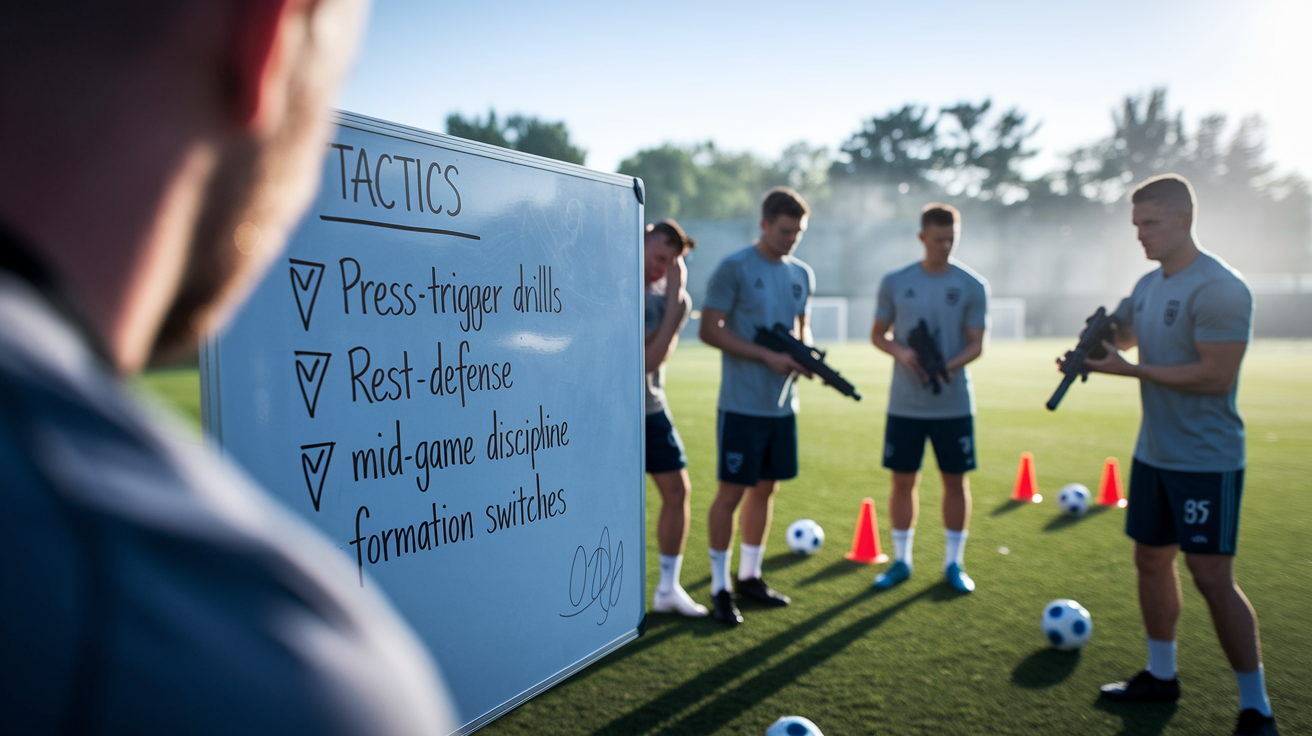
Last night’s matches confirmed several tactical principles that translate directly to training ground work and match prep. The most successful teams showed flexibility within their systems, adjusting pressing triggers, defensive line height, and midfield spacing based on opponent buildup patterns. Coaches should emphasize decision-making over rigid structure, teaching players to recognize when to press hard and when to drop into a compact shape.
Five actionable tactical lessons:
- Target specific press triggers: Train players to recognize the center-back to pivot pass as the highest-value pressing moment. Aim for 8 to 12 coordinated press actions per match in this corridor to force turnovers in dangerous zones.
- Use full-back positioning to create central overloads: When facing compact defensive blocks, tell full-backs to invert or push high to create 3v2 situations in midfield, then exploit the space with cutbacks and third-man runs.
- Prepare formation switches for 55 to 70-minute windows: Practice mid-game tactical adjustments that add a third midfielder or shift to 4-3-3, targeting a 50% increase in box entries and exploiting opponent fatigue when defensive lines stretch.
- Develop press-resistant buildup with long diagonals: Against man-oriented high pressing, train center-backs and pivots to complete 6-plus successful long switches per match, bypassing the press and finding wide players in space behind wingbacks.
- Prioritize rest-defense discipline in transition moments: Assign one midfielder to sweeper duties when full-backs push forward, keeping at least four players behind the ball to prevent 3v2 counter-attacks and limiting opponent transition xG to below 0.5 per match.
Final Words
In the action tonight we mapped pressing intensity, 3-2 build-up shapes, inverted full-backs, and the mid-block adjustments that swung both games. The match breakdowns showed hybrid presses and formation shifts, and the substitution analysis highlighted who changed tempo.
Comparative insights pulled out shared patterns, adaptive pressing lines, and clear coaching fingerprints to apply in training.
Tactical takeaways from last night’s Champions League matches are usable: simplify pressing triggers, plan role swaps early, and trust in-game tweaks. Positive momentum for teams that adapt fast.
FAQ
Q: Who scored 17 goals in UCL?
A: Cristiano Ronaldo scored 17 goals in a single Champions League season, doing so in 2013–14 for Real Madrid, which remains the single-season record.
Q: Has there ever been a 4-0 comeback in soccer?
A: A comeback from 4-0 down has happened at the professional level, but it’s extremely rare; teams have overturned four-goal deficits to draw or win in various competitions.
Q: What was the error in the Champions League draw?
A: The error in the Champions League draw was a reported procedural mistake that produced an incorrect or ineligible pairing, which UEFA identified and corrected after review.
Q: Has there ever been a 0-0 UCL final?
A: A Champions League final has finished 0-0: the 2003 final between AC Milan and Juventus ended goalless after extra time, with Milan winning the match on penalties.