


Want to win your fantasy week?
Treat NFL injury reports like the playbook for your lineup, they tell you who’s likely to play, who’ll be limited, and which backups suddenly matter.
This guide breaks down designations (questionable, doubtful, out, IR), practice trends, and the exact rules for when to start, bench, or pick up a waiver, so you can protect your floor and chase upside intelligently.
We’ll show what to do week to week, and when a late scratch should wreck or save your season.
Understanding Injury Designations in NFL Reports
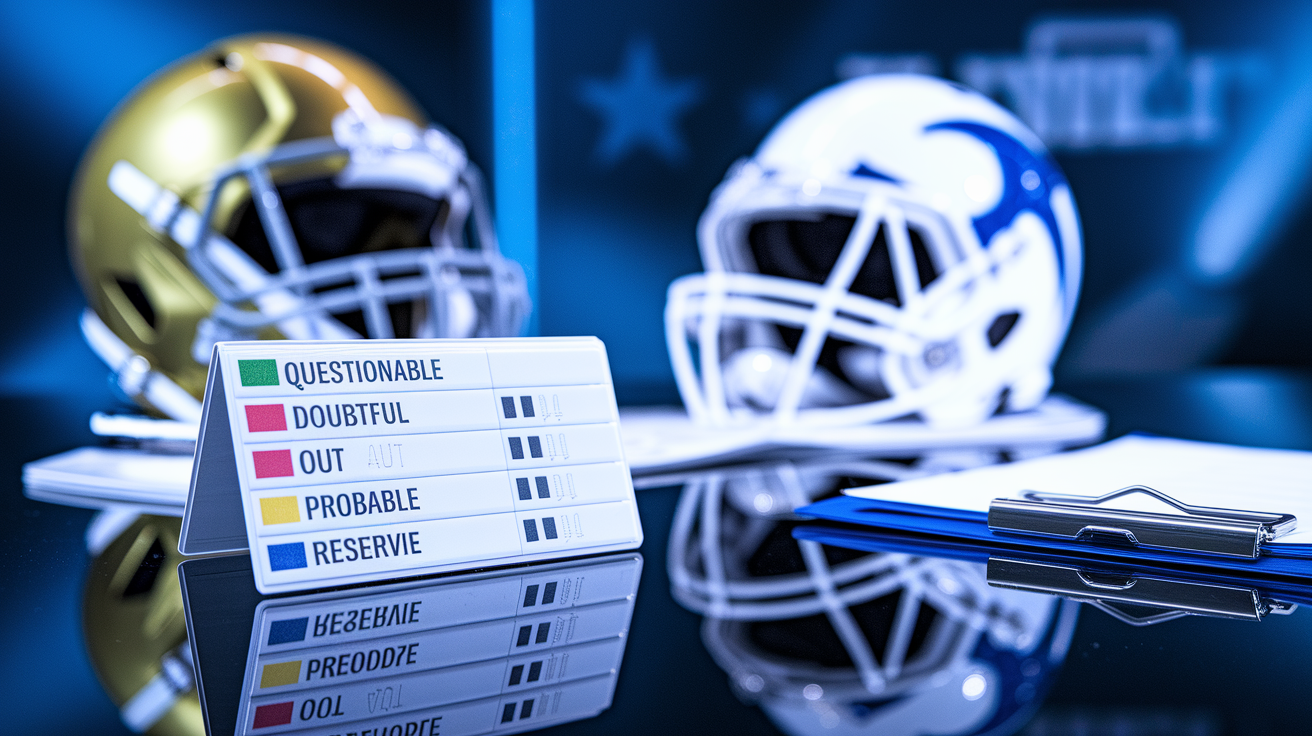
Questionable means about 50/50 odds the player suits up. Doubtful signals less than 25% chance of playing. Out removes all guesswork. The player won’t play. Each designation carries weight, and teams file these labels according to league rules. Injured Reserve indicates a minimum absence, typically four games under current NFL rules.
These tags aren’t perfect predictors. But historical data shows strong trends. Players listed questionable do play about half the time, while doubtful players rarely see the field. Out designations are final. Track how individual players and teams use these labels over multiple weeks. You’ll start seeing patterns. Some coaching staffs lean conservative, others wait until the last moment to downgrade.
Here’s how each designation typically influences your lineup:
Questionable: Start only if your bench options project lower or if recent practice participation signals rising availability. Otherwise pivot to a safer floor.
Doubtful: Bench the player unless your replacement is clearly worse and you need a high-ceiling gamble to win that week.
Out: Never start. Activate the known backup or next-best bench option immediately.
Probable (when used): Safe to start in most matchups. Treat as fully available unless warmup reports suggest setback.
Injured Reserve: Drop or stash based on positional scarcity and playoff timeline. Expect minimum four-game absence.
Use these labels as decision anchors, not absolutes. Cross-reference practice participation and beat-reporter updates to refine probability estimates. When a star running back carries a questionable tag but practiced fully Friday, confidence rises above 50%. When a wide receiver is questionable with three consecutive DNPs, treat the situation closer to doubtful. Combine designation with context, then set your lineup before the inactive list drops about 90 minutes before kickoff.
Weekly Injury Report Schedule and Reporting Rules
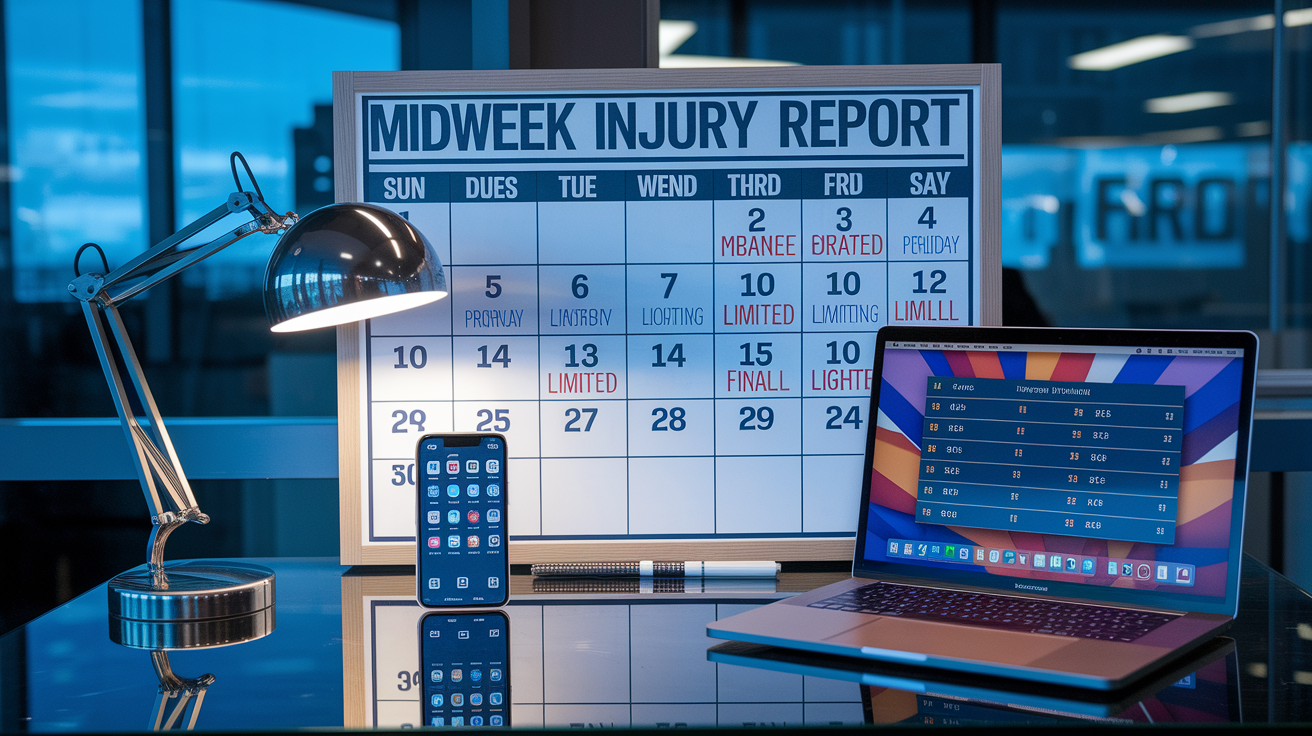
NFL teams release injury reports Wednesday, Thursday, and Friday for Sunday games. Each report lists practice participation (did not practice, limited, or full) alongside the injury type and player designation. Friday’s report includes final status tags: questionable, doubtful, or out. About 90 minutes before kickoff, the league publishes official inactive lists confirming who won’t play. This cadence gives fantasy managers a clear rhythm: monitor midweek participation trends, check Friday designations, and finalize lineups after inactives drop.
Thursday and Monday night games compress the timeline. Teams playing Thursday file reports Monday through Wednesday, with final status due Wednesday. Monday night games follow a similar shift. Prime-time schedules force earlier decisions if your league locks lineups at the first Sunday kickoff. Always confirm your platform’s lock time and plan roster moves accordingly. Waiting for a Monday night inactive list does no good if your lineup froze Sunday at 1 PM Eastern.
Assessing Injury Severity and Player Recovery Trends

Injury type matters as much as designation. Hamstring and groin strains carry high reinjury risk and often sap explosiveness even when the player is active. High-ankle sprains typically sideline skill players three to six weeks and reduce cutting ability for weeks after return. Concussions follow strict protocol with no fixed timeline, creating week-to-week uncertainty. Shoulder and rib injuries rarely prevent participation but can limit throwing mechanics or contact tolerance.
Recovery timelines vary by position and injury history. A running back with a fresh ankle sprain may miss one to two games, but repeated ankle issues suggest longer absence or reduced effectiveness. Quarterbacks recovering from thumb or finger injuries often play through pain with minimal statistical drop, while the same injury hampers a wide receiver’s catch radius. Use past cases as baselines. If similar injuries sidelined players three weeks on average, expect comparable absence unless team reports suggest faster progress.
Limited practice participation signals elevated risk. A player who logs DNP Wednesday, limited Thursday, and full Friday is trending toward active status. Conversely, three straight DNPs into a questionable tag means gametime decision with low confidence. When practices remain limited all week, expect reduced snaps or a decoy role even if the player is active. Track participation across multiple injury reports to separate genuine recovery from placeholder listings.
Identifying Backup Options and Depth Chart Shifts
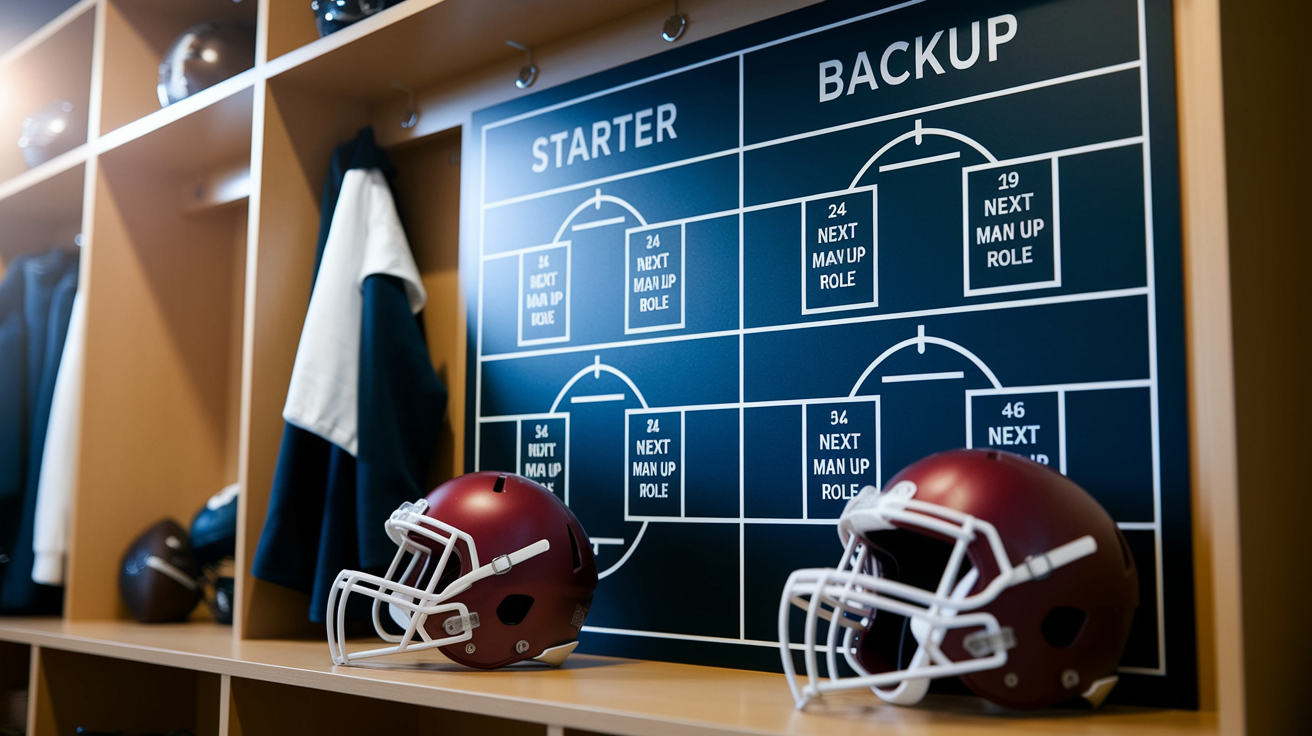
When a starter is doubtful or out, backups absorb significant workload increases. The challenge is identifying which backup gets the volume. Check recent snap shares, target distributions over the last three games, and goal-line or two-minute drill usage. A running back who logged eight carries and three targets in relief last week is a stronger bet than one with zero touches. Wide receivers who ran routes on 60% of passing snaps when the starter rested have clearer roles than occasional special-teams contributors.
Beat reporters and depth charts published midweek clarify committee situations. If a team lists two running backs as co-starters or rotates receivers across multiple injury updates, expect split work. Single clear backups (especially those the coaching staff praises publicly) offer safer floors. Monitor Friday practice reports for elevation clues: a backup taking first-team reps Wednesday through Friday signals imminent starting role.
Key factors for strong backup options:
Recent snap share: Look for 8+ snaps or 5+ targets in prior relief appearances. Higher numbers predict larger role.
Red-zone and goal-line usage: Backs who earned short-yardage or scoring-down work previously are likelier to repeat in expanded roles.
Route participation for receivers: Players who ran routes on 50%+ of dropbacks when the starter sat have defined involvement.
Coaching and beat-reporter signals: Public endorsements, practice-squad elevations, or insider notes about “next man up” increase confidence in a specific backup.
Risk Assessment Frameworks for Lineup Decisions

Separate availability risk from performance risk. A player listed questionable may suit up but operate at reduced efficiency. Soft-tissue injuries often cut explosive plays by 15% to 20% even when the athlete is cleared. Compare the starter’s projected floor if limited against your backup’s expected output. If the gap is two fantasy points or less, the healthier option usually wins. When the injured star’s ceiling remains high and you need upside to overcome a tough matchup, accept the risk. But only if you can afford a zero if he’s ruled out last minute.
Weigh floor versus ceiling based on weekly stakes. Close matchups favor safe floors. Start the healthy backup over the questionable star if projections are within a narrow band. Underdog weeks where you need 20-point performances justify gambling on a high-upside player with injury uncertainty, provided you have contingency options for late scratches. Playoff elimination games or must-win scenarios demand conservative choices. One zero from a surprise inactive can end your season.
Kickoff timing creates decision pressure. Early Sunday games let you wait for 90-minute inactive lists before finalizing lineups. Late-afternoon or prime-time players increase risk if their status remains unclear past the early lock. When your star plays the late window and is listed questionable Friday, identify an early-game pivot with comparable floor. If the star is downgraded to out after 1 PM kickoffs, you’re stuck unless your league allows late swaps. Always stage backups in flex spots when possible, preserving positional flexibility until the last responsible moment.
Common Fantasy Decision Scenarios Involving Injuries

Your RB1 is questionable with a hamstring strain, limited practices all week, and plays Sunday at 4:25 PM. Your bench holds a healthy RB2 in the 1 PM window with a decent matchup. The hamstring tag suggests reinjury risk and reduced burst even if active. If analytics estimate the starter’s floor drops to 8 points and the backup projects 10, start the backup early. Waiting risks a late scratch with no pivot available.
A top-tier wide receiver is listed questionable Friday after practicing fully Thursday and Friday. Beat reporters confirm he’s expected to play, and the designation feels precautionary. The backup receiver is a low-ceiling WR3. Here, confidence tilts toward starting the star. Full practices signal readiness, and the upside gap is wide. Monitor warmups and inactive lists, but lean on the practice trend.
Your starting quarterback is doubtful with a shoulder injury. The backup QB averaged 15% fewer fantasy points in prior starts. You have a mid-tier streamer available on waivers with a favorable matchup. Doubtful means less than 25% chance of playing. Bench the starter, pick up the streamer, and take the known floor. Quarterbacks are too volatile to gamble on long-shot availability.
The Thursday night game features your flex option listed questionable Wednesday with a knee issue. Practice reports won’t finalize until Wednesday afternoon, and your league locks Thursday at 8:20 PM. If Wednesday brings limited participation and no clear upgrade, pivot early to a Sunday player with safer status. Thursday games compress decision windows. When doubt remains after final practice, choose the healthier alternative rather than guessing on a short week.
Final Words
With lineups due and practice reports dropping, the Wednesday-Friday tags force decisions: questionable, doubtful, and out aren’t just labels — they’re signals for who plays and who sits.
Weigh injury type, practice participation, and backup readiness to set a safer lineup. If a starter looks limited, lock the handcuff or high-floor fill.
Mastering how injury reports influence fantasy football lineup decisions gives you an edge late in the week. Stay alert, pivot when the evidence points, and enjoy the matchup.
FAQ
Q: What injuries affect fantasy football?
A: The injuries that affect fantasy football include soft-tissue (hamstring), concussions, ankle and knee injuries, and high-ankle sprains, which can reduce snaps, targets, or rule players out, hurting fantasy production.
Q: What is the difference between IR and pup list?
A: The difference between IR and the PUP list is that IR removes a player from the active roster for a multi-week absence, while PUP holds players who started the season injured and can’t practice until activated.
Q: How serious is Tank Dell’s injury?
A: Tank Dell’s injury seriousness is unclear without the team’s official diagnosis; check the latest injury designation and practice reports to judge game availability and fantasy impact.
Q: Do FPL players lose value when injured?
A: FPL players lose value when injured because missed matches lower form and ownership, often triggering price drops and forcing managers to sell or use bench boosts for short-term cover.