


What if coaches now have five lifelines but only three moments to use them?
FIFA’s 2024 rule lets teams make up to five subs in regular time, but those changes must fit into just three stoppage windows.
Extra time adds one more sub and one more window.
Concussion substitutions sit outside the five and are unlimited, prioritizing player safety.
This guide breaks down the limits, timing windows, extra-time carryover, and concussion protocol, and shows what it means for tactics, rotations, fantasy moves, and late-game strategy.
Core 2024 FIFA Substitution Rules Overview

FIFA’s 2024 substitution setup lets teams make up to five subs during regular time, but here’s the catch: you can only use three windows to do it. Those windows are specific stoppages during the match. Halftime doesn’t count. Neither does the break before extra time.
If the game goes to extra time, you get one more substitution plus one extra window to use it.
Concussion subs work differently. They’re unlimited and sit completely outside the five-sub limit. So you could burn through all five regular changes and still pull someone off for a suspected head injury. The protocol puts player safety first without forcing you into impossible tactical choices. And if one team uses a concussion sub, the other side usually gets an extra substitution too. Keeps things balanced.
This whole system became permanent after trials during the COVID fixture mess. It applies across most senior competitions under FIFA and IFAB.
Quick numbers for 2024:
- 5 subs allowed in regular time
- 3 windows to make those changes (halftime and other natural breaks don’t count)
- 1 extra sub in extra time, with 1 more window
- Unlimited concussion subs, separate from everything else
Maximum Number of Substitutions Allowed in 2024

The limit sits at five per team during regular time. FIFA locked that in permanently back in 2022 after testing it through compressed schedules in 2020 and 2021. The jump from three to five was about managing fatigue and cutting down injury risk when fixtures pile up.
This five-sub rule covers all FIFA competitions, though individual confederations and leagues sometimes tweak things for specific tournaments. Youth competitions often go unlimited. Some trial programs adjust concussion protocols.
Why five?
- Cuts down fatigue injuries when teams play every few days
- Gives coaches actual tools to manage workload across brutal calendars
- Levels the field since everyone gets the same flexibility
Substitution Windows and How They Work
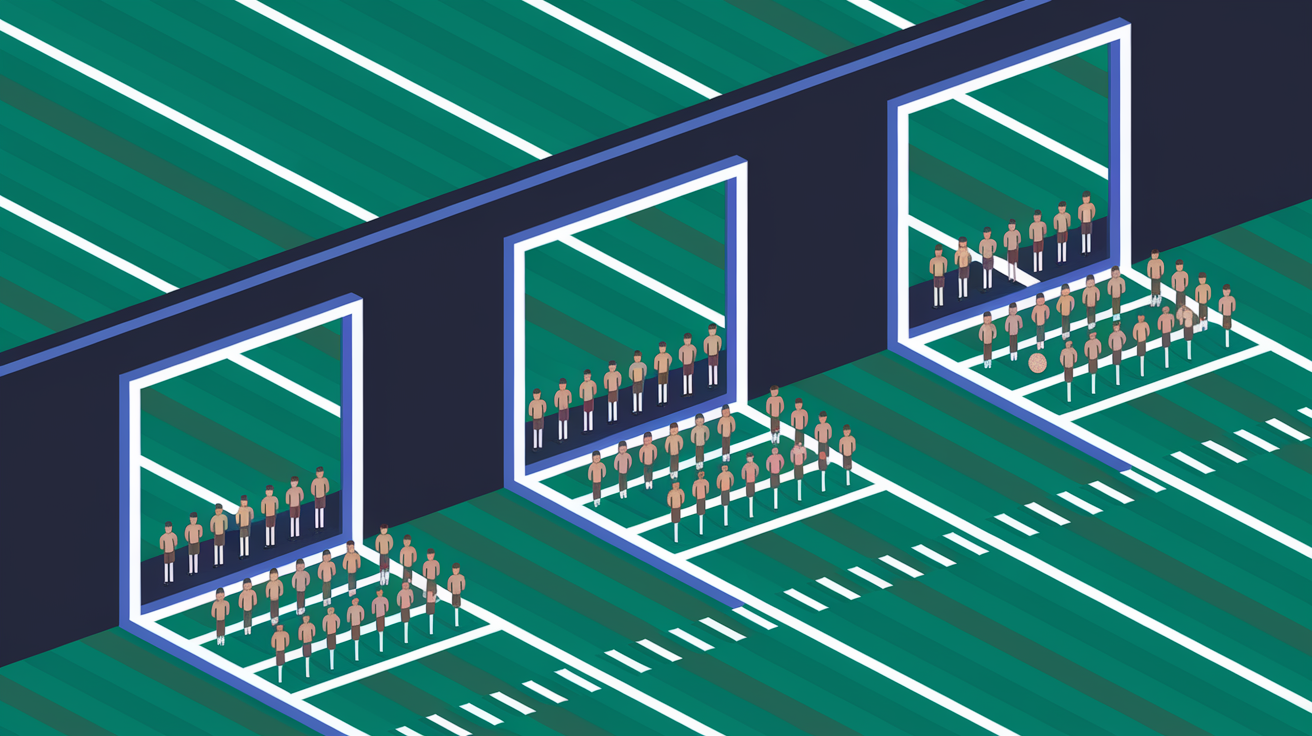
Windows are the stoppages where you’re allowed to make changes. FIFA caps you at three during regular time. But you can stack multiple subs into one window. So if you want to bring on two or three players at once, that still only burns one window.
Halftime doesn’t count as a window. Neither does the break between full time and extra time, or the halftime in extra time. You can make changes during those stretches without needing the ref’s permission and without eating into your three windows.
The whole point is preventing constant stoppages. Without the window system, teams could theoretically interrupt the game five separate times. Nobody wants that.
How it plays out:
- One sub at the 30th minute: 1 window, 1 substitution
- Two subs at the 65th minute: 1 window, 2 substitutions
- Three subs at the 75th minute: 1 window, 3 substitutions
- Changes at 20′, 55′, and 80′: all 3 windows used across 90 minutes
2024 Concussion Substitution Protocols

Concussion subs don’t touch your five regular changes. Once the ref or team medical staff spots a suspected head injury, that player can be permanently replaced without affecting your substitution count. It removes any hesitation about pulling someone off when there’s a head trauma concern.
If one team uses a concussion sub, the other side typically gets an extra substitution to avoid competitive imbalance. This “balancing” piece makes sure player safety measures don’t accidentally hand one team a tactical edge. Once someone’s pulled under the concussion protocol, they can’t come back. Even if they feel fine later.
| Type | Counts Toward Limit? | Notes |
|---|---|---|
| Regular substitution | Yes | Max 5 in regular time; uses a window |
| Concussion substitution | No | Unlimited; permanent; opponent may get extra sub |
| Extra-time substitution | Yes | 1 extra sub allowed; uses extra window |
Extra-Time Substitution Rules
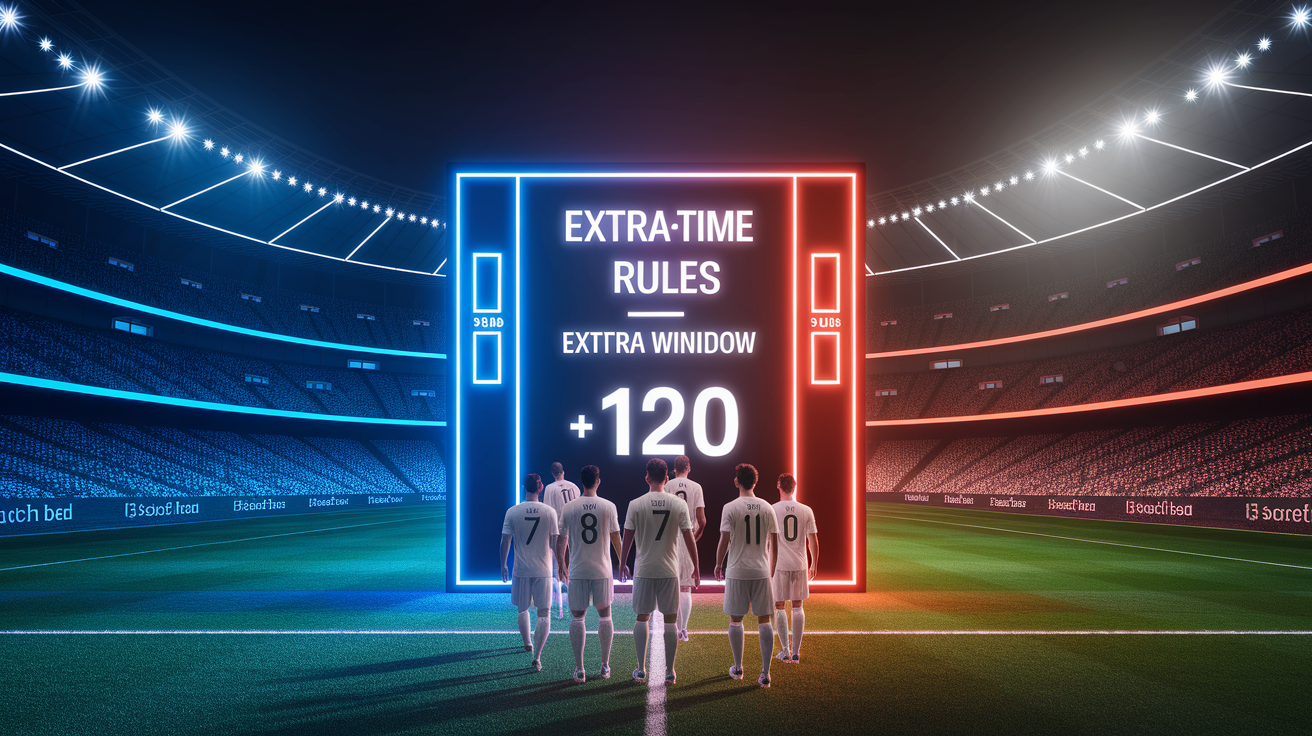
When a match reaches extra time, each team gets one more substitution beyond the five from regular time. This sixth sub can happen anytime during the 30 minutes. You also get an additional window, so you can make four stoppages total across the full match. Three in regular time, one in extra time.
If you didn’t use all five regular subs by the end of 90 minutes, those unused changes carry over. The sixth sub is just bonus capacity on top of what you’ve got left. Say you only made three subs in regular time. You’d have two regular ones remaining, plus the extra-time sub. That’s three changes available during the extra 30.
Extra-time breakdown:
- 1 more sub when the match goes to extra time
- 1 more window during extra time
- Leftover regular subs carry forward and stack with the extra-time sub
Competition-Specific Variations (World Cup, Champions League, Youth Competitions)

Most major tournaments stick to FIFA’s base setup, but there are exceptions depending on the competition and age group. The World Cup, Champions League, and big continental championships all use the five-sub, three-window model for senior matches. The 2022 World Cup in Qatar ran the standard five-sub rule through group stage and knockouts.
Youth competitions often go unlimited to prioritize development and safety. Under-17 and under-19 tournaments usually let teams rotate freely, which gives coaches room to spread minutes around without tactical penalty. Some confederations also test extended concussion protocols, like temporary subs that let you assess a player off the pitch before making a final call.
Regional leagues sometimes add small procedural tweaks. Certain domestic cups allow an extra sub if the match hits a penalty shootout. Others adjust windows during tournaments with packed schedules.
Where things differ:
- Youth tournaments (U-17, U-19): unlimited subs most of the time
- Some domestic cups: extra sub before penalty shootouts
- Confederation trials: temporary concussion assessments in select competitions
Final Words
Five subs, three regular-time windows, and a sixth in extra time — that’s the headline. Concussion substitutions sit outside those limits and can flip late-game math.
We ran through how windows work, why five became the norm, extra-time specifics, and the competition tweaks that matter to coaches and fantasy managers.
Bottom line: FIFA substitution rules 2024 explained give managers more tactical tools, boost bench value, and make late-game choices more meaningful. Worth watching as the season rolls on.
FAQ
Q: What happens if a player refuses to be substituted?
A: If a player refuses to be substituted, the referee may caution them for delaying the restart and insist they leave; persistent refusal can lead to the match being stopped and post-match disciplinary action.
Q: Are you allowed to make a substitution before a penalty?
A: A substitution before a penalty is allowed if you haven’t used all permitted substitutions (including extra-time allowances) and it’s completed with the referee’s permission before the shootout begins.
Q: Can a team make 6 substitutions?
A: A team can make six substitutions only in matches that go to extra time — FIFA allows five replacements in regular time across three substitution windows, with a sixth added for extra time.
Q: Can you substitute all 11 players at once in football?
A: You cannot substitute all 11 players at once under standard FIFA limits; multiple players can be changed in a single window, but total swaps must stay within the competition’s allowed number (usually five).